

A woman may notice that her jeans fit differently even though her meals and exercise routine look much like they did five years ago. That can make the search for menopause belly solutions, hormonal belly supplements, and perimenopause supplements for weight loss especially frustrating. The important distinction is that a changing waistline does not automatically mean that eating habits, effort, or hormones alone are responsible.
Menopause belly can reflect both a shift in where the body tends to store fat and broader midlife changes in weight and body composition. Hormones matter, but aging, declining muscle mass, sleep, activity, diet, stress, metabolic health, and genetics also contribute. Supplements cannot selectively remove abdominal fat, although some may support specific factors such as appetite, cravings, sleep, or nutrient adequacy.
Why Does Belly Fat Become More Noticeable During Perimenopause?
One reason is that menopause can change fat distribution, even without a dramatic change on the scale. As estrogen declines, women become more likely to carry fat around the abdomen rather than predominantly around the hips and thighs. The Menopause Society and Mayo Clinic both recognize increased abdominal fat as a common feature of the menopause transition.
That is different from saying menopause automatically causes overall weight gain. Aging also tends to bring gradual losses in muscle mass. Because muscle contributes to energy expenditure, less lean mass can make weight maintenance more difficult. Poor sleep may influence hunger and snacking, while changes in activity, food intake, stress, genetics, and metabolic health can further alter the equation.
This helps explain why advice to simply “eat less” can feel incomplete.
Is Menopause Belly Caused Entirely by Hormones?
No. Hormonal changes can influence where fat is stored, but they are only one part of the picture.
What many women hear is that estrogen or cortisol alone creates a “hormonal belly.” What is more accurate is that the menopause transition occurs alongside age-related and behavioral changes that can interact with one another. A night of disrupted sleep, for example, may be followed by stronger hunger, more afternoon snacking, or less energy for physical activity.
For that reason, women looking for menopause belly support benefit from considering the whole pattern rather than trying to identify one hormone as the sole culprit.
Can Supplements Specifically Burn Menopause Belly Fat?
No supplement can selectively burn fat from the abdomen. Products marketed as hormonal belly supplements should therefore be approached cautiously when they promise to “melt,” “target,” or rapidly eliminate belly fat.
The National Institutes of Health Office of Dietary Supplements notes that scientific evidence supporting many weight-loss supplements is limited. Nutrition, physical activity, sleep, muscle preservation, and appropriate medical care remain more fundamental parts of weight management.
That does not mean every supplement is irrelevant. It means its role should be defined realistically.
What Can Weight Management Supplements Realistically Support?
A supplement may address one manageable part of a much larger weight-management picture. Depending on its formulation and evidence, that could mean supporting nutrient adequacy, appetite management, cravings, sleep, or metabolic health.
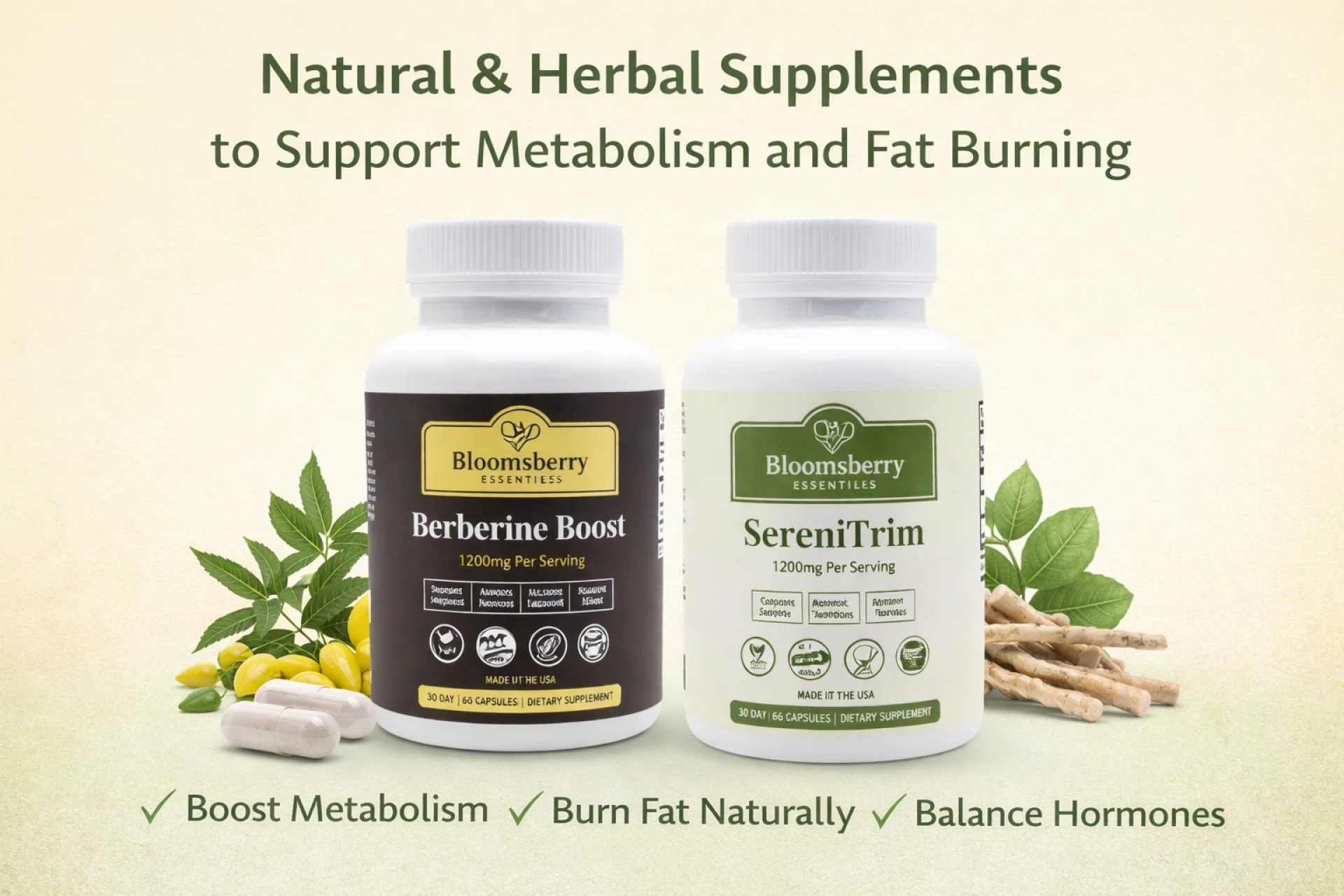
SereniTrim provides an example of this narrower approach. Bloomsberry Essentials formulates it with 1,200 mg of Caralluma fimbriata and without caffeine or other stimulants, positioning it around appetite, craving, and weight-management support during perimenopause.
Human studies have investigated Caralluma for appetite, calorie intake, waist measurements, and weight management, but results have been mixed. Importantly, research on an ingredient should not be presented as a clinical trial of the finished SereniTrim product or as proof that it reduces menopause belly fat.
For women investigating perimenopause supplements for weight loss, that distinction matters. A supplement may complement sustainable habits without replacing nutrition, movement, sleep, or individualized healthcare.
What Should Women Look for Before Choosing a Supplement?
Credible supplement evaluation starts with transparency rather than dramatic promises. Women can look for a disclosed ingredient dosage, relevant human research, clear stimulant content, manufacturing and testing information, realistic claims, and appropriate safety guidance.
Medication use and existing health conditions also matter because supplements can cause side effects or interactions. A healthcare professional can help determine whether a particular ingredient is appropriate for a specific situation.
Conclusion
A changing midsection during perimenopause is more complicated than a simple story about estrogen or willpower. Hormonal shifts may change fat distribution, while muscle loss, sleep, appetite, diet, activity, stress, genetics, and metabolic health can influence overall weight. Women searching for menopause support for hormonal belly, or perimenopause supplements for weight loss should therefore be cautious of products promising targeted fat loss. A more credible approach is to identify which part of the larger picture needs support and choose evidence-informed strategies accordingly.
Frequently Asked Questions
What causes menopause belly fat?
Menopause-related abdominal fat reflects several interacting factors. Declining estrogen can influence where fat is stored, while aging, loss of muscle mass, diet, physical activity, sleep, genetics, stress, and overall metabolic health can affect body weight and composition.
Can supplements specifically reduce belly fat during menopause?
Supplements cannot selectively remove abdominal fat. Some ingredients may be studied for appetite, nutrient status, sleep, or aspects of metabolic or weight management, but those potential roles should not be confused with targeted belly-fat reduction.
What should women look for in the best supplements for menopause belly?
Women comparing the best supplements for menopause belly should look beyond “fat-burning” language. Disclosed dosages, human evidence for individual ingredients, stimulant content, safety information, manufacturing standards, potential medication interactions, and realistic claims provide a more useful basis for evaluation.























Sign in to leave a comment.