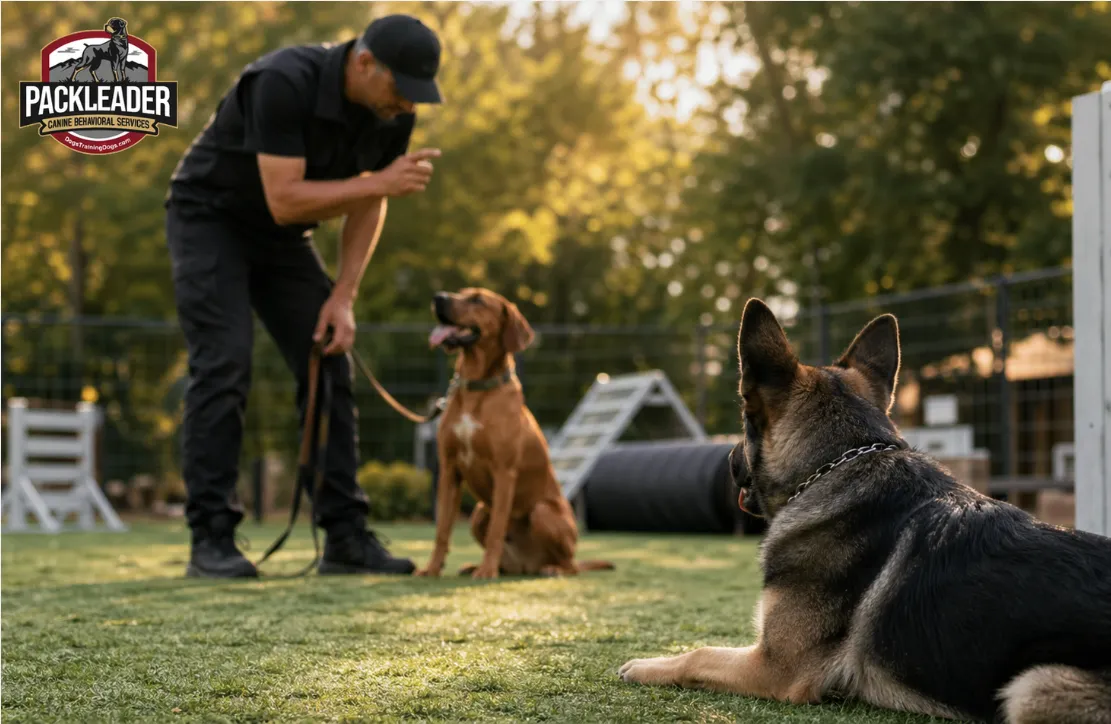

Dogs do not just learn from commands. They learn from patterns, tone, timing, and even our daily habits. Over the years, we have noticed something interesting. Many behavior issues in dogs are not random at all. They often reflect the environment around them. When we change our structure, dogs usually change with us.
This idea may sound simple, but it explains a lot. If we understand how dogs mirror behavior, we can guide them more clearly and avoid confusion.
Dogs Learn by Watching, Not Just Listening
We often focus on verbal cues like “sit” or “stay.” However, dogs pay more attention to what we do than what we say. For example, if we feel rushed or inconsistent, dogs pick up on that energy.
We have seen cases where owners repeat commands but still struggle. The issue is not the command itself. It is the lack of consistency behind it. Dogs notice patterns faster than we expect. So, if rules change often, behavior becomes unpredictable.
This is one reason why many people begin searching for dog kennel near me when routines at home feel hard to manage. A structured setting removes mixed signals and helps dogs understand expectations clearly.
Environment Shapes Behavior More Than Breed
People often blame breed traits for behavior issues. While genetics play a role, environment has a bigger impact in most cases. A calm and structured space creates calm behavior. A chaotic space can lead to confusion.
We have worked with many dogs that behaved one way at home and completely differently in a new setting. That shift is not magic. It is structure. When distractions are controlled and expectations are clear, dogs respond better.
This is also why a dog boarding kennel can help establish routine. The setting is predictable. Feeding times, exercise, and rest all follow a schedule. Over time, dogs begin to follow that rhythm naturally.
Small Habits Create Big Behavior Patterns
It is easy to overlook small habits. Letting a dog pull on the leash “just this once” or ignoring a command when we are tired might not seem like a big deal. But for a dog, repetition builds rules.
We have learned that dogs do not see exceptions the way humans do. If something is allowed once, it might be expected again. That is how mixed behavior starts.
So, we focus on small wins. Clear commands. Follow-through. Consistent timing. These things may seem basic, but they build a strong foundation over time.
Understanding Dogs with Behavior Challenges
Not all behavior issues look the same. Some dogs bark excessively. Others ignore commands or react quickly to new situations. These are often signs of confusion or lack of clarity.
When working with dogs with behavior problems, we focus on understanding the “why” behind the behavior. It is rarely about stubbornness. More often, it is about unclear communication or inconsistent structure.
We take a step-by-step approach. First, we identify triggers. Then, we create a plan that introduces clear expectations. Over time, dogs begin to respond more reliably.
The Role of Daily Structure
Structure does not mean strict control. It means predictability. Dogs thrive when they know what comes next. Feeding at the same time, walking on a schedule, and practicing commands regularly all help.
Without structure, dogs may feel unsure. That uncertainty can lead to unwanted behaviors. With structure, they feel guided.
We have seen how even small adjustments can make a big difference. A consistent routine builds confidence and improves focus.
Social Learning Through Group Settings
Dogs are social learners. They watch other dogs and copy behavior. This can be helpful when done in a controlled way.
A well-managed group environment allows dogs to learn appropriate behavior through observation. However, not all group settings provide this structure.
That is why many owners look for the best dog daycare option. A structured daycare includes guidance, not just free play. Dogs learn how to interact, when to settle, and how to respond to direction.
This kind of environment helps reinforce good habits while reducing confusion.
Why Pack Dynamics Matter
Dogs naturally understand group dynamics. In a structured pack setting, they learn boundaries and communication through interaction.
This is where pack training for dogs becomes valuable. Instead of focusing on one dog in isolation, this method uses group learning to build better behavior.
We have observed that dogs often progress faster in these settings. They see other dogs following rules and begin to mirror those actions. It creates a natural learning process that feels less forced.
The Importance of Clear Communication
Dogs do not speak our language, but they understand patterns. Tone, body language, and timing all matter.
We always emphasize clarity. A command should mean the same thing every time. If “sit” sometimes leads to a reward and other times does not, confusion builds.
Clear communication removes guesswork. It helps dogs respond with confidence instead of hesitation.
Transitioning Skills Back Home
Training in a structured setting is only part of the process. The real challenge is maintaining that behavior at home.
We recommend keeping routines consistent after any training program. Use the same commands. Follow the same timing. Reinforce the same behaviors.
Even small changes can affect progress. So, it helps to stay consistent and patient.
Common Mistakes We Often See
Some patterns tend to slow progress. Recognizing them early can make a big difference.
One common issue is inconsistency. Changing rules or expectations too often confuses dogs. Another is skipping reinforcement. Even trained dogs need reminders.
We also see cases where too much freedom is given too soon. Gradual exposure works better. It allows dogs to adjust without feeling overwhelmed.
Building Better Habits Over Time
Behavior change does not happen overnight. It is built through repetition and consistency.
We focus on creating habits that last. Simple routines, clear communication, and structured environments all play a role.
Over time, dogs begin to respond more naturally. They understand expectations and follow them with less hesitation.
Final Thoughts
Dogs reflect the world around them more than we often realize. Their behavior is shaped by patterns, routines, and the clarity we provide.
When we stay consistent, dogs become more predictable. When we create structure, they respond with confidence.
We have seen how small changes lead to meaningful progress. It is not about quick fixes. It is about building habits that guide behavior every day.
By understanding how dogs learn and adapt, we can create an environment where they succeed without confusion.





























Sign in to leave a comment.