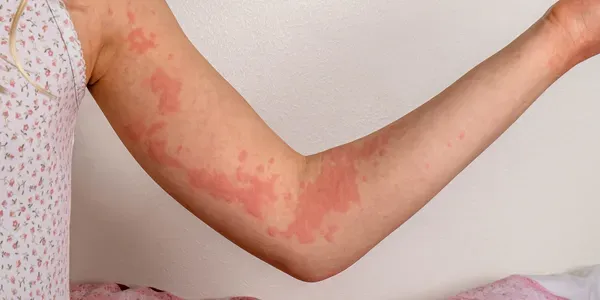
It usually starts unexpectedly. Maybe you begin a new medication for an infection, allergies, or pain relief, and within a few days, your skin starts reacting. At first, it may seem minor. A little redness on the arms. Tiny bumps around the neck. Then suddenly the itching spreads, the rash becomes more noticeable, and discomfort follows you through the entire day.
That’s often how Drug Allergies and Rashes appear. Your skin reacts quickly when something inside the body triggers an immune response, and ignoring those early warning signs can sometimes make the situation worse.
Skin reactions linked to medications vary from mild irritation to severe inflammation. Understanding the symptoms early and seeking professional dermatological care can help prevent complications while protecting your overall skin health.
How Medications Trigger Skin Reactions
Your immune system works constantly to protect your body. Sometimes, though, it mistakenly identifies certain medications as harmful substances. When that happens, your body reacts through visible skin changes.
Common medication-related skin reactions may include:
- Red patches
- Itchy bumps
- Hives
- Swelling
- Peeling skin
- Burning sensations
- Dry or flaky areas
Some reactions develop within hours, while others appear several days after starting medication. That delay often confuses people because they may not immediately connect the rash to the medicine they recently started taking. This is why professional evaluation matters so much.
Early Signs Of Drug Allergies and Rashes
One of the biggest mistakes people make is assuming a rash will simply disappear on its own. Sometimes it does. Other times, symptoms continue spreading quietly beneath the surface. There are certain signs you shouldn’t ignore.
Sudden Itching After Medication Use
Persistent itching shortly after taking a new medication may indicate an allergic response beginning to develop.
Skin That Feels Warm Or Inflamed
Inflammation often appears before the rash fully spreads across larger areas of the body.
Facial Or Lip Swelling
Swelling around the face can signal a more serious allergic reaction requiring immediate medical attention.
Worsening Rash Over Several Days
If symptoms continue expanding instead of improving, professional care becomes especially important. Proper diagnosis helps determine whether the issue involves a mild sensitivity, allergic reaction, eczema flare-up, or another skin condition entirely.
Why Professional Skin Evaluation Matters
Skin conditions can sometimes look surprisingly similar. A rash caused by medication may resemble eczema, psoriasis, fungal infections, or even viral conditions. That’s why experienced dermatological evaluation becomes essential.
Modern advance dermatology clinics use detailed examinations, patient history reviews, and advanced diagnostic methods to identify the exact source of skin irritation. Instead of guessing, you receive a clearer understanding of what your skin is reacting to. This kind of specialized care also helps reduce the risk of recurring reactions in the future.
Many patients don’t realize how important documentation becomes after experiencing medication allergies. Identifying the exact trigger can help protect you during future treatments or medical procedures.
Skin Health Goes Beyond Cosmetic Concerns
People often think dermatology only focuses on cosmetic procedures or acne treatments. In reality, skin health connects closely to your overall well-being.
Professional dermatology practices today address a wide range of medical skin concerns, including:
- Drug-related skin reactions
- Chronic eczema
- Psoriasis
- Skin infections
- Rosacea
- Mole evaluations
- Skin cancer screenings
Some clinics also provide advanced treatment options for conditions like SRT Skin Cancer, which uses non-surgical superficial radiation therapy for certain skin cancer cases. Modern dermatology continues expanding beyond traditional skin care to include highly specialized medical treatments.
That broader approach allows patients to receive more complete care under one roof.
Managing Recovery The Right Way
Once a medication-related rash develops, proper recovery becomes important. Scratching irritated skin or using random over-the-counter products may actually increase inflammation.
Dermatologists typically focus on calming the immune response while protecting damaged skin barriers. Depending on severity, treatment plans may include:
Medication Adjustments
The triggering medication may need to be stopped or replaced safely under medical guidance.
Topical Treatments
Prescription creams help reduce itching, redness, and irritation while supporting healing.
Allergy Documentation
Identifying and recording the allergy helps prevent repeat reactions later.
Long-Term Skin Monitoring
Severe reactions sometimes require follow-up care to ensure the skin heals completely. The goal isn’t only symptom relief. It’s protecting your skin from further damage while helping your body recover properly.
Why Prompt Attention Protects Your Health
Some people wait too long before seeing a specialist because the rash doesn’t seem serious enough. Unfortunately, allergic skin reactions can escalate faster than expected.
A professional dermatology evaluation helps you avoid unnecessary discomfort and reduces the risk of complications. It also gives you peace of mind, which honestly makes a huge difference when your skin suddenly changes in ways you don’t fully understand.
Conclusion
Recognizing the signs of Drug Allergies and Rashes early can help you avoid worsening symptoms and protect your long-term skin health. Even mild reactions deserve proper attention because skin irritation often signals deeper immune responses happening inside the body.
With support from experienced professionals of Advance Dermatology, you can receive accurate diagnosis, personalized treatment, and ongoing skin care guidance tailored to your condition. Whether you need treatment for allergic skin reactions, chronic irritation, or specialized care, professional dermatological support helps your skin heal safely and confidently.


























Sign in to leave a comment.