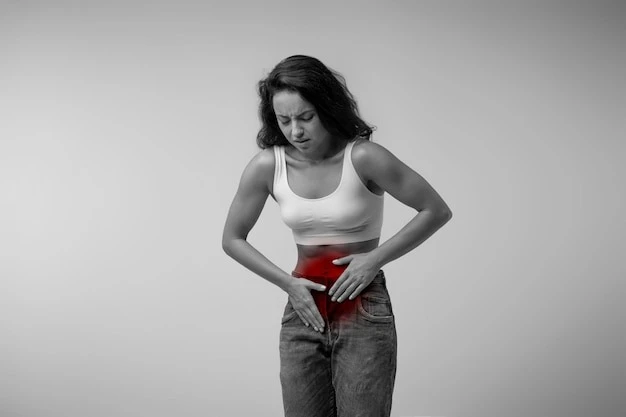

Winter slows everything down. Days grow shorter, movement becomes limited, and the body naturally seeks warmth. For people living with endometriosis, however, winter often brings more than just chilly mornings. Many experience deeper pelvic pain, heavier cramps, and persistent fatigue. Doctors providing endometriosis treatment in Delhi consistently observe this seasonal pattern. During an Ayurvedic doctor online consultation, patients frequently describe winter as the hardest time of the year to manage symptoms.
This pattern has real biological explanations. Seasonal pain changes do not come from imagination or habit. They arise from how cold weather interacts with muscles, circulation, hormones, and the nervous system. Understanding this connection allows patients to choose smarter endometriosis treatment options and protect their quality of life.
How Endometriosis Pain Develops in the Body
Endometriosis occurs when tissue similar to the uterine lining grows outside the uterus. These growths respond to monthly hormonal changes but cannot exit the body. As a result, inflammation builds up in surrounding tissues, nerves, and organs.
Medical sources such as the World Health Organization and Mayo Clinic confirm that endometriosis affects millions of women worldwide and presents differently in each case. Pain may appear during menstruation, physical activity, digestion, or even at rest. This complexity explains why endometriosis therapy must focus on long-term management rather than quick symptom suppression.
Also Read: Reproductive Health Clinics for Men in Delhi NCR: Facilities, Treatments, and Success Stories
The Scientific Reasons Winter Intensifies Endometriosis Pain
Cold weather directly affects muscle behavior. When temperatures drop, muscles naturally contract to preserve body heat. In the pelvic region, this contraction increases pressure around already inflamed endometrial tissue. Tight pelvic muscles restrict movement and intensify pain signals sent to the brain.
Winter also affects blood flow. Cooler temperatures narrow blood vessels, reducing circulation in the lower abdomen. Reduced blood flow slows tissue healing and increases sensitivity to pain. Medical guidance from the Cleveland Clinic supports the idea that warmth improves circulation and helps calm muscle-related pain.
Sunlight exposure also declines during winter. Lower sunlight reduces vitamin D production in the body. Research published in peer-reviewed medical journals suggests that vitamin D plays a role in regulating inflammation and nerve sensitivity. While deficiency does not cause endometriosis, it can heighten pain perception.
Lifestyle shifts matter too. Winter often brings longer sitting hours, reduced exercise, disrupted sleep, and increased stress. Each of these factors alone can increase pain. Together, they create the perfect environment for winter flare-ups, making endometriosis pain management more challenging.
Clinical Treatment Approaches During Winter
Medical treatment remains essential for managing moderate to severe symptoms. Gynecologists often recommend hormonal therapies to reduce the activity of endometrial tissue. Pain-relief medications may help control inflammation during intense episodes.
Patients seeking specialized endometriosis treatment in Delhi benefit from access to experienced gynecologists, advanced imaging, and minimally invasive surgical options when necessary. Leading hospitals follow evidence-based guidelines established by organizations such as the NHS and the American College of Obstetricians and Gynecologists. Consulting a specialist becomes especially important when pain interferes with daily activities or worsens rapidly during winter.
Also Read: How Ayurvedic Treatment for PCOD Balances Hormones Naturally: A Complete Guide
Supporting Pain Relief Through Lifestyle and Natural Care
Heat therapy offers one of the most reliable forms of relief during cold months. Warm baths, heating pads, and hot water bottles relax pelvic muscles and improve blood flow. Doctors frequently recommend heat as a supportive method because it is safe and effective.
Gentle movement remains equally important. Even light stretching or short walks help prevent stiffness and maintain circulation. Studies in physiotherapy and pain research journals show that consistent low-impact movement reduces chronic pelvic pain and improves mobility.
Diet also plays a supporting role. A balanced intake of whole foods, vegetables, healthy fats, and adequate fluids supports the body’s inflammatory response. While food does not replace medical care, it aligns with evidence-based natural treatment for endometriosis strategies aimed at overall wellness rather than unproven cures.
Ayurvedic Understanding of Seasonal Pain Changes
Ayurveda views winter as a season that increases Vata dosha, which governs nerve function and movement. When Vata becomes excessive, pain, stiffness, and dryness increase throughout the body.
An ayurvedic treatment for endometriosis focuses on restoring warmth, supporting digestion, and maintaining daily routine. Herbal formulations, dietary adjustments, and stress management form the foundation of this approach. Many patients explore this option through an Ayurvedic doctor online consultation, especially when winter travel feels difficult.
Ayurvedic care works best when used alongside modern medical treatment. Reputed practitioners emphasize balance and safety rather than replacing conventional care.
Stress, Sleep, and the Nervous System Connection
Chronic pain interacts closely with the nervous system. Stress heightens pain sensitivity, while poor sleep reduces the body’s ability to regulate inflammation. Winter often disrupts sleep cycles and increases mental fatigue, which can make pain feel stronger.
Psychological research from organizations like the American Psychological Association confirms that managing stress improves pain outcomes. Simple practices such as structured routines, breathing exercises, and adequate rest help calm the nervous system and reduce pain intensity.
Also Read: Real Stories: Women Who Found Relief at Leading Endometriosis Hospitals in Delhi
When to Seek Specialized Care
Pain that worsens, becomes persistent, or limits daily function requires professional attention. Early evaluation prevents complications and supports long-term health. Many reproductive health centers now offer integrated care models.
Clinics associated with services like the best doctor for male infertility in Delhi NCR often function within comprehensive reproductive health networks. These centers coordinate care among gynecologists, pain specialists, and fertility experts. Collaboration improves outcomes for individuals and couples managing multiple reproductive concerns. The best doctor for male infertility in Delhi NCR frequently works alongside women’s health specialists, ensuring holistic treatment planning.
Creating a Winter-Focused Management Plan
Managing endometriosis during winter requires consistency and awareness. Staying warm, maintaining gentle movement, following medical advice, and using supportive therapies together build resilience against seasonal flare-ups.
Whether through hospital-based care, nutrition adjustments, or an Ayurvedic doctor online consultation, long-term planning matters more than temporary fixes. Winter may increase discomfort, but informed care keeps symptoms under control.
Final Thoughts
Endometriosis pain often worsens in winter due to real physiological and lifestyle factors. Cold temperatures, reduced circulation, lower sunlight exposure, and stress all contribute to seasonal flare-ups. The condition demands informed management, not resignation.
With credible endometriosis treatment options, supportive therapies, and trusted professional guidance, patients can maintain comfort and stability throughout winter. The season may be cold, but with the right plan, pain does not have to take control.
Sign in to leave a comment.