
A car rarely goes from running perfectly to experiencing a major engine failure without giving you some clues along the way. Maybe the temperature gauge climbs higher than usual while you're sitting in traffic, the engine starts running rough on your morning commute, or you notice that the coolant level keeps dropping even though there is no obvious puddle beneath your vehicle. These small changes are easy to dismiss when you're busy, but they can point to problems that deserve attention.
For Baltimore drivers, engine trouble can quickly disrupt everyday life. Between stop-and-go traffic on I-95, busy streets around downtown, and changing temperatures throughout the year, your vehicle needs dependable performance. Recognizing early warning signs and understanding services such as Cylinder head resurfacing can help you make informed decisions before a manageable issue becomes an expensive repair.
Why Small Engine Warning Signs Matter
Your engine relies on several components working together under intense heat and pressure. When a part begins to fail, the symptoms may be subtle at first, but continued driving under the wrong conditions can cause additional damage.
The cylinder head sits above the engine block and contains important components such as valves and passages for coolant and oil. Together with the head gasket, it helps seal the combustion chambers and maintain the separation of fluids and gases.
If the engine overheats, the cylinder head may warp or develop other damage. When its sealing surface is no longer sufficiently flat, the head gasket may struggle to maintain a proper seal.
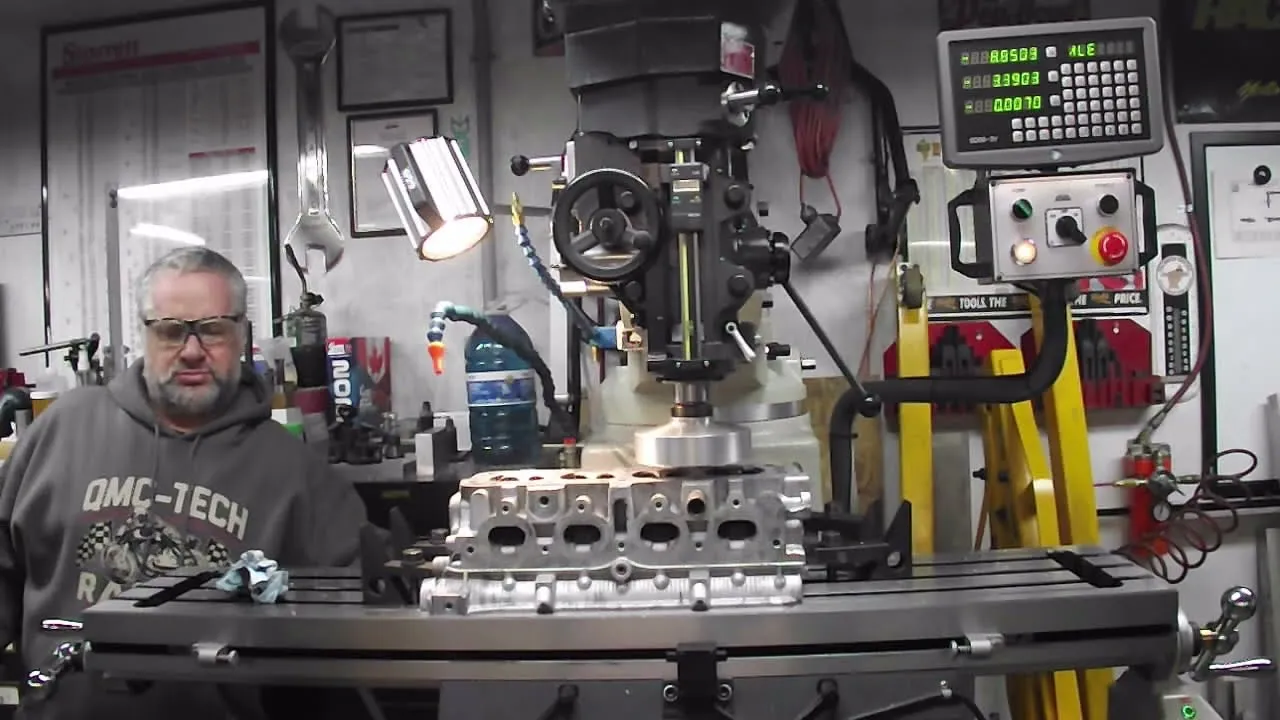
Resurfacing involves carefully machining the cylinder head's mating surface to restore the required finish and flatness, provided the part remains within the manufacturer's specifications. It is not necessary for every engine problem, and a proper diagnosis should come before any machining work.
Real Engine Problems Baltimore Drivers Shouldn't Ignore
1. Your Temperature Gauge Keeps Climbing
Baltimore summers can bring hot, humid weather, and heavy traffic can make a cooling-system problem more noticeable. If your temperature gauge repeatedly rises above its normal range, the cooling system may not be removing heat effectively.
Possible causes include low coolant, a leaking hose, a faulty thermostat, a damaged radiator, or a failing water pump. In some cases, a leaking head gasket can also contribute to overheating.
Never assume the problem will disappear after the engine cools down. Repeated overheating can cause cylinder-head distortion and other serious engine damage.
2. Coolant Disappears Without an Obvious Leak
Checking coolant and discovering that the reservoir is low can be frustrating, especially when you cannot find a leak under the car. Coolant may escape through an external leak, but certain engine problems can allow it to enter the combustion chamber or mix with engine oil.
Other warning signs may include persistent white exhaust vapor after the engine is fully warm, unexplained coolant loss, or bubbles in the cooling system. These symptoms do not automatically prove that the head gasket has failed, so testing is essential.
If you keep topping off the reservoir without identifying the cause, you may be allowing a serious issue to progress.
3. Your Engine Runs Rough or Loses Power
An engine that shakes at idle, hesitates during acceleration, or struggles to maintain power may have an ignition, fuel-delivery, sensor, compression, or mechanical problem. A damaged head gasket or cylinder-head issue is one possibility, but it is far from the only explanation.
Drivers traveling through neighborhoods such as Federal Hill or Mount Vernon may notice these symptoms while waiting at traffic lights or pulling away from a stop. If the behavior is new or persistent, arrange a diagnostic inspection rather than replacing parts based on guesswork.
How Cylinder Head Damage Develops
What Happens During Engine Overheating?
An engine produces considerable heat, and its cooling system is designed to keep temperatures within a controlled range. When coolant circulation becomes inadequate or heat cannot escape properly, metal components expand beyond their normal operating conditions.
Because different engine components heat and expand at different rates, severe overheating can distort the cylinder head. An uneven mating surface may prevent the head gasket from sealing correctly, allowing combustion gases, coolant, or oil to travel where they should not.
Not every overheating incident damages the cylinder head, but repeated or severe overheating increases the risk. Continuing to drive while the temperature warning is active can turn a cooling-system repair into a much larger engine job.
Why the Head Gasket and Cylinder Head Must Be Checked Together
The head gasket creates a seal between the cylinder head and the engine block. If the gasket fails, the underlying cause must be identified instead of simply installing a replacement gasket and hoping the problem stays away.
A qualified technician may check compression, perform a leak-down test, inspect the coolant for combustion gases, and examine the engine for external leaks. Once the cylinder head is removed, it may require pressure testing and measurements to determine whether it is warped, cracked, or otherwise unsuitable for reuse.
These checks help establish whether resurfacing is appropriate, whether another repair is needed, or whether the damage is too extensive for machining.
When Professional Resurfacing May Be Necessary
Cylinder head resurfacing Near Me is a useful search phrase for drivers who have been told their engine may have a damaged cylinder-head sealing surface. However, choosing a repair based on a search result alone is not enough; the condition of the cylinder head and the engine manufacturer's specifications must guide the decision.
Resurfacing may be recommended when measurements show that the mating surface is uneven but can be machined safely. The technician must account for the engine design, the specified surface finish, and the minimum allowable cylinder-head height.
Removing too much material can change important engine dimensions and potentially affect compression, valve timing relationships, or other clearances. Some cylinder heads cannot be resurfaced because they are cracked, severely damaged, or already below the permitted thickness.
For Baltimore vehicle owners, Cylinder head resurfacing Baltimore MD searches may help identify local repair options. Before authorizing the work, ask how the shop will confirm the head's condition and whether the proposed repair meets the manufacturer's requirements.
Practical Steps to Protect Your Engine
You cannot prevent every mechanical failure, but a few habits can reduce the risk of avoidable damage.
Step 1: Watch Your Temperature Gauge
Make a habit of glancing at the temperature gauge during your drive. If the engine begins overheating, pull over somewhere safe and shut it off as soon as you can.
Do not open the radiator cap or a pressurized coolant reservoir while the engine is hot. Escaping steam or coolant can cause severe burns, so allow the system to cool and seek professional assistance.
Step 2: Check Coolant Levels Regularly
When the engine is completely cool, inspect the coolant reservoir and follow the level markings in your owner's manual. Look for visible leaks, damaged hoses, or dried coolant residue around accessible connections.
A reservoir that repeatedly needs topping up deserves investigation. Avoid mixing incompatible coolant types, and never treat adding fluid as a permanent solution to an unexplained loss.
Step 3: Keep Up With Oil Changes
Engine oil lubricates moving parts and helps manage heat. Old, incorrect, or insufficient oil can contribute to wear and make existing engine problems worse.
Follow the manufacturer's recommended oil grade and service intervals. If the oil looks milky, the coolant appears contaminated, or either fluid level changes unexpectedly, arrange an inspection rather than assuming a routine oil change will resolve the issue.
Step 4: Respond to Warning Lights and Unusual Symptoms
A flashing check-engine light, significant loss of power, severe engine shaking, or an overheating warning should never be ignored. Continuing to drive may cause further damage, depending on the fault.
Record when the symptom occurs, whether the engine is cold or warm, and whether you notice any fluid loss or unusual exhaust. These details can help a technician diagnose the problem more efficiently.
Step 5: Get a Proper Diagnosis Before Approving Repairs
At Vince's Auto Repair, drivers can discuss engine-performance concerns and seek guidance on the appropriate next steps. A sound repair process starts by understanding the symptoms and determining which tests are needed before recommending major work.
When cylinder-head damage is suspected, the diagnosis should establish whether the issue involves the cooling system, head gasket, cylinder head, or another component. If machining is being considered, ask about measurements, pressure testing, material limits, and any related repairs needed to address the original cause.
What to Ask Before Authorizing Engine Repairs
Cylinder-head work can involve substantial labor because the cylinder head generally must be removed from the engine. Understanding the proposed repair helps you compare options and avoid paying for unnecessary work.
Before approving a repair, ask the shop:
- What caused the problem? Request an explanation of the diagnostic findings rather than a recommendation based on symptoms alone.
- Does the cylinder head need resurfacing? Ask which measurements or inspection results support the recommendation.
- Has the head been checked for cracks? Depending on its condition and construction, pressure testing or other inspections may be necessary.
- Will the head remain within specifications? Confirm that the proposed machining is permitted for your specific engine.
- What is included in the estimate? Clarify labor, machining, gaskets, fluids, replacement components, and any additional work that may be required.
- What warranty applies? Ask for the terms covering the completed repair and any parts supplied.
Clear communication matters just as much as technical skill. A trustworthy repair shop should explain the findings, discuss available options, provide an estimate before proceeding, and contact you if unexpected damage changes the scope of work.
Frequently Asked Questions
Q 1. What is cylinder head resurfacing?
Ans: It is a machining process that restores the flatness and required surface finish of a cylinder head's mating surface when the part is suitable for machining. It is often considered when overheating or other damage affects the head gasket's sealing surface.
Q 2. What are the signs of a damaged cylinder head?
Ans: Possible signs include repeated overheating, unexplained coolant loss, persistent white exhaust vapor, engine misfires, or coolant and oil mixing. These symptoms can have other causes, so professional testing is needed.
Q 3. Can I drive with a warped cylinder head?
Ans: Continuing to drive can worsen engine damage, especially if the vehicle is overheating or losing coolant. Stop in a safe place if serious symptoms occur and arrange professional assistance.
Q 4. Does every blown head gasket require resurfacing?
Ans: No. The cylinder head must be inspected and measured to determine whether resurfacing is necessary and permitted. Some heads may be reusable without machining, while cracked or excessively damaged heads may require replacement.
Q 5. How much does cylinder head resurfacing cost?
Ans: The cost depends on the engine design, machining requirements, inspection results, and related labor. Ask for an itemized estimate that identifies machining charges and any additional repairs needed.
Q 6. How can I prevent cylinder-head damage?
Ans: Maintain the cooling system, monitor coolant levels, follow oil-change intervals, and respond promptly to overheating warnings. These steps reduce risk but cannot guarantee that cylinder-head problems will never occur.
Take Small Warning Signs Seriously
Engine problems often begin with changes that seem easy to overlook: a rising temperature gauge, a rough idle, or coolant that keeps disappearing. Paying attention to these clues can help you address the cause before the damage becomes more extensive.
For Baltimore drivers, timely diagnosis is especially valuable when a dependable vehicle is essential for work, family responsibilities, and everyday travel. If you suspect a head-gasket or cylinder-head problem, arrange an inspection and ask for a clear explanation of the findings before approving major repairs.
Contact Vince's Auto Repair to discuss your engine concerns and the appropriate next steps. With a careful diagnosis and, when necessary, properly evaluated Cylinder head resurfacing, you can make a more informed decision about protecting your vehicle and getting back on the road with greater confidence.




















Sign in to leave a comment.