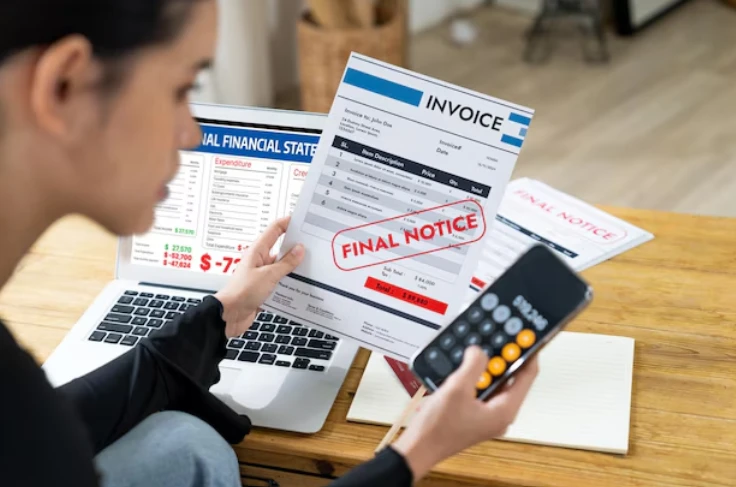
India’s GST compliance landscape has evolved rapidly with the introduction of E-invoice and the E-way bill system. While these systems were designed to simplify taxation and improve transparency, many businesses still struggle to keep E-invoice data and E-way bills perfectly aligned. Manual processes, disconnected tools and last-minute data corrections often lead to errors, penalties and operational stress.
This is where ERP becomes a backbone rather than just a support system. A well-implemented ERP ensures seamless syncing between the E-invoice system and the E-way bill portal, reducing compliance risks and saving time. In this blog, we will explore why ERP is important for syncing E-invoice data with E-way bills and how it transforms compliance into a smooth, automated process.
Understanding the link between E-Invoice and E-Way bill system

The E-invoice and E-way bill are closely connected under GST rules. In most cases, data entered into the E-invoice portal directly impacts the information required to E-way bill generate. Any mismatch between the two can result in rejection, delays in shipment or penalties during transit checks.
Without ERP, businesses often manage E-invoicing and E-way bills using separate tools or manual uploads. This creates duplication of work and increases the risk of data inconsistencies. For example, a minor error in invoice value or transporter details can cause the E-invoice E-way bill linkage to fail.
An ERP system acts as a single source of truth. It ensures that once an E-invoice bill is generated, the same validated data flows automatically into the E-way bill system. This tight integration eliminates re-entry and ensures compliance accuracy.
Key benefits of linking both systems through ERP include:
- Consistent data across invoices and transport documents
- Faster generation of E-way bills
- Reduced human errors and manual effort
Challenges of manual syncing without ERP
Many organizations still rely on spreadsheets or standalone compliance tools for managing the E-billing system. While this may work at low volumes, it quickly becomes unmanageable as transaction volumes grow.
Manual syncing creates delays in shipment planning. Teams must log into the E-invoice portal, download data, then re-enter or upload it again on the E-way bill portal. This repetitive process not only wastes time but also increases dependency on individuals.
Another major challenge is audit readiness. When data is scattered across systems, tracking changes or explaining mismatches during GST audits becomes difficult. Errors in E-invoice E-way bill mapping can lead to notices and compliance complications.
ERP solves these issues by automating data flow and maintaining complete records. With centralized control, businesses gain visibility and confidence in their GST compliance process.
How ERP automates E-Invoice to E-Way bill generate process

ERP plays an important role in automating the journey from invoice creation to goods movement. When an invoice is created in ERP, it can directly integrate with the E-invoice system to generate IRNs and QR codes in real time.
Once the E-invoice is validated, ERP uses the same data to trigger the E-way bill generate process. Transporter details, distance and vehicle numbers can be updated within the ERP itself, which then syncs with the E-way bill portal.
This automation ensures:
- No duplicate data entry
- Faster dispatch cycles
- Accurate compliance reporting
For manufacturing businesses with high dispatch volumes, this automation is not optional. ERP for manufacturing industry ensures production, billing and logistics teams work on the same data set, reducing operational friction.
Role of manufacturing ERP software in compliance accuracy
In the manufacturing ERP software environment, compliance is deeply tied to operational data. Production batches, stock movement and dispatch schedules all impact invoice and transport documentation.
An ERP designed for manufacturing captures data at every stage. This ensures that quantities, values and tax details used in E-invoice bill creation are accurate and consistent with physical stock movement.
With ERP, manufacturers can:
- Track invoice-to-dispatch mapping in real time
- Avoid mismatches between stock records and E-way bill data
- Generate reports aligned with GST requirements
This level of integration is difficult to achieve with standalone tools. ERP ensures that compliance is embedded into daily operations rather than treated as a separate task.
ERP solutions for seamless portal integration

Modern ERP Solutions are built with APIs that directly connect to the E-invoice portal and E-way bill portal. This real-time connectivity ensures that updates, cancellations or modifications are reflected instantly across systems.
For example, if an invoice is canceled or amended, ERP automatically updates both the E-invoice system and the E-way bill system. This prevents compliance gaps and ensures accurate documentation during transit.
ERP also supports role-based access and approval workflows. This means sensitive compliance actions are controlled, audited and traceable.
Some common ERP-driven advantages include:
- One-click generation of E-invoice and E-way bill
- Centralized compliance dashboards
- Reduced dependency on external portals
Importance of ERP customization for business-specific needs
Not all businesses follow the same compliance workflows. This is where ERP Customization becomes critical. A flexible ERP can adapt to industry-specific rules, internal approval processes and unique logistics models.
For example, some businesses may generate E-invoices centrally but create E-way bills at branch locations. ERP customization allows these workflows while still maintaining data consistency across the E-billing system.
Customization also helps in:
- Automating transporter updates
- Handling multi-location GST registrations
- Aligning ERP reports with GST audit formats
By tailoring ERP to business needs, companies can achieve both compliance and operational efficiency without compromise.
Future-proofing compliance with ERP
GST regulations continue to evolve. Thresholds change, formats update and new validations are introduced on the E-invoice system and E-way bill system. Businesses relying on manual or rigid tools often struggle to adapt quickly.
ERP provides scalability and flexibility. Updates can be rolled out centrally, ensuring compliance without disrupting operations. This makes ERP a long-term investment rather than a short-term fix.
As transaction volumes grow, ERP ensures that compliance processes remain stable, accurate and fast. This future-ready approach is essential for growing manufacturing and distribution businesses.
How TheERPHub helps you stay compliant and efficient
Syncing E-invoice data with the E-way bill process is no longer just a compliance requirement. It is a business necessity. Without ERP, the risk of errors, delays and penalties increases significantly. With ERP, compliance becomes automated, accurate and stress-free.
At TheERPHub, we help businesses choose the right ERP solutions customized to their industry and compliance needs. Whether you are looking for manufacturing ERP software, seamless E-invoicing integration or ERP customization, our platform connects you with trusted experts and proven systems.
If you want to simplify GST compliance and ensure smooth syncing between the E-invoice portal and E-way bill portal, contact us today. Take the next step toward smarter compliance and stronger business control.









Sign in to leave a comment.