
A basement can add valuable living space and storage to your home, but it can also become one of the most vulnerable areas during heavy rainfall. Water intrusion doesn't just damage flooring and walls—it can lead to mold growth, structural issues, damaged belongings, and expensive repairs.
One of the most effective ways to protect your home from basement flooding is with a properly installed and well-maintained sump pump. While many homeowners don't think about their sump pump until it stops working, this essential piece of equipment serves as the first line of defense against excess groundwater.
For homeowners in Dayton, where seasonal storms and periods of heavy rain can increase the risk of water accumulation, investing in a dependable sump pump system is a smart step toward protecting your property and avoiding costly water damage.
What Is a Sump Pump?
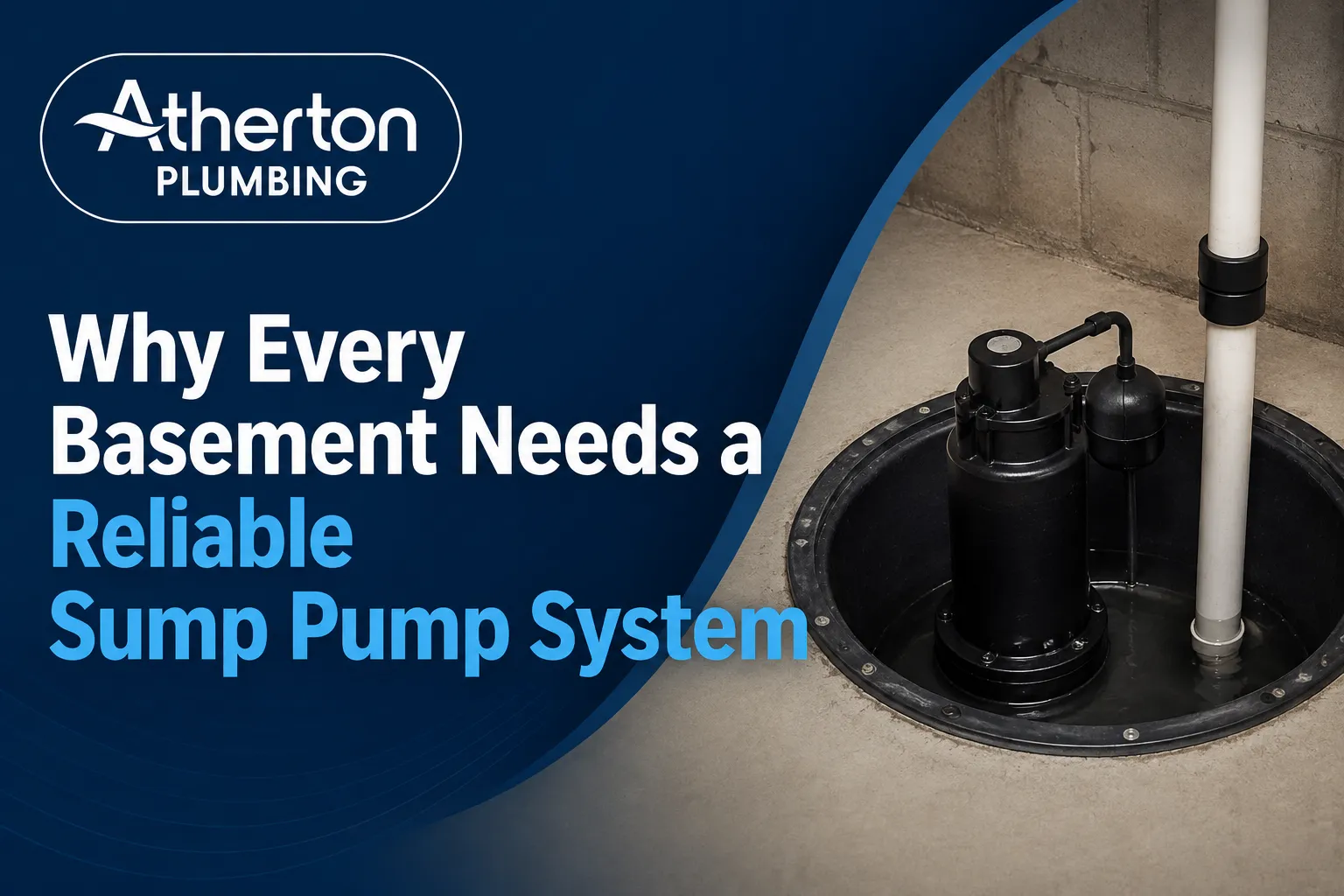
A sump pump is a specialized plumbing device installed in the lowest part of a basement or crawl space. Its primary job is to collect excess groundwater in a sump basin and pump it safely away from your home's foundation.
Instead of allowing water to collect inside your basement, the sump pump automatically activates when water reaches a certain level, helping keep your home dry even during periods of heavy rainfall.
Modern sump pump systems are designed to operate efficiently with minimal homeowner intervention, making them an important part of a comprehensive home drainage system.
How a Sump Pump Protects Your Home
Although it operates out of sight, a sump pump provides continuous protection against water damage.
A properly functioning system helps:
- Prevent basement flooding
- Protect your home's foundation
- Reduce mold and mildew growth
- Safeguard stored belongings
- Improve indoor air quality
- Prevent moisture-related structural damage
- Increase homeowner peace of mind
Without a working sump pump, even a single storm can result in significant cleanup and repair costs.
Signs Your Sump Pump Needs Attention
Like any mechanical equipment, sump pumps wear out over time. Identifying warning signs early helps prevent unexpected failures.
Watch for these common indicators:
Unusual Noises
Grinding, rattling, humming, or excessive vibration often indicates worn internal components or motor problems.
Frequent Cycling
A sump pump that turns on and off repeatedly may have an improperly adjusted float switch or other operational issues.
Failure to Activate
If water collects in the sump basin without the pump turning on, immediate professional inspection is recommended.
Constant Operation
A pump that runs continuously may be undersized, clogged, or experiencing drainage issues.
Visible Rust or Corrosion
Corrosion around the pump or discharge components can affect performance and shorten the equipment's lifespan.
Common Causes of Sump Pump Failure
Several factors can reduce the effectiveness of a sump pump system.
Common problems include:
- Power outages
- Clogged discharge lines
- Float switch failure
- Worn motors
- Improper installation
- Aging equipment
- Frozen discharge pipes
- Lack of routine maintenance
Regular inspections help identify these issues before they result in basement flooding.
Types of Sump Pump Systems
Not every home requires the same type of sump pump. Choosing the right system depends on the property's drainage needs.
Pedestal Sump Pumps
Pedestal models feature a motor mounted above the sump basin, making maintenance easier while providing dependable performance.
Submersible Sump Pumps
Submersible pumps sit inside the sump pit and operate underwater. They are quieter, more powerful, and ideal for homes with frequent water accumulation.
Battery Backup Sump Pumps
A battery backup system provides additional protection during electrical outages, ensuring the sump pump continues operating when it's needed most.
Why Routine Sump Pump Maintenance Matters
Many homeowners assume their sump pump is working until a storm proves otherwise.
Routine maintenance helps:
- Verify proper pump operation
- Remove debris from the sump basin
- Inspect discharge lines
- Test the float switch
- Check electrical connections
- Identify worn components
- Extend equipment lifespan
Annual inspections are one of the simplest ways to reduce the risk of unexpected pump failure.
Professional Installation vs. DIY
Although some homeowners consider installing a sump pump themselves, professional installation offers significant advantages.
Experienced plumbers ensure:
- Proper pump sizing
- Correct sump pit installation
- Reliable drainage routing
- Secure electrical connections
- Code compliance
- Long-term performance
Improper installation can reduce efficiency and increase the likelihood of future flooding.
Additional Ways to Protect Your Basement
A sump pump works best when combined with other water management practices.
Homeowners should also:
- Keep gutters clean
- Extend downspouts away from the foundation
- Maintain proper yard grading
- Seal foundation cracks
- Schedule routine plumbing inspections
- Test the sump pump before storm season
Combining these preventative measures creates a more effective defense against water intrusion.
When Should a Sump Pump Be Replaced?
Most sump pumps have a lifespan of approximately 7 to 10 years, depending on usage and maintenance.
Replacement may be necessary if:
- The pump fails frequently.
- Repairs become more common.
- The motor no longer performs efficiently.
- The unit struggles to keep up during heavy rainfall.
- Visible corrosion affects critical components.
Replacing an aging sump pump before it fails helps prevent costly basement flooding.
Why Choose Atherton Plumbing for Sump Pump Services in Dayton?
Protecting your basement starts with choosing experienced plumbing professionals. Atherton Plumbing provides dependable sump pump services for homeowners throughout Dayton, including installation, repairs, maintenance, inspections, and replacement.
Their knowledgeable technicians evaluate your home's drainage needs, recommend the right sump pump solution, and ensure every installation is completed with precision and care. Whether you're installing a sump pump for the first time or replacing an aging system, Atherton Plumbing is committed to helping keep your basement dry and your home protected throughout every season.
Frequently Asked Questions
How often should a sump pump be inspected?
Most professionals recommend testing and inspecting a sump pump at least once a year, preferably before the rainy season begins.
How long does a sump pump last?
Most residential sump pumps last between 7 and 10 years with proper maintenance.
Can a sump pump prevent all basement flooding?
A properly functioning sump pump greatly reduces the risk of flooding caused by groundwater, although overall drainage and foundation conditions also play important roles.
Should I install a battery backup sump pump?
Yes. Battery backup systems provide valuable protection during power outages, when heavy storms are most likely to occur.
Protect Your Basement Before the Next Heavy Rain
Water damage can happen quickly, but the right sump pump system helps protect your home long before problems begin. Routine maintenance, timely repairs, and professional installation all contribute to a safer, drier basement and greater peace of mind.
If you're looking for reliable Sump Pump Services in Dayton, Atherton Plumbing offers expert installation, maintenance, repair, and replacement services designed to keep your home protected from excess groundwater and unexpected flooding. Trust their experienced team to provide dependable solutions tailored to your property's needs.





















Sign in to leave a comment.