

Employee wellbeing has become one of the most important factors influencing business success. In 2026, organizations are facing increasing challenges related to employee burnout, rising healthcare costs, disengagement, and talent retention. As workplaces continue to evolve, businesses are realizing that supporting employee health is no longer just a benefit, it is a strategic investment.
This is where a workplace wellness platform plays a crucial role. By combining health management, wellness programs, employee engagement tools, and preventive healthcare resources, businesses can create a healthier and more productive workforce while improving overall organizational performance.
The Growing Importance of Employee Wellbeing
Today's employees expect more than competitive salaries. They want employers who genuinely care about their health, wellbeing, and work-life balance. Companies that prioritize employee wellness often experience higher job satisfaction, increased productivity, and lower turnover rates.
A workplace wellness platform helps organizations meet these expectations by providing employees with easy access to health-related resources, wellness activities, and engagement programs. Instead of treating health and wellbeing as separate initiatives, businesses can manage everything through a centralized platform.
Improving Employee Engagement
One of the biggest challenges for employers is maintaining employee engagement. Disengaged employees are less productive, more likely to leave their jobs, and often contribute to lower workplace morale.
A workplace wellness platform encourages participation through wellness challenges, activity tracking, health goals, and reward programs. These features motivate employees to stay active, build healthier habits, and interact with their colleagues through positive workplace initiatives.
When employees feel supported and valued, they are more likely to remain engaged and committed to their organization.

Supporting Preventive Healthcare
Preventive healthcare is becoming a major focus for businesses worldwide. Rather than waiting for health issues to become serious, organizations are investing in tools that help employees monitor and improve their health proactively.
Many modern workplace wellness platforms include health assessments, wellness tracking, teleconsultation services, and health education resources. These tools encourage employees to take control of their health and seek support when needed.
By promoting preventive healthcare, businesses can help reduce absenteeism, improve employee wellbeing, and potentially lower long-term healthcare expenses.
Boosting Productivity and Performance
Healthy employees tend to be more productive, focused, and motivated. Poor health, stress, and burnout can negatively impact performance and lead to decreased workplace efficiency.
A workplace wellness platform provides employees with the resources they need to maintain physical and mental wellbeing. Features such as wellness programs, habit tracking, stress management tools, and healthcare access help employees stay healthier and perform at their best.
As a result, businesses often benefit from improved productivity, stronger team performance, and better overall outcomes.
Strengthening Employee Retention
Employee retention remains a top concern for many organizations. Recruiting and training new employees can be costly and time-consuming. Companies that invest in employee wellbeing often have a competitive advantage when it comes to attracting and retaining talent.
Offering wellness benefits demonstrates that an organization values its employees beyond their job responsibilities. A workplace wellness platform helps create a positive employee experience by providing meaningful benefits that support long-term health and wellbeing.
Employees who feel supported are more likely to remain loyal to their employer and contribute to a stronger workplace culture.
Data-Driven Wellness Programs
Modern workplace wellness platforms provide valuable insights into employee participation and engagement. HR teams can track wellness program performance, identify trends, and understand which initiatives are delivering the best results.
This data-driven approach allows organizations to continuously improve their wellness strategies and ensure they are meeting the needs of their workforce.
Rather than relying on assumptions, businesses can make informed decisions based on real participation and engagement data.
Preparing for the Future of Work
As technology continues to reshape workplaces, employee wellness will become even more important. Organizations that invest in health, engagement, and preventive care today will be better positioned to succeed in the future.
A workplace wellness platform helps businesses create a culture of wellbeing while supporting employee health, productivity, and engagement. Whether an organization is a growing startup or a large enterprise, investing in employee wellness is no longer optional—it's essential for long-term success.
Conclusion
In 2026, businesses that prioritize employee wellbeing will have a significant advantage in attracting talent, improving productivity, and building stronger workplace cultures. A workplace wellness platform provides the tools and resources needed to support employee health, increase engagement, and promote preventive healthcare.
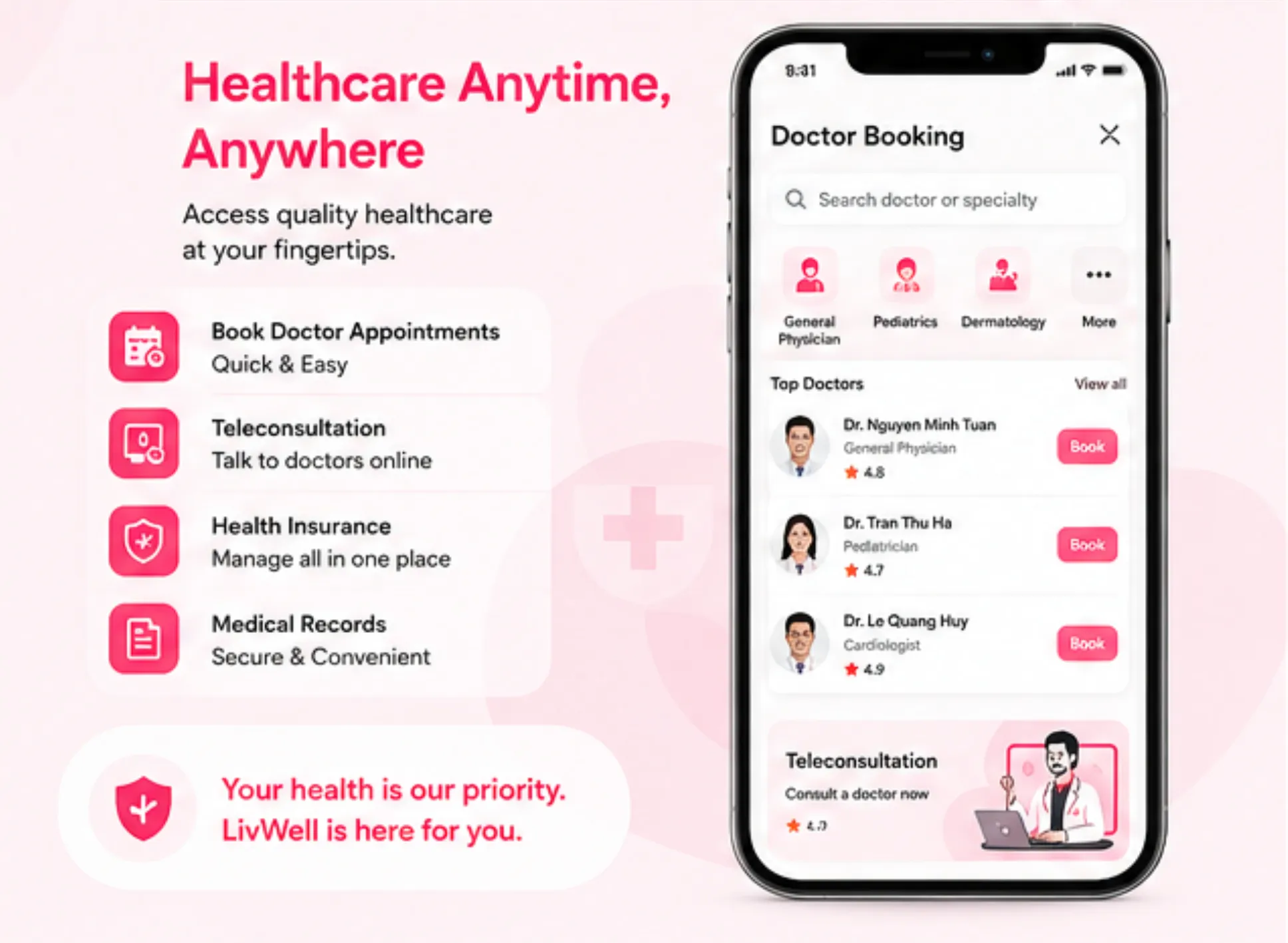
By investing in workplace wellness today, organizations can create healthier, happier, and more productive teams while positioning themselves for sustainable growth in the years ahead. Download workplace wellness platform, LivWell today and give your team the health benefits and preventive health tools they deserve.
Frequently Asked Questions
What is a workplace wellness platform?
A workplace wellness platform is a digital solution that helps businesses improve employee health, engagement, and wellbeing through wellness programs, health tracking, preventive healthcare tools, and employee benefits.
How does a workplace wellness platform improve employee engagement?
It encourages participation through wellness challenges, activity tracking, rewards, health goals, and team-based initiatives that motivate employees to stay engaged and healthy.
Why is employee wellness important for businesses?
Employee wellness contributes to higher productivity, lower absenteeism, improved morale, better retention rates, and a stronger workplace culture.
Can small businesses benefit from a workplace wellness platform?
Yes. Small businesses can use workplace wellness platforms to support employee wellbeing, improve engagement, and offer meaningful benefits without requiring large budgets or complex programs.
How does preventive healthcare help employers?
Preventive healthcare helps employees identify potential health concerns early, encourages healthier lifestyles, and may reduce long-term healthcare costs and workplace absences.
What features should a workplace wellness platform include?
Key features often include wellness challenges, health assessments, activity tracking, teleconsultation, employee rewards, health benefits management, and employee engagement tools.




























Sign in to leave a comment.