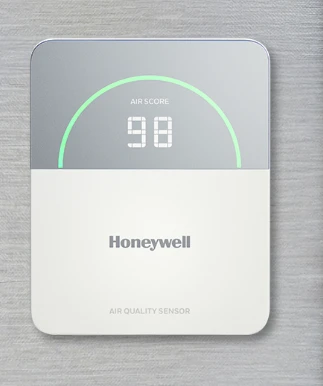

Indoor environments play a critical role in our daily health and productivity. Whether it’s a residential apartment, corporate office, school, or healthcare facility, the air we breathe indoors often contains invisible pollutants that directly impact comfort and wellbeing. This growing awareness has increased the demand for reliable solutions such as an air quality meter, helping people understand and improve the air they breathe.
Understanding Indoor Air Quality
Indoor air quality refers to the condition of air within buildings as it relates to occupant health and comfort. Factors such as ventilation, building materials, occupancy levels, and outdoor pollution contribute to indoor air conditions. Pollutants like particulate matter (PM2.5 and PM10), carbon dioxide, volatile organic compounds (VOCs), and humidity imbalances can accumulate silently, making monitoring essential.
This is where an air quality monitor becomes indispensable. Instead of relying on assumptions or occasional checks, continuous monitoring provides real-time insights into indoor conditions. With accurate data, building managers and homeowners can take proactive measures to maintain healthier spaces.
What Is an AQI Monitor and Why It Matters
An AQI monitor is designed to measure and display the Air Quality Index, a standardized value that reflects overall air pollution levels. It simplifies complex environmental data into an easy-to-understand score, helping occupants quickly assess whether the air is safe or requires action.
Unlike basic sensors, modern AQI monitors track multiple parameters simultaneously. These include fine particulate matter, temperature, humidity, and sometimes harmful gases. This holistic view allows users to identify pollution patterns, peak exposure times, and the effectiveness of ventilation strategies.
For commercial buildings and smart infrastructures, AQI monitoring supports compliance with health standards and enhances occupant trust. When air quality is visible and measurable, it becomes manageable.
The Role of an AQI Measurement Device in Smart Buildings
A dedicated AQI measurement device is more than just a display unit. In advanced building management systems, these devices integrate seamlessly with HVAC controls. This enables automated responses such as increasing fresh air intake or adjusting airflow based on pollution levels.
Smart buildings increasingly rely on data-driven decisions. Continuous air quality measurement ensures optimal energy use while maintaining healthy conditions. Instead of over-ventilating or under-ventilating, systems respond precisely to real-time needs, improving both sustainability and comfort.
Such intelligent integration also supports predictive maintenance by identifying recurring air quality issues before they escalate into larger operational problems.
Why an AQI Meter for Home Is Becoming Essential
Indoor pollution is not limited to offices or public buildings. Cooking, cleaning products, furniture, and even daily activities can degrade residential air quality. An AQI meter for home empowers homeowners to understand how their lifestyle impacts indoor air.
With easy-to-read displays and mobile connectivity, modern home AQI meters make monitoring effortless. Families can identify poor air conditions during specific activities and take simple corrective actions such as improving ventilation or adjusting humidity levels.
For homes with children, elderly occupants, or individuals with respiratory sensitivities, having real-time air quality awareness adds an important layer of health protection. It also complements solutions like an air cleaner by ensuring it operates when truly needed.
Benefits of Using an Air Quality Meter
Installing an air quality meter offers multiple long-term benefits:
- Health Awareness: Continuous monitoring helps reduce exposure to harmful pollutants.
- Improved Comfort: Maintaining balanced humidity and temperature enhances indoor comfort.
- Energy Efficiency: Smart responses prevent unnecessary HVAC usage.
- Data-Driven Decisions: Historical trends help optimize ventilation strategies.
- Peace of Mind: Knowing your indoor air status reduces uncertainty and stress.
For facility managers, these benefits translate into higher occupant satisfaction and better building performance.
Choosing the Right Air Quality Monitor
When selecting an air quality monitor, accuracy and reliability should be top priorities. Look for devices that measure multiple parameters and provide clear visual indicators. Scalability is also important, especially for commercial buildings that may require monitoring across multiple zones.
Integration capability with building management systems is a key advantage, enabling automated control rather than manual intervention. For residential users, ease of installation and intuitive interfaces make a significant difference in daily usability.
The Future of Indoor Air Quality Monitoring
As urbanization increases and people spend more time indoors, air quality monitoring will become a standard feature rather than a luxury. Advances in sensor technology and digital platforms are making air quality data more accessible and actionable.
From smart homes to intelligent commercial buildings, the use of an air quality meter and air quality monitor is shaping healthier indoor environments. With accurate AQI insights, building owners and occupants alike can take control of their indoor spaces, ensuring safety, comfort, and sustainability for the long term.




Sign in to leave a comment.