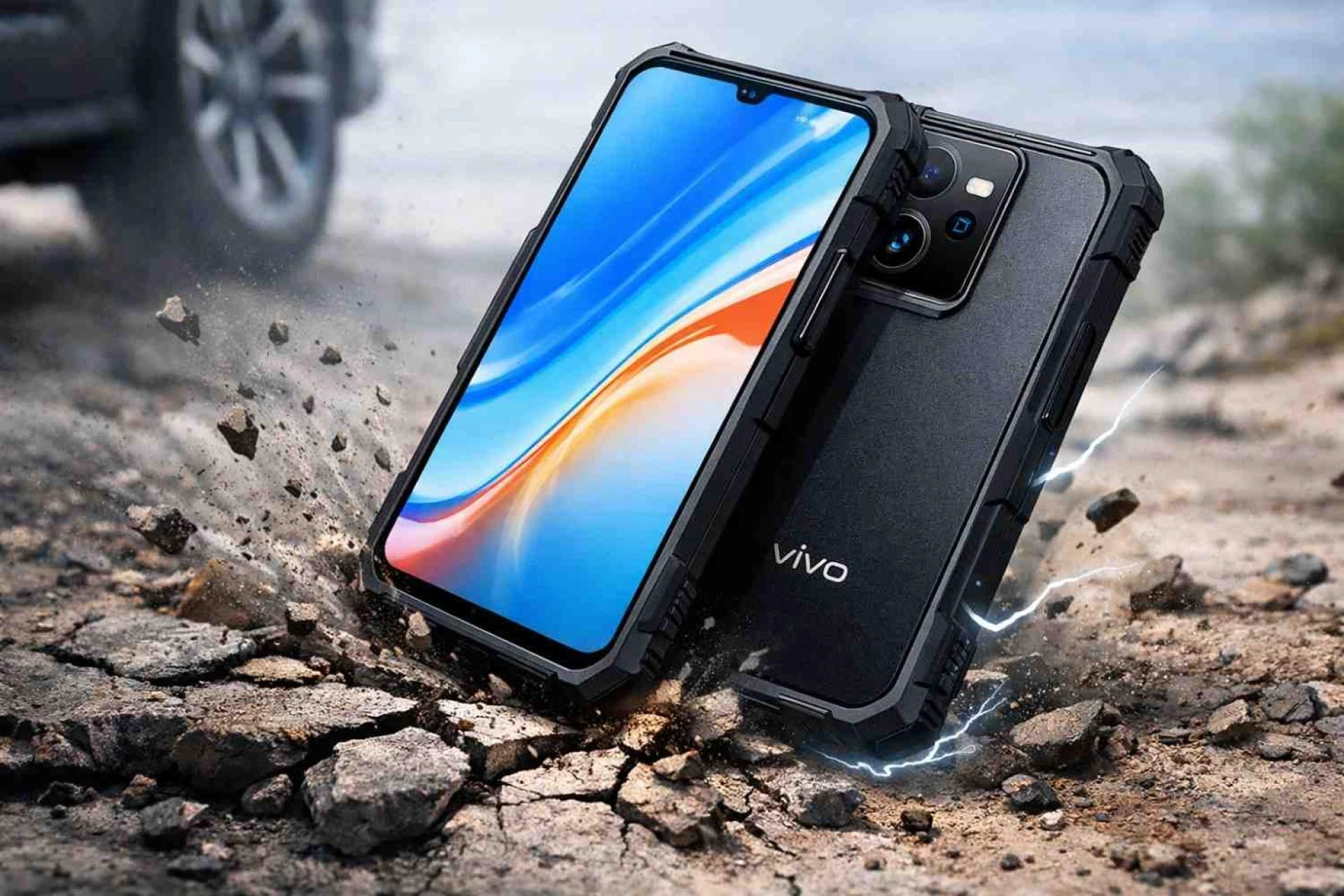

You spent good money on your Vivo T4 Pro. The sleek design caught your eye, the camera specs sealed the deal, and now it sits in your hand—a beautiful piece of technology that feels almost too premium to risk. Yet here's the uncomfortable truth: most smartphone damage happens within the first six months of ownership, and the Vivo T4 Pro, despite its impressive build quality, isn't immune to the laws of physics.
Phones slip. Gravity doesn't discriminate. That glossy finish that makes your device look so elegant? It's essentially a butter-slicked surface waiting for the wrong moment. Before you convince yourself you'll be careful enough, consider that repair costs for modern smartphones often exceed what you'd spend on proper protection by a factor of five or more.
The Real Cost of "Being Careful"
There's a particular psychology around new phone ownership. We tell ourselves we'll be extra cautious, that we're not like those clumsy people who crack their screens. Statistics paint a different picture. Research suggests that nearly 70% of smartphone users have damaged their devices at least once, with screen cracks and corner dents leading the damage reports.
The Vivo T4 Pro presents specific vulnerabilities:
- Its large 6.67-inch display creates more surface area for potential impact
- The camera module protrudes slightly, making it susceptible to scratches when placed on rough surfaces
- The aluminum frame, while gorgeous, dents more easily than expected when meeting concrete at speed
- The glass back panel offers minimal grip, increasing drop likelihood
Here's what happens during a typical phone drop: the device falls about four to five feet (standard pocket or hand height), accelerates at 9.8 meters per second squared, and impacts the ground with force concentrated on whatever part hits first. Without proper shock absorption, that energy transfers directly into your phone's internal components. Glass shatters. Frames bend. Circuit boards can develop micro-fractures that cause mysterious issues weeks later.
What Actually Happens When Your Phone Hits the Ground
Let's break down the physics without getting too technical. When your Vivo T4 Pro falls, it's experiencing what engineers call impact loading. The device needs to dissipate all that kinetic energy somewhere. Stock phones rely on the structural integrity of their chassis and screen to absorb impact—which works until it doesn't.
Quality shockproof covers change this equation entirely. They introduce a sacrificial layer designed to deform and absorb energy before it reaches your phone. The best ones use materials like thermoplastic polyurethane (TPU) or polycarbonate combined with air cushioning technology. Those raised edges around the screen and camera? They're not just aesthetic choices—they create a buffer zone so your most vulnerable components never make direct contact with surfaces.
The Science Behind Shock Absorption
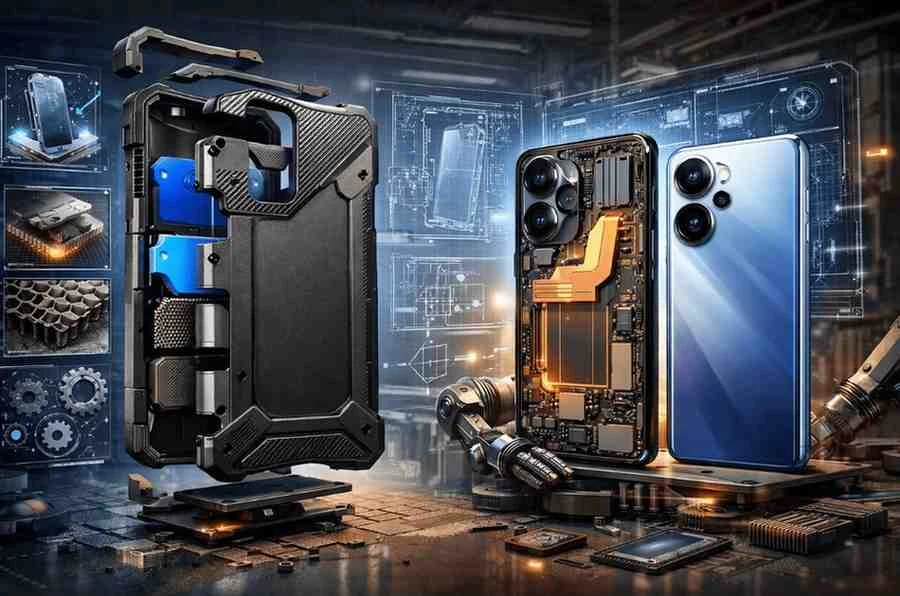
Modern protective cases use multiple layers to dissipate impact force:
Inner TPU Layer: Soft, flexible material that compresses on impact, converting kinetic energy into heat and deformation. This layer hugs your phone tightly and takes the initial shock.
Outer Polycarbonate Shell: Hard exterior that spreads the impact force across the entire surface rather than letting it concentrate at a single point.
Air Cushion Technology: Small air pockets in the corners act like miniature airbags, creating additional space for force dissipation.
The Vivo T4 Pro's camera system deserves special attention. You've got multiple lenses back there, each one a precision optical instrument that costs a surprising amount to replace individually. A single grain of sand at the wrong angle can scratch a lens permanently. This is where Vivo T4 Pro 5G back covers with proper camera protection become essential rather than optional. That raised bezel around the camera module means when you set your phone down on a table, the lenses stay suspended safely above the surface.
Not All Protection Is Created Equal
Walk into any mobile accessories store and you'll find dozens of case options. Most fall into a few categories: slim fashion cases that prioritize looks over protection, bulky "rugged" cases that turn your sleek phone into a brick, and then there's the sweet spot—properly engineered shockproof covers that balance protection with usability.
Understanding Military-Grade Protection
Military-grade drop protection sounds like marketing speak until you understand what it actually means. MIL-STD-810G is a real Department of Defense testing standard that involves dropping devices from 4 feet onto concrete 26 times from different angles. Cases that pass this aren't indestructible, but they've proven they can handle real-world accidents.
What MIL-STD-810G testing includes:
- Multiple drops from 48 inches onto concrete
- Testing from all angles (face down, back down, corners, edges)
- Functionality checks after each impact
- Temperature and humidity stress tests
Material science matters here. Single-layer hard plastic cases look protective but can actually transfer more impact force to your phone than going caseless. The shock needs somewhere to go, and rigid materials don't compress well. Better options use dual-layer designs: a soft inner layer (usually TPU) that absorbs initial impact, and a harder outer shell (polycarbonate) that disperses force across the entire case rather than letting it concentrate at the impact point.
For the Vivo T4 Pro specifically, look for covers that account for the phone's particular geometry. The power button placement, the slightly curved back panel, the camera bump dimensions—these details matter when you're trying to maintain full functionality while adding protection.
Beyond Drop Protection: The Daily Wear Factor
Drops get all the attention, but daily wear damages phones slowly and steadily. Every time you slide your Vivo T4 Pro into a pocket with keys, set it on a restaurant table, or toss it in a bag with other items, you're inviting micro-scratches and scuffs. Over months, that pristine finish becomes a constellation of tiny imperfections that tank resale value.
Common sources of daily phone damage:
- Keys and coins in pockets creating scratches
- Rough surfaces like concrete tables or wood desks
- Dust and sand particles acting as abrasives
- Chemical exposure from lotions, cleaners, or spills
- Temperature fluctuations causing material expansion and contraction
Shockproof covers act as armor against this gradual degradation. They take the beating so your phone doesn't have to. When you eventually upgrade, you can remove the case to reveal a phone that looks nearly new—a detail that can mean an extra hundred dollars or more in trade-in value.
The texture of your case affects daily usability too. The Vivo T4 Pro's glass back, while beautiful, offers minimal grip. This isn't just about aesthetics—poor grip directly correlates with drop frequency. Shockproof covers typically feature textured surfaces or grip-enhancing patterns that give your fingers something to hold onto, especially when your hands are wet or you're trying to take a photo one-handed.
The Camera Protection Imperative
Let's focus specifically on why your camera setup needs dedicated protection. The Vivo T4 Pro sports a sophisticated camera array that represents a significant portion of the phone's overall value. These aren't simple point-and-shoot lenses—they're precision optical systems with multiple elements that need to maintain exact alignment to function properly.
Why Camera Bumps Need Extra Attention
Impact to the camera module can cause issues that aren't immediately obvious. You might not see a cracked lens, but suddenly your photos have weird flares or soft focus areas that weren't there before. This happens when internal lens elements get knocked slightly out of position. Repairs for this kind of damage often require replacing the entire camera assembly, which isn't cheap.
Common camera damage scenarios:
- Placing phone lens-down on sandy or gritty surfaces
- Impact that misaligns internal optical elements
- Scratches from keys or hard objects in bags
- Cracks from direct drops onto the camera bump
- Dust infiltration through compromised seals
This is precisely where choosing a Vivo T4 Pro 5G case with camera protection becomes a decision that pays for itself the first time you accidentally set your phone down lens-first. That extra millimeter or two of raised protection might seem trivial, but it's the difference between lens-to-surface contact and safe suspension.
The best protective cases feature camera bezels that rise at least 1-2mm above the lens surface. This creates a protective well around your camera system, ensuring that even when the phone is face-up on a table, the lenses never touch the surface.
The Environmental Angle Nobody Talks About
Here's a perspective that doesn't come up often enough: using protective cases is actually an environmental decision. Electronic waste is a growing global problem, and smartphones contribute significantly to it. When phones get damaged beyond repair, they enter the waste stream. Many components can't be recycled effectively, especially those containing rare earth elements.
Environmental impact of phone damage:
- Average smartphone contains over 60 different elements, including precious metals
- Only 20% of electronic waste gets properly recycled globally
- Manufacturing one phone produces approximately 85kg of waste
- Mining rare earth elements causes significant environmental degradation
- Extending phone life by one year reduces carbon footprint by approximately 30kg CO2
Extending your phone's usable life by even a single year through proper protection reduces your personal e-waste footprint measurably. It also delays the resource extraction and manufacturing processes required to produce your next device. This isn't about guilt—it's about making choices that align practical protection with broader responsibility.
Making the Smart Investment
The mental math is straightforward. A quality shockproof cover for your Vivo T4 Pro costs somewhere between what you'd spend on a few coffee shop visits or one nice dinner out. A screen replacement? That's ten times more. A full device replacement if the damage is comprehensive? You're looking at the cost of the phone itself.
Cost comparison breakdown:
- Quality shockproof cover: ₹500-₹1,500
- Screen replacement: ₹5,000-₹8,000
- Camera module repair: ₹3,000-₹6,000
- Full phone replacement: ₹20,000-₹30,000
- Lost resale value from visible damage: ₹3,000-₹7,000
Some people view protective cases as hiding their phone's design. There's some truth to this, but consider: which matters more, showing off pristine aesthetics for a few months before inevitable damage occurs, or maintaining actual pristine condition underneath protection that you can remove when you want to appreciate the design?
The best approach treats your shockproof cover like insurance—something you hope you never need to rely on but will be grateful for when the inevitable happens. Because it will happen. Maybe not today, maybe not this month, but physics and probability suggest your phone will experience at least one significant impact during its life with you.
Choosing Protection That Actually Works
When you're ready to select a cover, ignore the marketing fluff and focus on verifiable features. Look for precise cutouts that don't interfere with buttons or ports. Check that the case adds minimal bulk while still providing raised edges around the screen and camera. Read reviews from actual users rather than relying on product descriptions.
Key Features to Look For
Material Quality: Cheap TPU yellows and becomes brittle within months. Good polycarbonate maintains clarity and strength over time. The corners should feel reinforced—these are the most likely impact points.
Button Responsiveness: Protective covers shouldn't make your buttons mushy or hard to press. Quality cases use precisely molded button covers that maintain tactile feedback.
Port Accessibility: Check that charging port, speaker grilles, and microphone openings are adequately sized. Too small and you'll struggle with cable connections; too large and they don't protect against dust.
Wireless Charging Compatibility: If your Vivo T4 Pro supports wireless charging, ensure the case doesn't interfere with this feature. Most quality TPU and polycarbonate cases work fine, but metal or very thick cases can block charging.
Grip Enhancement: Look for textured surfaces, anti-slip coatings, or ergonomic designs that improve handling. This directly reduces drop probability.
For the Vivo T4 Pro specifically, ensure the case accommodates the phone's specific button placement and doesn't block wireless charging if your model supports it. Some poorly designed cases can interfere with signal strength by blocking antenna bands, though this is less common with quality options.
Real User Scenarios: When Protection Saves the Day
Understanding abstract benefits helps, but real situations make the value concrete. Here are common scenarios where proper protection makes the difference:
The Morning Coffee Fumble: You're juggling your coffee and phone while opening a door. The phone slips. With a shockproof cover, it bounces. Without one, you're looking at a cracked screen before 9 AM.
The Pocket Extraction Gone Wrong: Pulling your phone from a tight pocket, it catches on the fabric and launches itself onto pavement. The corner hits first—exactly where shockproof covers concentrate their reinforcement.
The Bathroom Counter Slide: You set your phone on the counter while washing your hands. It slowly slides across the wet surface and drops. That raised screen bezel prevents the display from directly impacting tile.
The Car Mount Release: Your phone mount releases unexpectedly while driving over a bump. The device falls into the footwell. Protective corners absorb the impact that would otherwise crack your camera glass.
The Bedside Table Mishap: Half-asleep, you reach for your phone in the dark and knock it off the nightstand onto hardwood. Your future self thanks your past self for the protection.
What Your Future Self Will Thank You For
Six months from now, one of two scenarios will have played out. Either you'll have experienced that heart-stopping moment when your phone slips and falls, followed by immense relief when you pick it up undamaged thanks to proper protection. Or you'll have avoided drops entirely through careful handling, and your protected phone will still look brand new because the case absorbed all the daily wear and tear.
Both scenarios represent wins. The protective cover costs you nothing in terms of phone functionality but potentially saves you hundreds in repair costs and the hassle of dealing with a damaged device. Your Vivo T4 Pro 5G back covers become an invisible shield that works whether or not you're consciously thinking about protection.
There's something to be said for peace of mind too. When your phone is properly protected, you stop babying it constantly. You can actually use it the way it was meant to be used—as a tool that enhances your life rather than a fragile artifact that requires constant vigilance.
Maintenance Tips for Your Protected Phone
Getting a shockproof cover isn't the end of protection—proper maintenance ensures long-term effectiveness:
Regular Cleaning: Remove your case monthly to clean both the case and phone. Dust and debris can accumulate and cause scratches even with protection in place.
Inspect for Wear: Check corners and edges for signs of deterioration. If the material looks cracked or brittle, it's time for a replacement before it fails.
Proper Installation: Ensure the case fits snugly without gaps. Loose-fitting cases can allow the phone to shift on impact, reducing protection effectiveness.
Replace When Damaged: If your case takes a significant hit, replace it even if the phone survived unscathed. The case may have internal damage that compromises future protection.
The Bottom Line Nobody Argues With
Smartphones have become central to how we work, communicate, and document our lives. The Vivo T4 Pro represents a significant investment in that connectivity. Protecting that investment with a quality shockproof cover isn't paranoia or overkill—it's the most logical decision you can make as a device owner.
You can't predict when accidents will happen. You can only control whether you're prepared for them. That raised camera bezel, those shock-absorbing corners, that extra layer between your screen and the ground—these elements cost a fraction of what they protect but deliver returns that far exceed their price tag the moment they're needed.
Your Vivo T4 Pro deserves protection that matches its quality. The search for "Vivo T4 Pro 5G back covers" or "Vivo T4 Pro 5G case with camera protection" should start today, not after damage occurs. The only question is whether you'll add that protection proactively or wish you had after the damage is done. One choice leads to continued enjoyment of a pristine device. The other leads to regret and expense. The mathematics of that decision solve themselves.
Sign in to leave a comment.