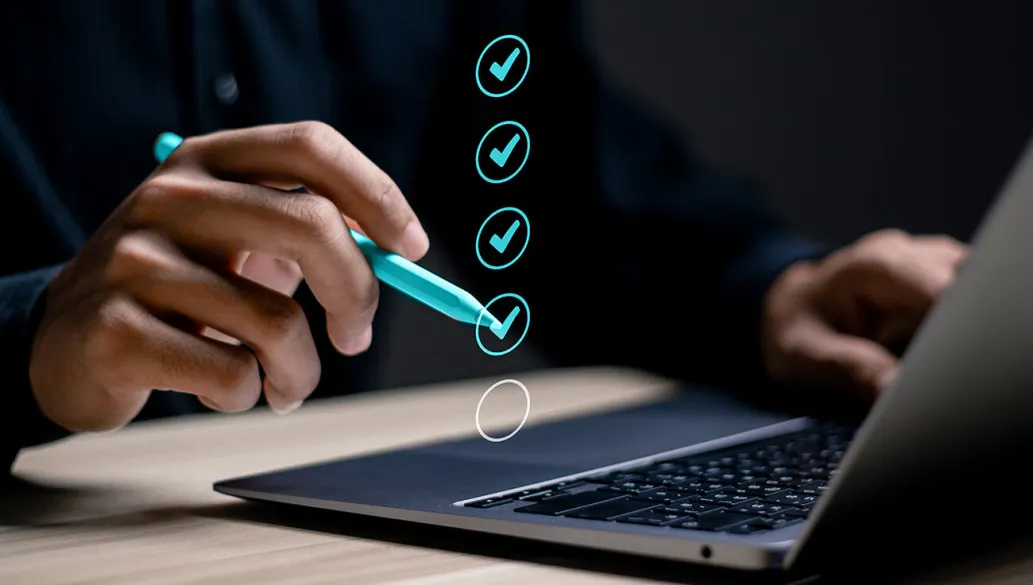

As a writer, blogger, or digital content creator, how often do you find yourself testing a new software tool, signing up for an online forum, or subscribing to industry newsletters? If you are anything like me, your answer is probably multiple times a week. We live in an era where digital creativity thrives on constant experimentation and community engagement across dozens of online platforms.
However, every time you enter your real personal name and primary contact details into an unfamiliar system, you leave behind an indelible digital footprint. Over time, these scattered data points get aggregated, tracked, and exposed to data brokers, automated scrapers, and phishing attempts. In this article, I want to share my practical perspective on why protecting your online privacy is essential, and how integrating smart privacy solutions can keep your personal life secure while you build your digital presence.
The Modern Creator's Privacy Dilemma in a Connected World
When you publish articles, write stories, or share creative insights on the web, visibility is usually your primary goal. You want your audience to discover your words, engage with your ideas, and follow your journey. Yet, there is a distinct boundary between your public professional persona and your private personal identity.
Unfortunately, modern web platforms often demand extensive personal data during registration. Whether you are creating an account to test a new writing assistant, reviewing digital assets on developer hubs, or exploring niche forums, using your real identity carries real risks:
- Spam and Unwanted Solicitations: Once your primary contact info ends up in marketing databases, your inbox gets overwhelmed with irrelevant promotions.
- Identity Cross-Referencing: Malicious trackers can connect your social media profiles, public comments, and testing accounts into a single identifiable profile.
- Doxxing and Security Vulnerabilities: If an auxiliary service suffers a security breach, your authentic personal credentials could be exposed to bad actors.
To prevent these issues, I always advise that you separate your everyday exploratory activities from your official public identity.
Why and How a Fake Names Generator Protects Your Digital Identity
Many people assume that using placeholder names is only for anonymity or secretive tasks. In reality, modern developers, software testers, marketing specialists, and professional writers utilize synthetic data as a standard privacy shield.
A synthetic identity allows you to register for software demos, test user interfaces, conduct market research, and evaluate new web tools without handing over your sensitive personal information. It gives you the freedom to explore the digital world on your own terms while keeping your genuine identity safe from unwarranted surveillance.
When I need to audit web services, manage multi-platform trial accounts, or verify how modern systems handle synthetic identities, I always look for reputable repositories and curated tools. By exploring a dedicated fake names generator resource repository, you can discover how privacy-focused platforms structure realistic identities, test systems effectively, and protect customer privacy across numerous digital channels.
Centralizing Your Online Presence Across Multiple Platforms Safely
While using synthetic profiles is perfect for testing and privacy protection, you also need a reliable way to establish credibility for your authentic brand. As your creative projects expand, you will likely build profiles across diverse platforms—such as developer networks (Devpost, Replit, Docker Hub), creative galleries (Sketchfab, Vimeo), support hubs (Ko-fi), and tech discovery communities (Product Hunt).
Managing your presence across dozens of platforms can become overwhelming. To maintain consistency and build trust with your audience, I recommend adopting the following strategies:
- Maintain a Verified Social Directory: Keep a centralized, accessible repository or verified link tree that lists all your official public profiles (from YouTube and Twitter/X to niche communities like Plurk and SpigotMC). This ensures your followers can always confirm that an account genuinely belongs to you.
- Standardize Your Official Brand Identifiers: Use consistent brand names and verified support emails for your primary channels so that you stand out from impersonators.
- Keep Testing Personas Separate: Never mix your private testing accounts with your official brand profiles. Use synthetic personas for exploration and save your official branding for verified community engagement.
Practical Daily Habits to Keep You Secure Online
To help you take control of your digital security today, here are four actionable habits that I practice regularly:
- Pair Disposable Names with Temporary Emails: Whenever you need to download a one-time resource or test a free tool, combine a synthetic name with a temporary email address.
- Audit Your Public Profiles Periodically: Take an hour every quarter to review where your personal information is displayed online, and remove outdated accounts or unnecessary data.
- Use Password Managers with Unique Passwords: Never reuse credentials across testing platforms and public forums.
- Verify Official Channels Before Sharing Data: Always double-check whether a platform or profile is an authentic representative before interacting.
Final Thoughts
In our interconnected digital landscape, protecting your privacy is not about hiding—it is about retaining full control over your personal data. By understanding the risks of oversharing and utilizing tools like a synthetic identity generator for routine registrations, you can explore the web freely while shielding your real personal life.
I encourage you to take a moment today to review your current digital footprint, separate your testing activities from your public work, and adopt smart privacy tools that safeguard your creative journey.























Sign in to leave a comment.