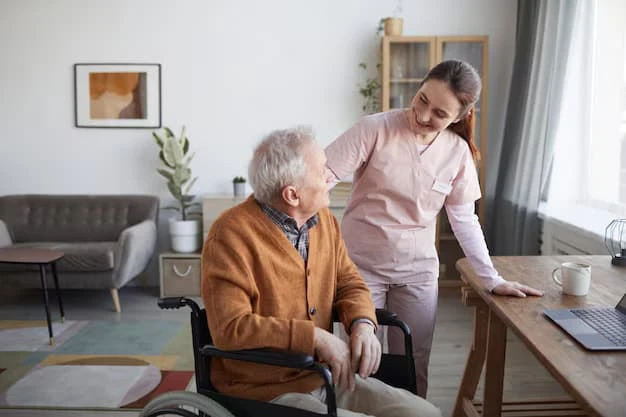

Families across the country are increasingly turning to senior home care as an alternative to traditional nursing homes. This growing preference reflects a desire for more personalized, compassionate, and flexible care options for aging loved ones. As life expectancy rises and more seniors wish to remain in familiar surroundings, home-based care has become an appealing solution that combines professional support with the comfort of home.
While nursing homes provide structured medical oversight, many families now recognize that seniors can receive comparable or even superior attention through individualized care delivered right to their doorstep. The trend toward senior home care highlights a broader movement toward independence, dignity, and emotional well-being in the aging process.
Personalized and Individualized Attention
Tailored Care Plans for Every Senior
One of the main reasons families prefer senior home care is the ability to create customized care plans that address specific needs. Unlike the standardized routines found in nursing homes, home-based care focuses on each senior’s unique physical, emotional, and social requirements. Caregivers develop personalized schedules and activities that fit the client’s preferences, health conditions, and lifestyle.
This approach ensures that seniors receive assistance that genuinely enhances their daily lives, whether it involves help with mobility, meal preparation, personal hygiene, or companionship. The flexibility of senior home care allows families and caregivers to adjust plans as needs evolve, providing consistent and meaningful support over time.
Dedicated One-on-One Support
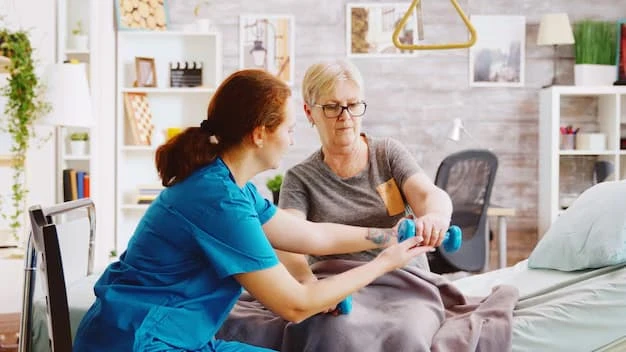
In nursing homes, staff members often care for multiple residents at once, making it challenging to give every individual the attention they deserve. With senior home care, caregivers work one-on-one with clients, fostering stronger relationships and deeper understanding. This personal attention helps caregivers quickly recognize changes in health, mood, or behavior and respond effectively. The result is a safer, more attentive environment where seniors feel valued and cared for.
Emotional Comfort and Familiar Surroundings
The Value of Staying at Home
For many older adults, home is more than just a place to live; it is a reflection of their memories, independence, and identity. Transitioning to a nursing home can often feel disruptive and stressful. Senior home care allows aging individuals to remain in the comfort of their own surroundings while receiving the necessary assistance.
Being surrounded by familiar furniture, family photos, and personal possessions provides emotional comfort that promotes overall well-being. Seniors often experience less anxiety and confusion when they stay in their own homes, especially those living with memory-related conditions like dementia or Alzheimer’s disease.
Stronger Family Involvement
Another significant advantage of senior home care is the ability for families to remain closely involved in their loved one’s daily life. Unlike nursing homes, where visiting hours may be limited, home-based care allows family members to visit freely, participate in routines, and contribute to decision-making. This ongoing involvement strengthens family bonds and ensures that care decisions align with the senior’s preferences and values.
Independence and Dignity
Encouraging Autonomy
Maintaining independence is a top priority for most seniors. Senior home care empowers older adults to continue managing aspects of their daily lives with the right level of assistance. Whether it is preparing meals, watering plants, or taking short walks, caregivers provide support that encourages self-sufficiency rather than replacing it.
This balance helps seniors preserve their dignity and confidence. In contrast, nursing homes often operate within structured schedules that can limit personal freedom. Home care promotes autonomy while still ensuring safety and professional guidance.
Respectful and Compassionate Assistance
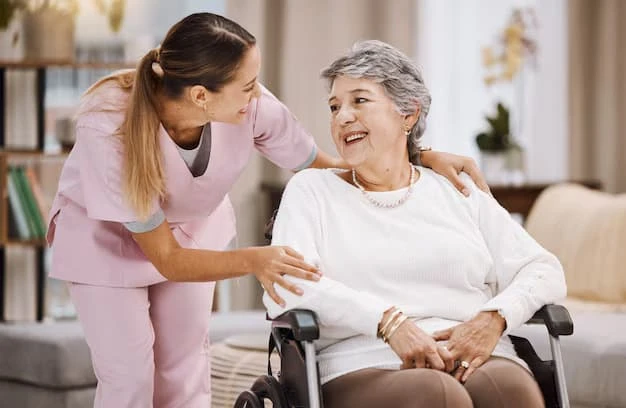
Caregivers in senior home care are trained not only in practical skills but also in empathetic communication and emotional support. They approach their work with compassion, patience, and respect, treating each client as an individual rather than just another resident. This respectful dynamic enhances trust and comfort, allowing seniors to feel secure and appreciated in their daily interactions.
Health and Safety Benefits
Reduced Exposure to Illness
Living in a shared facility like a nursing home can increase exposure to infectious diseases. In recent years, many families have become more cautious about group living environments for their elderly loved ones. With senior home care, seniors remain in a controlled and familiar environment, significantly reducing the risk of infections.
Caregivers follow strict hygiene and health protocols, ensuring that the home remains a safe place. Families gain peace of mind knowing that their loved one is not exposed to unnecessary health risks.
Personalized Health Monitoring
A professional senior home care provider focuses on consistent health monitoring tailored to the client’s medical needs. Caregivers help with medication reminders, track vital signs, and coordinate with healthcare professionals when necessary. This individualized attention ensures that health changes are detected early, reducing the likelihood of hospital visits and complications.
Cost-Effective and Flexible Solutions
Paying Only for Needed Services
One misconception about senior home care is that it is always more expensive than nursing homes. In reality, home care often proves to be more cost-effective. Families pay only for the services they need, whether it is part-time assistance, full-time care, or overnight supervision. This flexibility allows families to manage budgets while still ensuring their loved one receives quality support.
Avoiding Hidden Fees and Institutional Costs
Nursing homes often include additional charges for services like laundry, activities, or medical supplies. With senior home care, families have transparent pricing and complete control over the care plan. This financial clarity helps families make informed decisions and avoid unexpected expenses.
Emotional and Social Well-Being
Companionship and Mental Engagement
Loneliness can be one of the most difficult challenges faced by seniors. Senior home care places strong emphasis on companionship, ensuring that clients have someone to talk to and interact with daily. Caregivers often engage in activities such as reading, playing games, or simply having conversations that keep the mind active and spirits high.
This consistent social interaction reduces feelings of isolation and supports better mental health. Unlike in nursing homes, where staff may have limited time for personal interaction, home caregivers can build meaningful relationships that enrich the client’s emotional well-being.
Encouraging Social Connections
Caregivers can also assist seniors in maintaining social connections by accompanying them to family gatherings, community events, or medical appointments. By supporting these interactions, senior home care helps clients remain engaged with their community and maintain a sense of belonging.
Convenience for Families
Peace of Mind and Reduced Stress
Choosing senior home care offers families peace of mind knowing their loved one is being cared for by trained professionals in a familiar setting. They no longer have to worry about the potential challenges associated with relocating to a facility or the possibility of impersonal treatment. This reassurance allows families to focus on quality time and shared moments with their loved ones.
Flexible Scheduling and Adaptability
A significant benefit of senior home care is its flexibility. Care schedules can be adjusted based on the client’s changing needs or family preferences. Whether short-term recovery assistance or long-term care is required, the service can adapt easily. This level of customization provides convenience and ensures continuity of care.
The Growing Preference for Home-Based Care
The preference for senior home care continues to grow as more families recognize its emotional, practical, and financial benefits. The ability to combine professional caregiving with the comfort of home offers an ideal solution for seniors seeking independence and security. As awareness spreads, more families are realizing that aging in place is not only possible but also beneficial for both seniors and their loved ones.
Conclusion
Families today value comfort, independence, and personalized care for their elderly loved ones. The shift toward senior home care reflects these priorities, providing seniors with a safe, flexible, and emotionally supportive environment. It allows them to age gracefully while remaining connected to their homes, families, and communities. For those seeking trusted and compassionate care, AMT Homecare stands ready to deliver exceptional support that enhances quality of life and peace of mind.










Sign in to leave a comment.