

Applied Behavior Analysis doesn't happen in a vacuum. The hours a child spends in formal ABA sessions — whether at a clinic or at home — are a fraction of their waking day. The skills and strategies introduced during therapy only become durable if they're reinforced consistently in the environments where children actually live: at home, in the car, at the grocery store, with siblings and grandparents and neighbors.
This is why the most effective ABA programs treat the family not as passive observers but as active participants in the treatment process.
What family involvement actually looks like in practice
At the most basic level, family involvement means that parents and caregivers are kept informed about what's being worked on and why. You should always be able to answer the question: what are my child's current therapy goals, and what does progress look like for each one?
Beyond that, genuine family involvement typically includes:
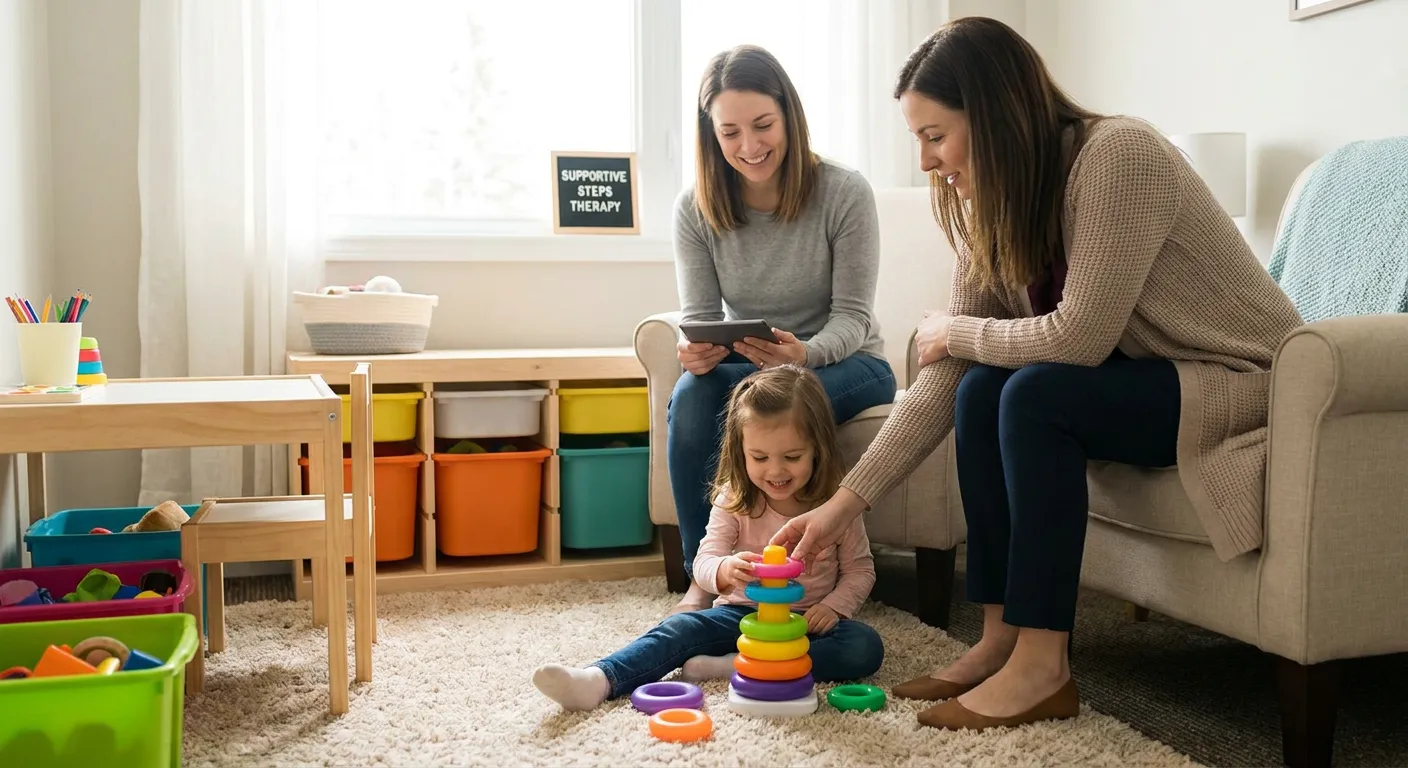
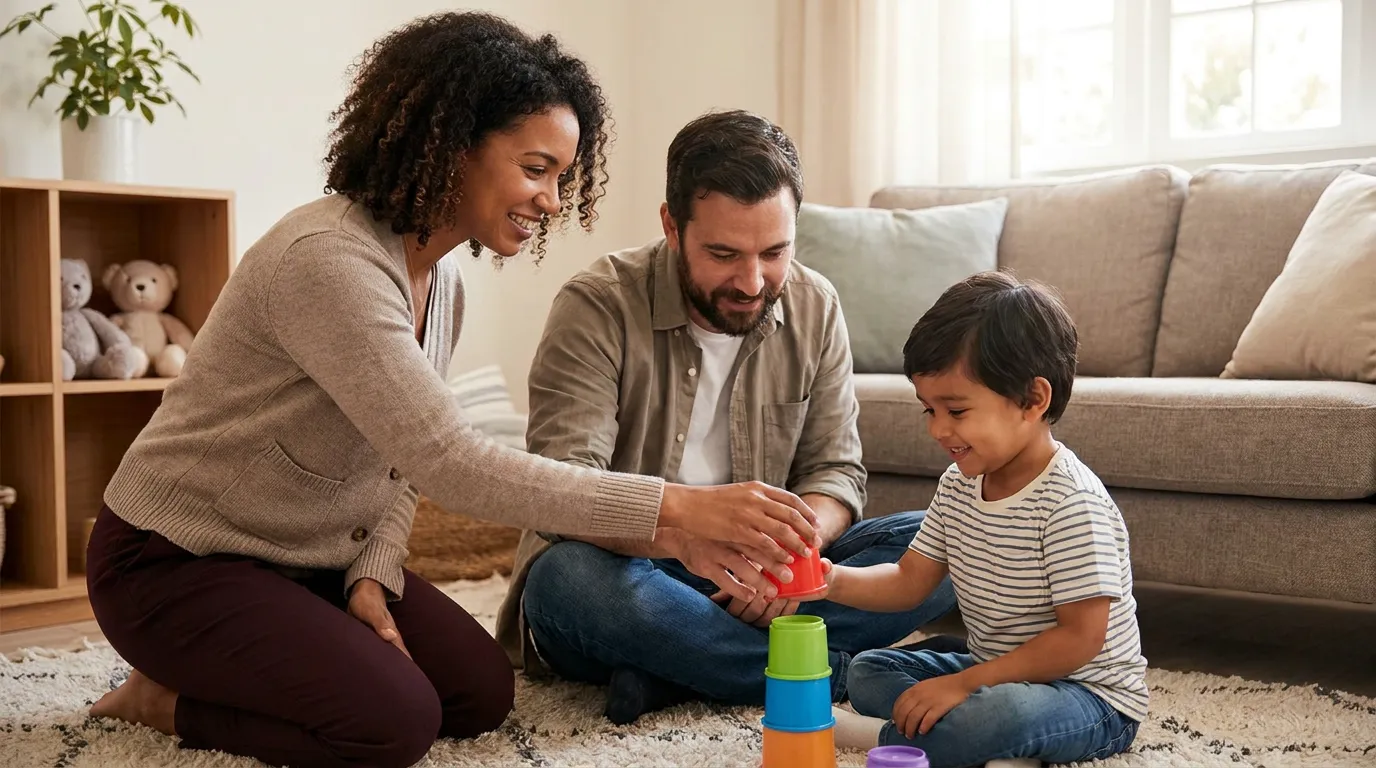
Regular caregiver training. The BCBA or a designated team member walks you through specific strategies — how to prompt a skill, how to respond to a behavior, how to run a particular teaching trial at home. This isn't a lecture. It's hands-on coaching that you can actually use.
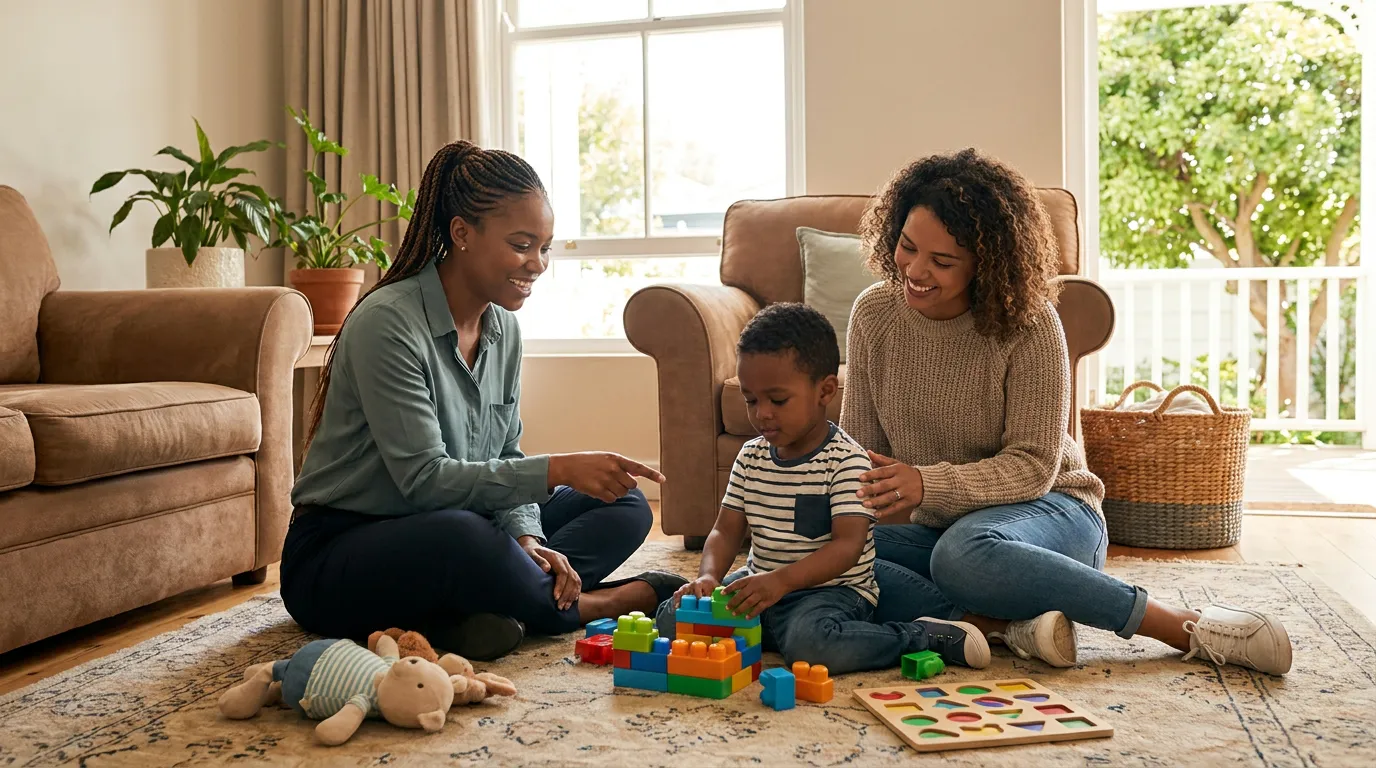
Generalization planning. Every skill learned in therapy needs to be practiced across multiple settings, with multiple people, in multiple situations before it truly generalizes. Your family is part of that plan. A BCBA should be building opportunities for practice into your daily routines, not just expecting the skill to automatically transfer.
Honest communication about barriers. Life is complicated. If something in the home environment is making it difficult to maintain consistency — a family crisis, a schedule change, a sibling dynamic — that's worth surfacing to the BCBA. They can adjust the plan. What doesn't work is pretending everything is fine when it isn't.
Why this matters for outcomes
Research consistently shows that children in ABA programs with strong family involvement make faster progress and maintain skills more reliably over time than children whose therapy is siloed from daily life. This isn't surprising when you think about it: a skill practiced only two or three hours a week in one specific setting will fade without reinforcement. A skill embedded across a child's whole day becomes part of how they operate.
The flip side is that families who feel well-supported — who understand what they're being asked to do and why — are more likely to follow through. Provider communication matters a lot here. If families don't understand the strategy, they can't implement it.
Finding a provider that builds this in
Not every ABA provider structures family involvement the same way. When you're evaluating options, it's worth asking directly: how will my family be trained? How often will we meet with the BCBA? What does generalization planning look like?
For more on how Alight Behavioral Therapy's services approach family involvement and in-home care, reach out to learn what the process looks like from day one.


























Sign in to leave a comment.