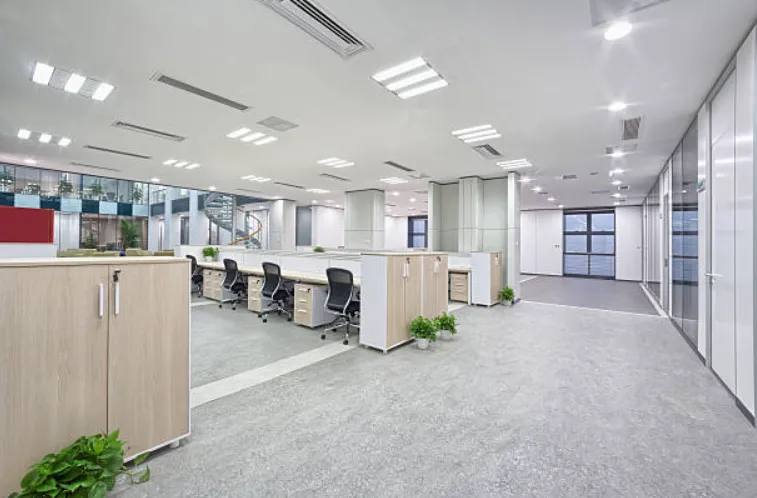

Commercial property development is experiencing a fundamental revolution focused on digital transformation, operational efficiency, and environmental sustainability. Modern corporate offices, university campuses, and healthcare facilities rely on dozens of interconnected digital systems working together. However, traditional high-voltage electrical distribution remains a major barrier, burdening property owners with expensive installation costs, rigid structural layouts, and complex maintenance demands.
Meeting the complex operational needs of modern commercial spaces requires a flexible power architecture designed specifically for digital integration. Integrating fault managed power systems across enterprise real estate permits long-distance energy delivery using lightweight, safe cabling techniques. This intelligent energy framework provides the ideal physical foundation for powering smart lighting networks, automated climate controls, and central security hardware across modern commercial environments.
Redefining System Safety with Real-Time Packetized Energy Flow
Legacy electrical grids rely on continuous current flow backed by standard circuit breakers designed to trip only after high-current faults happen. These legacy safety devices leave infrastructure vulnerable to electrical fires, arc flashes, and human shock hazards. Digital packetized energy systems redefine safety standards by breaking continuous power down into tiny discrete energy packets that are digitally verified for safety before being sent down the line.
Every energy packet transferred across the system requires a successful handshake between the central transmitter and the end device. If the system detects broken insulation, a line short, or human skin contact, energy transmission ceases in a fraction of a second. This level of protection prevents electrical accidents, enabling facilities to run high-capacity power lines safely through standard ceiling spaces without heavy metal conduits.
Simplifying Office Fit-Outs and Reducing Capital Investment Costs
Modern office layouts must remain dynamic to accommodate flexible working arrangements, collaborative zones, and shifting team configurations. Modifying room configurations powered by conventional high-voltage wiring requires invasive structural alterations, expensive high-voltage labor, and significant workspace downtime. Fault-managed cabling provides superior spatial flexibility, allowing facilities managers to relocate ceiling devices and power nodes rapidly.
Because fault-managed networks utilize lightweight cables similar to standard Ethernet wiring, technical teams can route power lines easily around structural obstacles. This simplified installation process reduces specialized labor costs significantly and eliminates messy wall trenching during commercial fit-outs. Properties can adapt their physical workspaces in days rather than weeks, keeping project costs under control.
Unifying Enterprise Building Systems to Maximize Energy Savings
Achieving meaningful sustainability goals requires total transparency into how energy is consumed across every square foot of a commercial facility. Digital fault-managed energy networks merge high-capacity power distribution with digital monitoring tools, providing property managers with complete operational oversight. Facilities teams can track real-time power draw, automate off-hours shutdowns, and eliminate unnecessary energy burn across the entire property.
Integrating smart lighting fixtures and environmental sensors onto a unified digital power grid unlocks advanced automated energy-saving capabilities. Automated systems can dim illumination in vacant conference rooms, optimize HVAC operations based on real-time room occupancy, and maximize natural light usage. These automated adjustments cut daily energy consumption substantially, helping enterprise organizations lower operational overhead while satisfying municipal energy regulations.
Ensuring Long-Term Adaptability and Preserving Asset Value
As commercial real estate technology continues to advance, facility owners must ensure their buildings can integrate emerging hardware without full structural rewiring. Outdated high-voltage power grids restrict a property’s ability to adopt digital services, lowering its overall value to modern commercial tenants. Installing an intelligent fault-managed energy network creates a scalable digital backbone that easily accommodates future technological upgrades.
Software-managed power platforms ensure that adding new security hardware, expanding sensor networks, or updating environmental tools remains straightforward and economical. Property managers can reconfigure energy zones and update operating parameters instantly using central software dashboards. Establishing a flexible digital energy grid ensures commercial properties maintain higher market value, lower operating expenses, and provide exceptional comfort for occupants.
Conclusion
Deploying digital fault-managed energy infrastructure is an essential step toward building efficient, safe, and dynamic commercial real estate. Combining high-capacity power distribution with real-time fault detection lowers installation costs, reduces energy waste, and protects human safety across the facility. Enterprise leaders who invest in scalable, software-defined energy networks ensure their commercial properties remain operationally resilient, economical, and fully prepared for future technological advancements.

























Sign in to leave a comment.