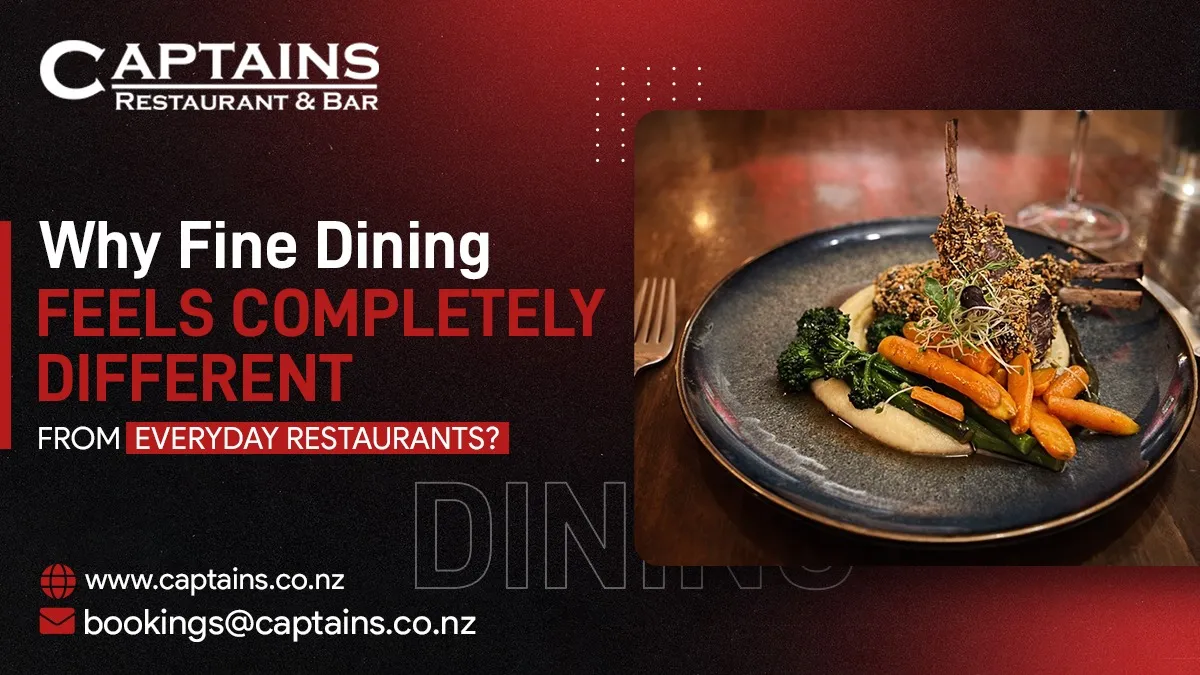

There is a reason people remember an exceptional fine dining experience long after the final course has been served. While ordinary restaurants focus primarily on convenience, speed, and consistency, fine dining is built around creating a complete and immersive experience. Every detail — from the atmosphere and service to the presentation and pacing — is carefully considered to make the occasion feel memorable.
The difference is not simply about expensive ingredients or elegant decor. Fine dining creates an experience that feels deliberate, refined, and personal in a way that everyday restaurants often do not. Whether celebrating a milestone occasion or searching for the best food places in Queenstown, many diners are looking for something more than just a meal — they are looking for an experience worth remembering.
Atmosphere Shapes the Entire Experience
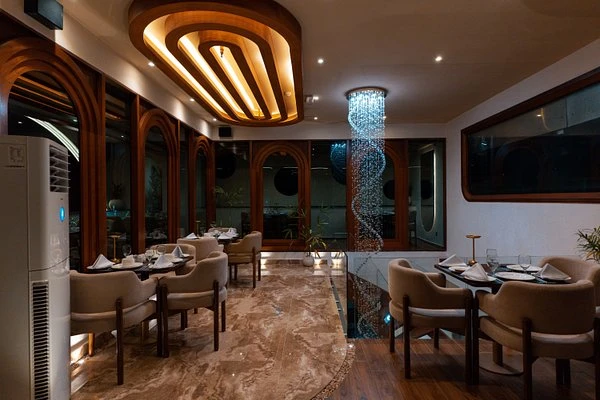
One of the first differences guests notice in a fine dining restaurant is the atmosphere. The environment is intentionally designed to influence how people feel from the moment they arrive.
Lighting is softer and more carefully balanced. Seating arrangements prioritise comfort and privacy. Music is chosen to complement conversation rather than dominate the room. Interior design, textures, table settings, and even scent all contribute to the overall ambience.
In ordinary restaurants, the atmosphere is often functional and designed for efficiency. In fine dining, it becomes an essential part of the experience itself.
For guests seeking fine dining in Queenstown, this often includes beautifully designed dining spaces combined with scenic lake or mountain views that elevate the evening beyond the food alone.
Service Operates on a Completely Different Level
Perhaps the most noticeable distinction between fine dining and casual restaurants is the level of service.
Fine dining staff are trained extensively not only in hospitality but also in menu knowledge, wine pairing, ingredient sourcing, and guest interaction. Service becomes polished, attentive, and highly coordinated.
Small details make a significant difference:
- Water glasses are refilled discreetly
- Courses arrive with careful timing
- Plates are cleared smoothly
- Staff anticipate guests' needs before being asked
- Menu items are explained confidently and clearly
Rather than feeling rushed, diners feel guided through the experience at a comfortable pace. This level of professionalism creates a sense of occasion that standard restaurants rarely achieve.
Ingredient Quality Becomes a Priority
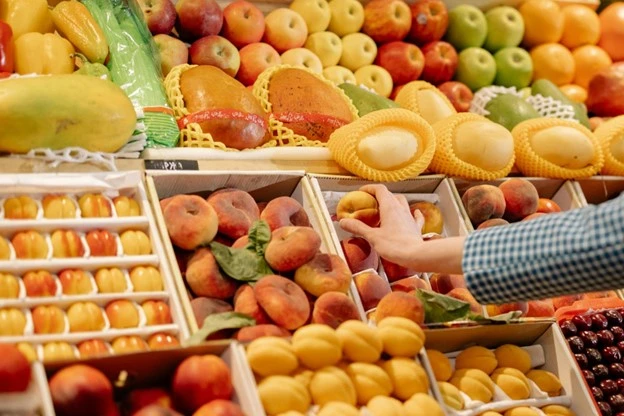
Fine dining restaurants typically place enormous importance on sourcing premium ingredients. Freshness, seasonality, provenance, and quality often sit at the centre of the culinary philosophy.
Many fine dining kitchens work closely with local farmers, seafood suppliers, butchers, and artisan producers to ensure ingredients meet exceptionally high standards.
This commitment to quality affects every part of the meal:
- Flavours feel cleaner and more balanced
- Textures become more refined
- Presentation improves naturally
- Dishes feel more carefully composed
For diners exploring the best food places in Queenstown, ingredient quality is often one of the defining features that separates outstanding restaurants from ordinary ones.
Presentation Becomes Part of the Dining Experience
In casual dining environments, presentation is usually practical and straightforward. Fine dining approaches presentation differently. Every dish is designed not only to taste exceptional but also to look visually refined.
Chefs carefully consider:
- colour contrast
- plate composition
- portion placement
- garnish balance
- texture variation
The result is food that feels crafted rather than simply prepared. Visual presentation creates anticipation and excitement before the first bite is even taken.
This artistic approach to plating contributes significantly to why fine dining feels more immersive and memorable.
Fine Dining Encourages Guests to Slow Down
Modern life often feels rushed, and many ordinary restaurants are designed around speed and table turnover. Fine dining intentionally moves in the opposite direction.
Meals are paced carefully, allowing guests time to enjoy conversation, appreciate each course, and fully experience the evening. Instead of simply eating quickly and leaving, diners are encouraged to relax and engage with the experience.
This slower pace changes how people interact with food, company, and atmosphere. It creates a sense of occasion that many people increasingly value.
For visitors searching online for dinner places near me, fine dining often stands out because it offers something more immersive than a standard night out.
Attention to Detail Defines Fine Dining
The true hallmark of fine dining is consistency across every detail, no matter how small.
Guests may not consciously notice every element, but collectively these details shape the overall experience:
- perfectly polished cutlery
- spotless glassware
- balanced table spacing
- precise food temperatures
- coordinated service timing
- carefully selected crockery
- curated wine lists
Ordinary restaurants may perform some of these elements well, but fine dining focuses on maintaining excellence across all of them simultaneously.
That consistency creates trust, professionalism, and a feeling of quality throughout the entire evening.
Final Thought
Fine dining feels completely different from everyday restaurants because it is designed to deliver far more than food alone. Every element — service, atmosphere, presentation, pacing, and ingredient quality — works together to create an experience that feels refined, memorable, and carefully considered. While ordinary restaurants focus primarily on convenience, fine dining focuses on creating moments people genuinely remember. For diners seeking the best food places in Queenstown, fine dining continues to stand apart because it transforms a simple meal into an occasion that feels truly special from beginning to end.


















Sign in to leave a comment.