
In today’s fast-moving market, businesses are constantly looking for packaging solutions that are cost-effective, lightweight, sustainable, and visually appealing. This is where flexible packaging is making a significant impact. Over the last few years, flexible packaging has rapidly gained popularity across industries such as food, pharmaceuticals, personal care, and retail.
Unlike traditional rigid packaging, flexible packaging is designed using materials like plastic films, foil, and paper that can easily bend or change shape. This type of packaging offers numerous benefits including lower transportation costs, improved product protection, and better shelf appeal.
As businesses in flexible packaging in India continue to innovate, companies like Whitelotus Industries are helping brands adopt modern packaging solutions that meet both consumer demands and sustainability goals.
Growing Demand for Flexible Packaging
The demand for flexible packaging has been growing steadily across the globe, and flexible packaging in India is also experiencing rapid growth. Several factors are driving this trend.
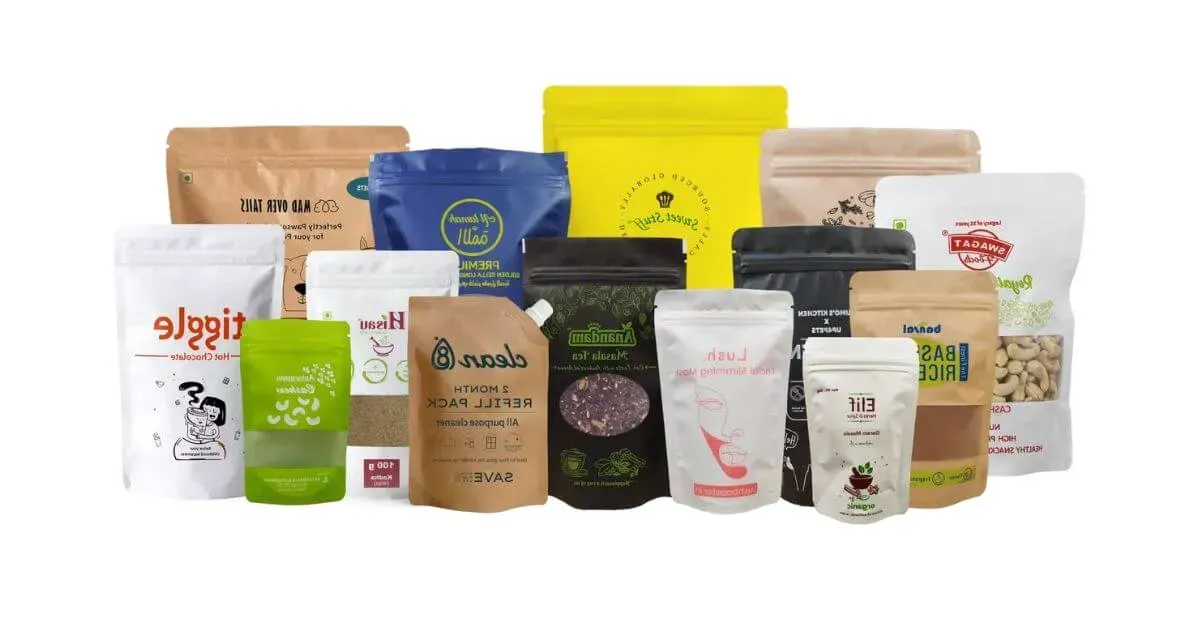
First, consumers today prefer convenient packaging that is easy to carry, store, and use. Flexible packaging offers features like resealable zippers, tear notches, and lightweight materials, making it highly user-friendly.
Second, businesses are focusing on reducing logistics costs. Flexible packaging weighs significantly less than rigid packaging, which reduces shipping expenses and storage space.
Third, e-commerce growth has increased the need for durable and protective packaging. Flexible packaging provides strong barrier protection against moisture, air, and contamination, ensuring products reach customers safely.
Companies like Whitelotus Industries are playing an important role in meeting this growing demand by offering high-quality flexible packaging solutions tailored for different business needs.
Key Benefits of Flexible Packaging
Flexible packaging offers several advantages that make it an ideal choice for modern businesses.
1. Lightweight and Cost-Effective
Flexible packaging materials are lighter than traditional packaging like glass or metal containers. This reduces manufacturing costs and lowers transportation expenses.
2. Excellent Product Protection
Flexible packaging provides strong barrier properties that protect products from moisture, oxygen, light, and contamination. This helps extend the shelf life of products.
3. Attractive Branding Opportunities
With advanced printing technology, flexible packaging allows businesses to create visually appealing designs that attract customers and strengthen brand identity.
4. Space Efficient
Flexible packages require less storage space compared to rigid packaging. This makes handling and transportation easier for manufacturers and retailers.
5. Versatile Applications
Flexible packaging can be used for a wide range of products including food, beverages, cosmetics, pharmaceuticals, and household goods.
These benefits are one of the main reasons why flexible packaging in India is becoming the preferred choice for many industries.
Sustainability and Eco-Friendly Packaging
Sustainability is one of the biggest concerns in the modern packaging industry. Businesses and consumers are both looking for environmentally responsible packaging solutions.
Flexible packaging contributes to sustainability in several ways. It uses fewer raw materials compared to rigid packaging and requires less energy during production. Additionally, the lightweight nature of flexible packaging reduces fuel consumption during transportation.
Many companies are also developing recyclable and biodegradable flexible packaging materials to minimize environmental impact.
Organizations like Whitelotus Industries are working towards providing sustainable packaging solutions that help businesses reduce their carbon footprint while maintaining product quality and safety.
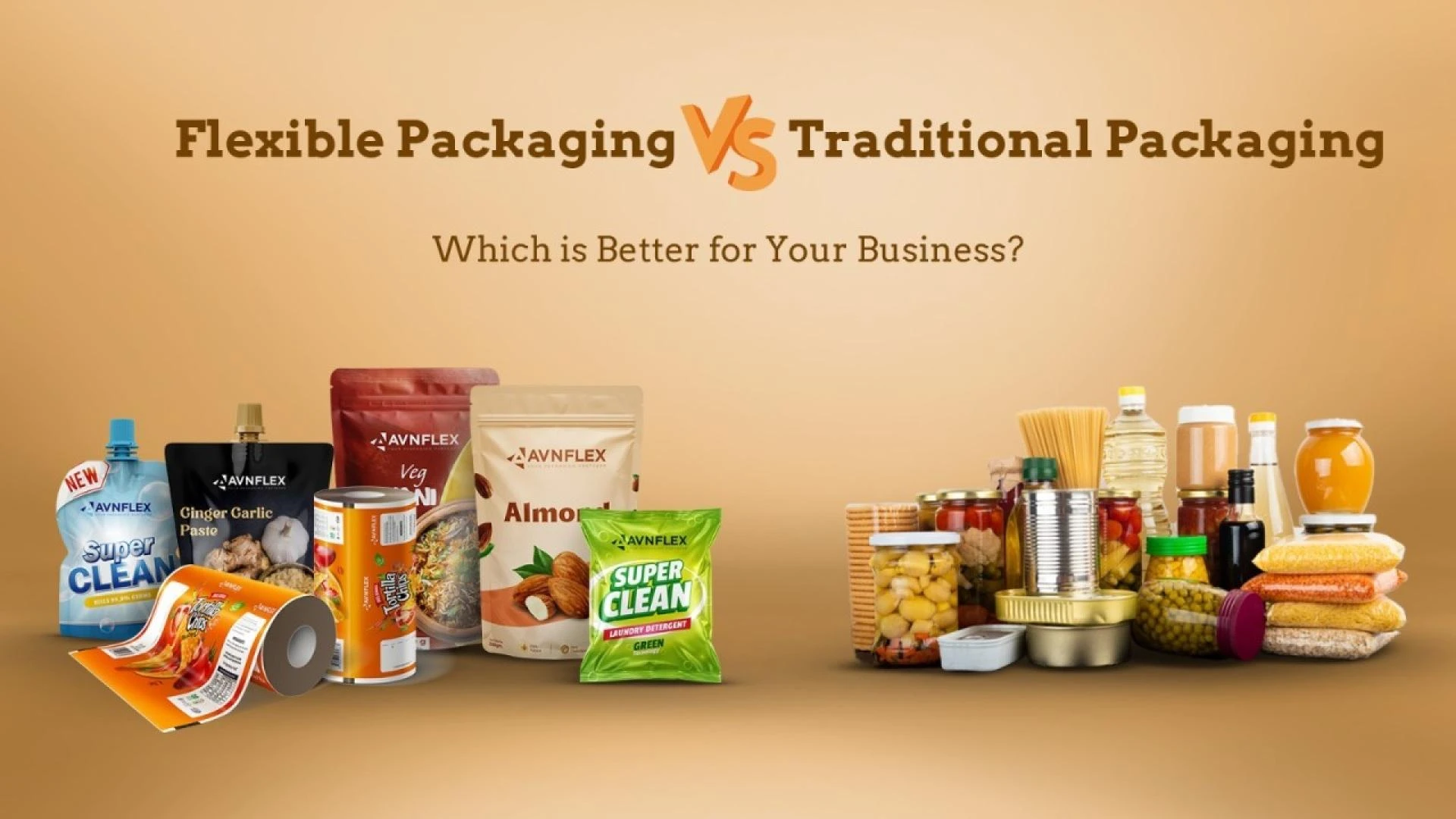
Flexible Packaging vs Traditional Packaging
When comparing flexible packaging with traditional packaging such as glass, metal, or rigid plastic containers, the advantages of flexible packaging become clear.
Traditional packaging is usually heavier, requires more storage space, and often leads to higher transportation costs. It can also be more expensive to manufacture and distribute.
On the other hand, flexible packaging offers greater design flexibility, lower production costs, and better efficiency in shipping and storage.
Additionally, flexible packaging allows businesses to experiment with innovative packaging formats that improve user convenience and brand presentation.
This is why many companies are transitioning to flexible packaging in India to stay competitive in the evolving market.
Conclusion
Flexible packaging is transforming the packaging industry by offering innovative, cost-effective, and sustainable solutions for modern businesses. Its lightweight design, versatility, and excellent product protection make it an ideal packaging choice across multiple industries.
As the demand for flexible packaging in India continues to rise, businesses are increasingly adopting this packaging format to improve efficiency and meet consumer expectations.
With experienced manufacturers like Whitelotus Industries delivering high-quality flexible packaging solutions, companies can confidently embrace the future of packaging while enhancing their brand value and sustainability efforts.



























Sign in to leave a comment.