

Fluoride is a mineral that plays a crucial role in maintaining good oral health. It has been widely recognized for its ability to prevent tooth decay, strengthen tooth enamel, and promote overall dental well-being. In Ventura, fluoride treatments are commonly offered in dental offices to help patients of all ages protect their teeth from cavities and other oral health issues. In this article, we’ll explore why fluoride treatment ventura is so important for oral health, how it works, and the many benefits it provides.
What Is Fluoride Treatment?
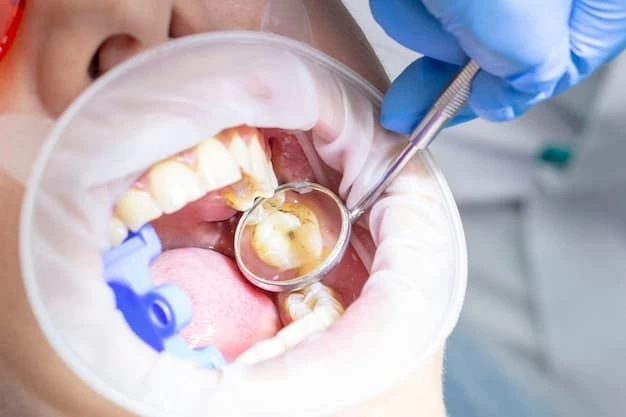
Fluoride treatment is a dental procedure in which a concentrated form of fluoride is applied to the teeth to help protect them from decay. Fluoride is a naturally occurring mineral that strengthens tooth enamel and can even reverse early stages of tooth decay by remineralizing the enamel. Fluoride treatments are typically applied topically in the form of a gel, foam, varnish, or rinse during a visit to the dentist.
The Role of Fluoride in Oral Health
Fluoride’s primary role in oral health is to prevent tooth decay, but it also helps in several other ways. By being absorbed into the enamel, fluoride helps make teeth more resistant to acids produced by bacteria in the mouth. This process also makes enamel more resistant to the decay process, keeping teeth stronger and healthier.
Different Types of Fluoride Treatments
Fluoride treatments come in various forms, including:
- Fluoride Varnish: A sticky, clear coating applied directly to the teeth, typically used for children or individuals with sensitive teeth.
- Fluoride Gel or Foam: Often applied during a dental cleaning, this fluoride treatment is typically placed in a tray that is worn over the teeth for a few minutes.
- Fluoride Rinse: Used as a mouthwash to provide fluoride protection, often recommended for patients who are at higher risk of tooth decay.
The Benefits of Fluoride Treatment
Fluoride treatment is a simple and effective way to enhance oral health. The benefits go beyond just cavity prevention and include a variety of other positive effects for both children and adults.
Preventing Tooth Decay
One of the most well-known benefits of fluoride treatment is its ability to prevent tooth decay. When fluoride is applied to the teeth, it strengthens the enamel, making it more resistant to the acids that cause cavities. Fluoride can also repair the early stages of decay by remineralizing the tooth enamel before it progresses into a full-fledged cavity.
Protection for High-Risk Patients
Fluoride treatments are particularly beneficial for individuals who are at a higher risk of developing cavities, such as children, individuals with braces, or those with dry mouth. For these patients, fluoride treatments provide an added layer of protection against decay, helping to keep their teeth healthy and cavity-free.
Reversing Early Stages of Decay
In some cases, fluoride can even reverse early signs of tooth decay. When cavities are in their initial stages and haven’t yet caused a hole in the tooth, fluoride can remineralize the weakened enamel, making it harder and more resistant to future decay. This is especially important for children and adults who may have small spots of decay that can be healed with the help of fluoride.
Strengthening Tooth Enamel
Enamel is the hard, outer layer of the tooth that provides a protective barrier against bacteria, food, and acids. Fluoride works by strengthening this layer, making it more resistant to erosion caused by acids in the mouth. This is particularly important as acidic foods and drinks, such as citrus fruits and soda, can wear away the enamel over time. By strengthening the enamel, fluoride helps to prevent tooth sensitivity and decay caused by enamel erosion.
Reducing Tooth Sensitivity
Tooth sensitivity can occur when the enamel on the teeth becomes worn or damaged, exposing the underlying dentin. Fluoride treatments help to fortify the enamel and reduce sensitivity by sealing the tubules in the dentin, making it less prone to reacting to temperature changes or certain foods. For those who suffer from tooth sensitivity, fluoride treatment can provide significant relief and make everyday eating and drinking more comfortable.
A Cost-Effective Preventive Measure
Preventing tooth decay and its associated complications with fluoride treatments can save patients from costly dental procedures down the road. Restorative treatments such as fillings, crowns, or root canals can be expensive and time-consuming. By investing in fluoride treatments as a preventive measure, individuals can reduce their risk of developing cavities and avoid the need for more expensive dental interventions in the future.
Who Should Receive Fluoride Treatment?
Fluoride treatments are beneficial for a wide range of people, including children, adults, and seniors. However, certain groups may benefit more from fluoride applications based on their specific oral health needs.
Children and Adolescents
Fluoride treatments are especially important for children and adolescents, as their teeth are still developing and are more susceptible to decay. The application of fluoride varnish or gel can help strengthen developing enamel and protect against cavities. Additionally, fluoride treatment can help those who may not yet have mastered effective brushing and flossing techniques, as it provides an extra layer of protection against decay.
Fluoride and Permanent Teeth
For children, fluoride treatment is often applied once their permanent teeth begin to erupt, usually around the age of 6. Regular fluoride treatments during this time help to fortify these teeth, ensuring that they are strong and resistant to decay throughout life.
Adults at High Risk for Cavities
Adults who have an increased risk of tooth decay such as those with dry mouth, frequent snacking habits, or a history of cavities can greatly benefit from fluoride treatments. Dry mouth, for example, can occur as a side effect of certain medications or health conditions, reducing the amount of saliva needed to neutralize acids in the mouth. Fluoride treatments help protect the teeth of individuals with dry mouth by strengthening enamel and preventing cavities.
Seniors and Those with Receding Gums
As people age, their gums naturally begin to recede, exposing the root surfaces of the teeth. These root surfaces are not covered by enamel and are more susceptible to decay. Fluoride treatments can help strengthen these areas, providing added protection to the tooth roots. Additionally, seniors who wear dentures or have multiple dental restorations may benefit from fluoride treatments to maintain overall oral health.
How Is Fluoride Treatment Done?
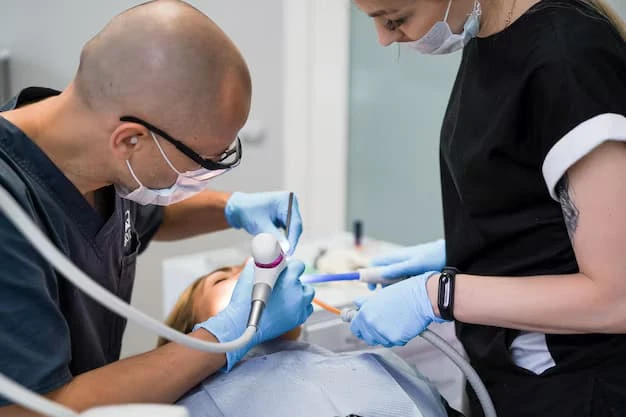
Fluoride treatment is a quick and simple procedure, typically performed during a routine dental visit. Here’s what you can expect during the treatment process:
1. Cleaning the Teeth
The process begins with a professional cleaning of the teeth to remove plaque, tartar, and debris from the tooth surface. This ensures that the fluoride can effectively bond to the enamel.
2. Application of Fluoride
Once the teeth are clean and dry, the dentist or hygienist will apply the fluoride treatment. Depending on the form of fluoride being used, it may be in the form of a varnish, gel, foam, or rinse. The treatment is carefully applied to each tooth, ensuring that it covers all surfaces that are at risk of decay.
3. Setting the Fluoride
If using fluoride varnish, the dentist will allow the varnish to dry and harden on the teeth, ensuring that it stays in place for maximum effectiveness. If fluoride gel or foam is used, a tray may be placed over the teeth for several minutes to allow the fluoride to be absorbed.
4. Post-Treatment Care
After the treatment, patients are generally advised to avoid eating, drinking, or rinsing their mouths for at least 30 minutes to allow the fluoride to fully absorb into the teeth. This helps to ensure that the fluoride has the greatest possible effect on strengthening and protecting the enamel.
Is Fluoride Treatment Safe?
Fluoride treatments are safe when applied by a dental professional and used as directed. While fluoride is beneficial for oral health, excessive exposure to fluoride can lead to a condition called dental fluorosis, which can cause white spots or streaks on the teeth. However, this condition typically only occurs in children who are exposed to high levels of fluoride during the early stages of tooth development. In professional dental settings, fluoride is applied in controlled amounts to ensure safety and effectiveness.
Conclusion
Fluoride treatment is an essential preventive measure for maintaining healthy teeth and protecting against tooth decay. Whether for children, adults, or seniors, fluoride treatments provide numerous benefits, including cavity prevention, enamel strengthening, and relief from tooth sensitivity. By incorporating fluoride into your oral care routine, you can significantly reduce the risk of cavities and promote long-term oral health.
For more information about fluoride treatments and to determine if they’re right for you, visit Clove Dental Ventura. Our experienced team is here to help you achieve a healthy, beautiful smile.





























Sign in to leave a comment.