
The world of food delivery has undergone a significant transformation with the advent of mobile technology. Food delivery apps have revolutionized the way people order and receive their favorite meals, making the process more convenient and efficient. This article dives into the realm of food delivery app development, exploring the market trends, key features, and functionality that define successful apps. Whether you are a business owner looking to venture into the food delivery industry or a developer interested in creating a food delivery app, this comprehensive guide will provide valuable insights and step-by-step guidance to help you navigate the exciting world of food delivery app development.
Understanding the Rise of Food Delivery Apps
In this era of convenience, it's no surprise that food delivery apps have become a staple in many people's lives. Gone are the days of digging through piles of takeout menus or waiting in long lines at restaurants. With just a few taps on your smartphone, a hot and delicious meal can be delivered right to your doorstep. The rise of food delivery apps can be attributed to the growing demand for fast and efficient food delivery services.
Benefits of Developing a Food Delivery App
For aspiring entrepreneurs in the food industry, developing a food delivery app can open up a world of opportunities. Not only does it provide a platform for restaurants and eateries to reach a wider customer base, but it also offers convenience and flexibility to consumers. By investing in a food delivery app, you can tap into the growing market of online food ordering and delivery, streamline operations, and enhance the overall customer experience.
2. Market Trends and Opportunities in Food Delivery Industry
Growth of the Food Delivery Industry
The food delivery industry has experienced significant growth over the past few years, and the trend shows no signs of slowing down. With busy lifestyles and the increasing preference for online ordering, consumers are turning to food delivery services more than ever before. This presents a lucrative opportunity for businesses to capitalize on the demand and establish themselves in the market.
Emerging Market Trends and Consumer Preferences
As the food delivery industry continues to evolve, it's important to stay on top of emerging market trends and consumer preferences. From healthy meal options and customizable menus to eco-friendly packaging and contactless delivery, customers are seeking more than just convenient food delivery. By incorporating these trends into your app's features and offerings, you can stay ahead of the competition and cater to the evolving needs of your target audience.
3. Key Features and Functionality of Food Delivery Apps
User Registration and Login
To ensure a seamless user experience, your app should provide a user-friendly registration and login process. This allows customers to create accounts, save their preferences, and track their order history.
Menu and Ordering System
A comprehensive menu and ordering system is crucial for a successful food delivery app. It should showcase the available food options with vibrant images, detailed descriptions, and customizable preferences. Customers should be able to add items to their cart, make modifications, and specify delivery instructions.
Real-Time Order Tracking
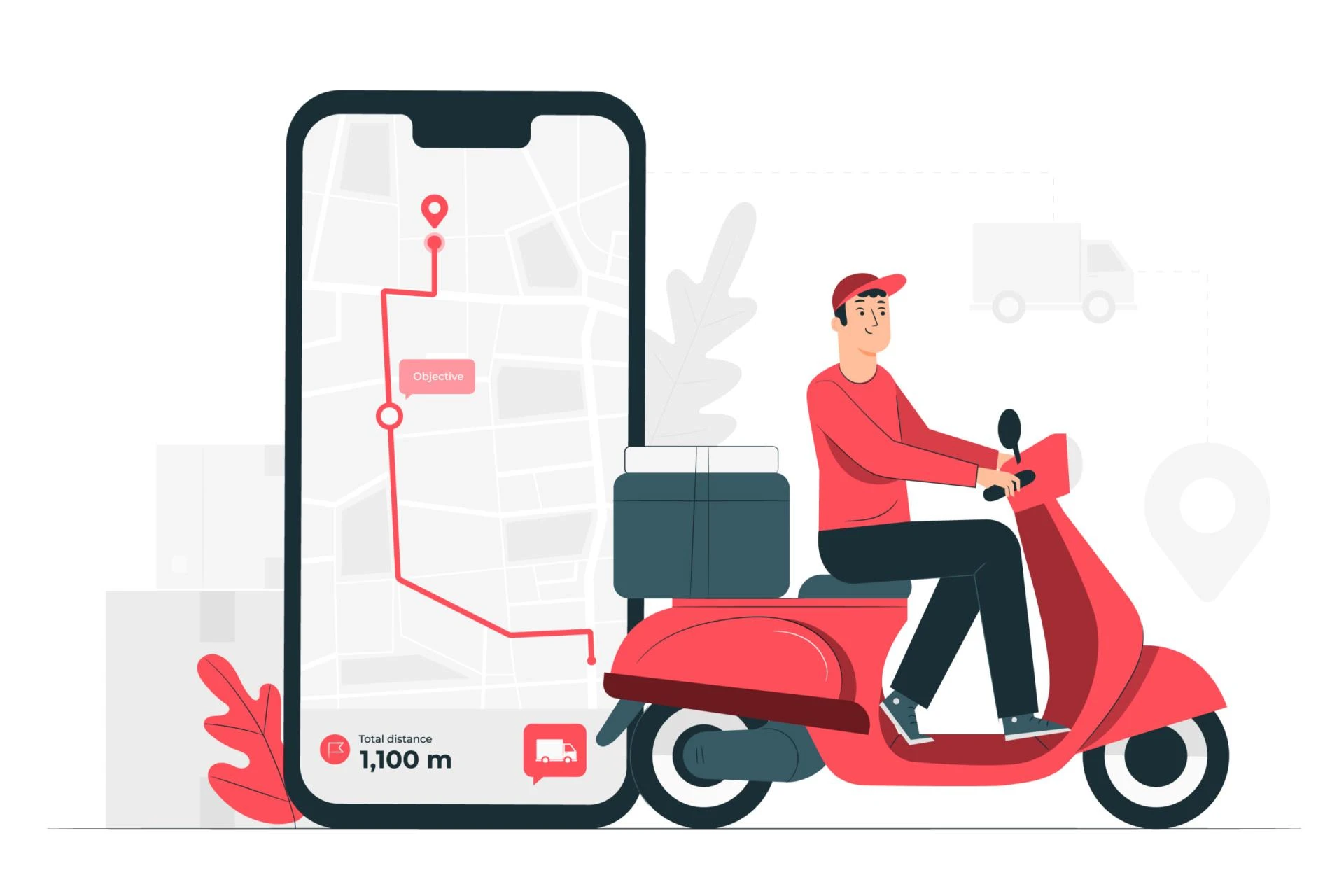
One of the most loved features of food delivery apps is real-time order tracking. Customers should be able to track the progress of their order, from the moment it is confirmed to the time it arrives at their doorstep. This feature provides transparency and peace of mind to customers, eliminating the anxiety of wondering about the status of their delivery.
Payment Integration
Seamless and secure payment integration is essential for a successful food delivery app. Customers should have the option to pay using various methods, such as credit/debit cards, digital wallets, or cash on delivery. The payment process should be quick, secure, and hassle-free.
Rating and Review System
To build trust and maintain the quality of service, incorporating a rating and review system is crucial. Customers should be able to provide feedback and rate their experience with the restaurant and delivery service. This helps other customers make informed decisions and allows you to continually improve your app's offerings.
4. Step-by-Step Guide to Developing a Food Delivery App
Market Research and Planning
Before diving into development, conduct thorough market research to identify your target audience, competitors, and market trends. Plan your app's features, target market, and marketing strategy accordingly.
Choosing the Right Technology Stack
Selecting the right technology stack is vital for a smooth and efficient development process. Consider factors such as scalability, security, and compatibility when choosing the programming languages, frameworks, and libraries for your app.
Wireframing and Prototyping
Create wireframes and prototypes to visualize the user interface and overall flow of your app. This step helps identify any usability issues and allows for iterative improvements before moving on to development.
Backend and Database Development
Develop the backend architecture and set up a robust and scalable database to handle user data, menu information, orders, and other app functionalities. Ensure secure data storage and retrieval.
Frontend Development and UI Design
Design an intuitive and visually appealing user interface that aligns with your brand identity. Implement the frontend functionality, including user registration, menu browsing, ordering, and order tracking.
Testing and Quality Assurance
Thoroughly test your app's features, functionalities, and user flows to ensure a bug-free and smooth user experience. Perform both manual and automated testing, and gather feedback from real users to make necessary improvements.
With these steps and a sprinkle of passion, your food delivery app can become the next big thing in the industry. So, dig in and start turning those tasty ideas into a reality!
5. User Interface and User Experience (UI/UX) Design for Food Delivery Apps
When it comes to food delivery apps, the first bite is taken by the user interface and user experience (UI/UX) design. A well-designed app can make ordering food as smooth as butter, while a clunky design can leave users feeling as frustrated as a chef with a dull knife. So, why is UI/UX design so important for food delivery apps?
Importance of User-Centric Design
User-centric design puts the user at the heart of the development process. It considers their needs, preferences, and habits to create an app that is easy to navigate and visually appealing. When it comes to food delivery apps, users expect a seamless experience from start to finish. By understanding their expectations and designing with empathy, you can create an app that delights hungry customers.
Designing a Seamless User Flow
A key ingredient for a successful food delivery app is a seamless user flow. Users should be able to browse through menus, select items, customize their order, choose a delivery address, and complete the payment process with ease. By streamlining this process and eliminating unnecessary steps, you can create a user flow that feels like a breeze and keeps customers coming back for seconds.
Creating Intuitive Navigation
Just like a well-organized pantry, intuitive navigation helps users find what they're looking for without rummaging around. A clear and easy-to-use navigation menu allows users to explore different sections of the app effortlessly. Simple icons, logical categorization, and a search feature can all contribute to a user-friendly experience.
Optimizing for Different Devices and Platforms
We live in a world where people use smartphones, tablets, and even smartwatches to order their favorite meals. To satisfy the hunger of users on different devices and platforms, it's crucial to optimize the app's design and functionality. From responsive layouts that adapt to different screen sizes to platform-specific design guidelines, making your app look and work great across various devices will leave users with a full and satisfied appetite for your service.
6. Integrating Payment Gateway and Tracking Systems in Food Delivery Apps
Once the orders are placed, it's time to handle the financial side of things and keep customers informed about their food's journey. Let's dig into the importance of integrating payment gateway and tracking systems in food delivery apps.
Secure and Convenient Payment Solutions
When it comes to money, security is a priority. Integrating a reliable and secure payment gateway ensures that users can confidently make transactions within the app. Offering various payment options, such as credit cards, digital wallets, or even cash on delivery, adds convenience and caters to different user preferences.
Ensuring Real-Time Order Tracking and Notifications
Waiting for food can feel like an eternity, especially when hunger strikes. Real-time order tracking and notifications come to the rescue by keeping users in the loop about their order's progress. From confirming the order to updating delivery status, timely notifications can prevent anxious hunger meltdowns and leave users feeling informed and cared for.
Implementing Delivery Partner Integration
In the food delivery industry, delivery partners are the unsung heroes who make sure meals arrive hot and on time. Integrating delivery partner services into the app helps optimize the delivery process. From assigning orders to drivers to tracking their location, seamless integration ensures smooth coordination between the app, restaurants, and delivery partners, resulting in a satisfied customer and a delicious meal.
7. Challenges and Solutions in Food Delivery App Development
Just like cooking a perfect meal, developing a food delivery app comes with its own set of challenges. Let's explore some common hurdles and the secret ingredients to overcome them.
Addressing Logistics and Delivery Challenges
Making sure the food reaches the right place at the right time can seem like a culinary balancing act. Addressing logistics and delivery challenges requires careful planning and coordination. Optimizing delivery routes, managing courier availability, and implementing real-time tracking systems can help overcome these challenges and ensure a smooth delivery process.
Dealing with Multilingual and Multi-Currency Support
Food is a universal language, and it's important to cater to a diverse audience. Offering multilingual support allows users to interact with the app in their preferred language, creating a personalized experience. Similarly, supporting multiple currencies simplifies the ordering process for international customers. By incorporating language and currency options, you can satisfy taste buds from around the globe.
Maintaining Data Security and Privacy
Just like a secret recipe, customer data should be kept safe and only shared with those who need to know. Maintaining data security and privacy is crucial to gaining and retaining customer trust. By implementing robust security measures, complying with data protection regulations, and providing transparent privacy policies, you can ensure that customer information is protected like a treasured family recipe.
8. Marketing and Launch Strategies for Food Delivery Apps
Now that you've cooked up a delicious food delivery app, it's time to serve it to the hungry masses. Here are some marketing and launch strategies to get your app noticed in the crowded food delivery space.
Identifying Target Audience and Market Segmentation
Before going full steam ahead with your marketing efforts, it's important to identify your target audience. Are you catering to busy professionals, college students, families, or a specific cuisine enthusiast? Understanding your audience's preferences, habits, and pain points will help you craft targeted marketing messages and reach your ideal customers.
App Store Optimization (ASO) and SEO Strategies
When it comes to app discovery, being at the top of the menu is essential. App Store Optimization (ASO) and Search Engine Optimization (SEO) are the secret sauces to boost your app's visibility. Optimizing your app's metadata, incorporating relevant keywords, and generating positive reviews can all contribute to higher search rankings and more app downloads.
Social Media Marketing and
In today's digital age, social media is the perfect platform to connect with hungry customers. Utilize social media marketing to showcase mouthwatering food photos, promote special deals and discounts, and engage with your audience. From creating viral food challenges to collaborating with influencers, social media can help spread the word about your app like melted cheese on a pizza.
With these strategies in your culinary repertoire, you're well-prepared to take on the competitive food delivery app market. So, go ahead and launch your app with confidence, and may you achieve success as satisfying as a well-cooked meal. Bon appétit!In conclusion, the development of a food delivery app presents immense opportunities in today's fast-paced and digitally interconnected world. By incorporating the right features, implementing user-centric design, and addressing the challenges that arise, you can create a powerful and successful food delivery app that meets the demands of both customers and businesses. With the market trends continuing to favor the growth of food delivery services, now is the time to embark on this journey and seize the potential that lies within. So, get ready to embark on your food delivery app development journey and join the thriving ecosystem of the food delivery industry.
FAQ for Food Delivery App Development
1. What are the key features that should be included in a food delivery app?
A successful food delivery app should include features such as user registration and login, menu and ordering system, real-time order tracking, payment integration, and a rating and review system. These features ensure a seamless and convenient experience for both customers and businesses.
2. How can I ensure the security of customer data in my food delivery app?
To ensure data security in your food delivery app, it is essential to implement robust encryption techniques, use secure payment gateways, and comply with relevant data protection regulations. Regular testing and security audits can help identify and address any vulnerabilities in the app.
3. How can I effectively market and promote my food delivery app?
To market and promote your food delivery app, you can utilize strategies such as app store optimization (ASO), search engine optimization (SEO), social media marketing, influencer collaborations, and partnerships with local restaurants. Identifying your target audience and crafting targeted marketing campaigns can also boost app visibility and user acquisition.
4. What are some common challenges in food delivery app development and how can they be overcome?
Common challenges in food delivery app development include logistics and delivery challenges, multilingual and multi-currency support, and data security concerns. To overcome these challenges, it is important to collaborate with reliable delivery partners, implement localization features, and prioritize data encryption and privacy measures. Conducting thorough market research and planning can also help anticipate and address potential challenges throughout the development process.





Sign in to leave a comment.