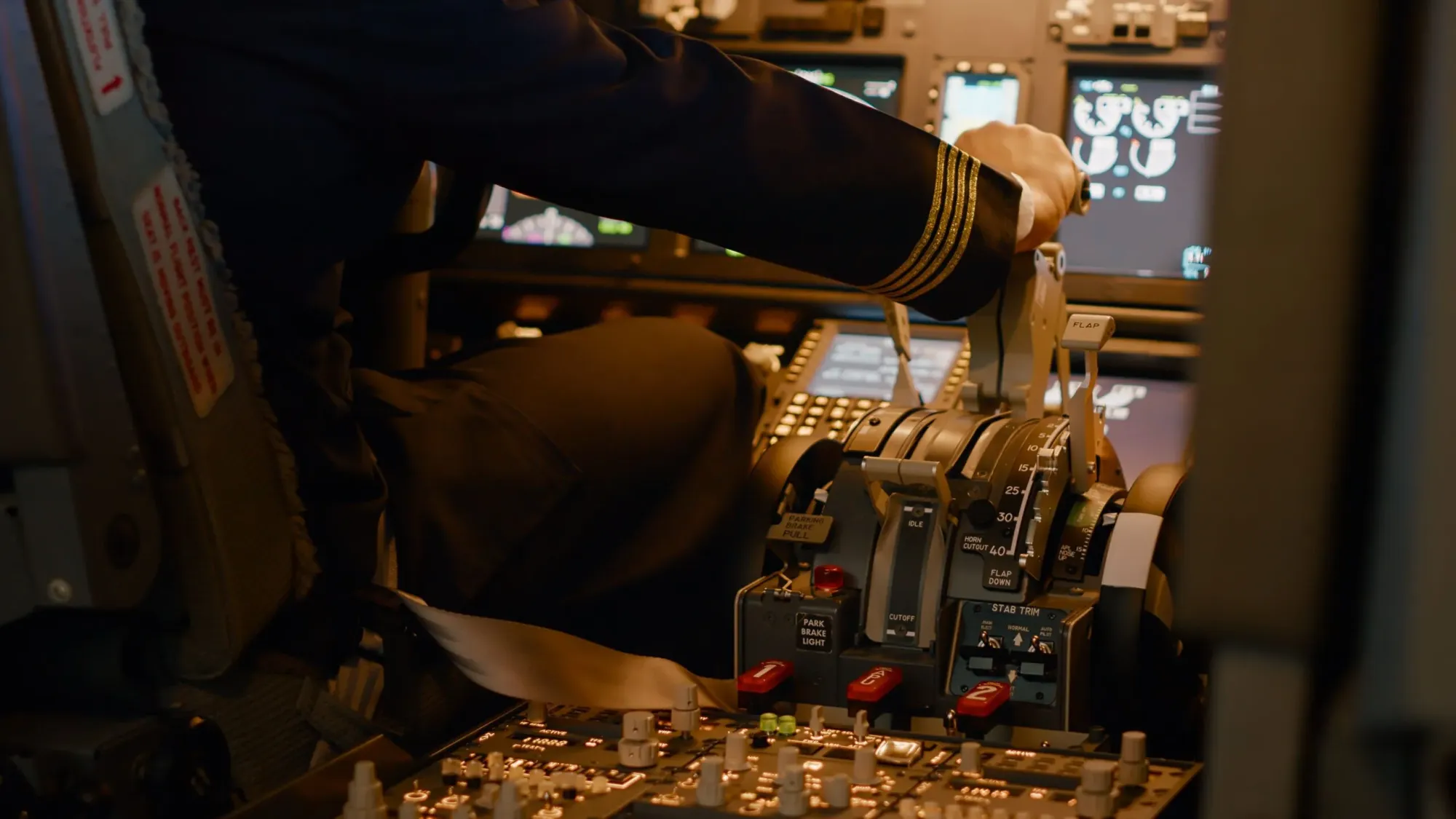

Modern aircraft use large numbers of electronic devices for communication, navigation, passenger convenience and operational efficiency. Reliable charging technology is now an essential part of the cabin infrastructure, from commercial airlines to private business jets and military aviation. But aviation environments are much more demanding than normal commercial environments. Extreme temperatures, vibration, altitude changes and continuous use require charging solutions that can perform reliably under pressure.
That is why harsh environment charging systems have become essential in aerospace applications. Aerospace USB charging systems are engineered to provide constant power, and are built to the highest standards of aviation safety and durability.
The Challenges of Aviation Environments
Common electronics can fail in the conditions under which aircraft cabins and onboard systems operate. Aviation charging devices must endure constant movement, varying temperatures and electrical interference without compromising performance or passenger safety.
Some of the Most Common Aerospace Challenges Are:
- Vibration during flight operations, ongoing
- Quick variations of height and pressure
- Exposure to extreme temperatures
- Limited maintenance options
- Stringent aerospace safety regulations
These factors mean off-the-shelf charging equipment cannot simply be used by aircraft operators. Ruggedized aerospace USB charging systems are engineered for reliable operation in the most severe operating conditions.
Today’s Reliability of Charging in Aviation
Passenger expectations have changed dramatically over the past few years. Passengers want to be seamlessly connected and have the ability to charge throughout the flight. Powered electronic devices are also used by flight crews and operators for communication and workflow.
Reliable charging technology has several key benefits:
Improved Passenger Experience
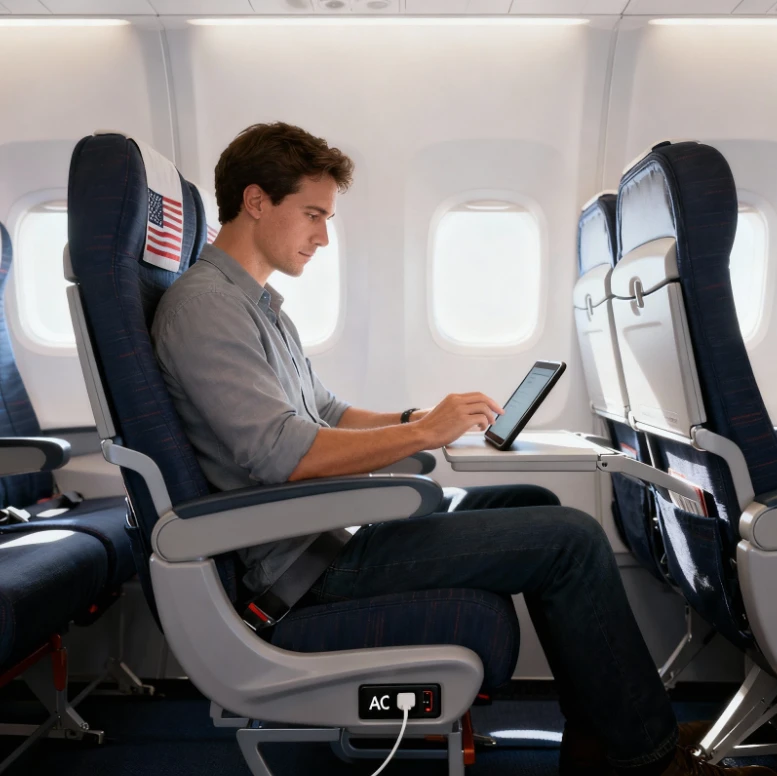
Passengers often use laptops, smartphones and tablets for work and entertainment on long-haul commercial flights or private aircraft. Reliable power availability improves overall satisfaction and contributes to a more productive travel experience.
More Efficient Operation
Flight crews and maintenance teams are increasingly using portable electronic devices during operations. Dependable charging systems ensure these devices are ready to use the entire trip.
Fewer Equipment Failures
Harsh environment charging solutions are built for durability, reducing the chances of system failures and minimizing maintenance costs in the long run.
Increasing Need for Aerospace Charging Devices for Business Jets
Business aviation technology has even higher expectations for onboard systems. Business travelers and private jet passengers demand high-quality cabin experiences and fast, reliable charging of their devices.
Modern aerospace charging devices for business jets are built to handle high-powered electronics while providing compact, lightweight designs for aircraft interiors. These systems deliver faster charging speeds and meet stringent aerospace certification requirements.
Business Jet Operators Also Benefit From:
- Better passenger comfort
- Higher aircraft price
- Reduced long-term maintenance costs
- Improved cabin usability
The evolution of the business aviation sector is anticipated to propel a sharp surge in the demand for aerospace charging devices for business jets across the global markets.
Aerospace Equipment Manufacturing Role
Improvements in charging technology for aviation applications have been greatly influenced by developments in aerospace equipment manufacturing. Manufacturers are now shifting their focus to lightweight, durable and high-performance systems that will meet the needs of today’s aircraft.
The Priorities of Today's Processes for Manufacturing Aerospace Equipment Are:
Safety Conformity
Safe operation in flight requires that each aircraft part must meet strict industry regulations and certification standards.
Durability and Dependability
Aerospace charging systems need to be able to continue working in difficult environmental conditions for long periods of time.
Power Supply Efficiency
Higher wattage is needed for charging systems in modern aircraft because of the advanced electronic devices and fast-charging technology that they need to support.
As aircraft technology evolves, the aerospace equipment manufacturing industry continues to drive innovation in onboard power systems and cabin electronics.
Salient Features of Harsh Environment Charging Systems
Today's aviation charging solutions include a variety of features built specifically for aerospace applications:
- Rugged construction for long-term durability
- Flight safety power supply systems
- USB rapid charging
- Small and lightweight designs
- Temperature change and vibration resistance
- Compliance with aviation safety standards
These features assist in providing consistent performance in demanding aerospace environments.
Future Directions in Aerospace Charging Technologies
The aviation industry is constantly modernizing aircraft cabins and onboard systems. Airlines and private operators are investing in upgrades to their technology that will make passengers more comfortable and their operations more efficient.
Future Developments in Aerospace USB Charging Systems Are Expected to Address:
- More rapid charging speeds
- More power output
- Greater energy efficiency
- Better safety surveillance
- More integration with smart cabin systems
In parallel, aerospace equipment manufacturing will keep developing innovative solutions to support evolving aircraft technologies.
Conclusion
Charging systems for harsh environments are now part of the infrastructure for modern aviation. Aircraft operators need robust solutions that can operate safely and consistently under demanding conditions. Beyond passenger convenience, sophisticated charging technology is critical to commercial and private aviation. It is critical to operational reliability.
As innovation continues across the industry, aerospace USB charging systems and aerospace charging devices for business jets will be an essential part of modern aircraft design. With the development of aerospace equipment manufacturing, aviation charging technology will also continue to evolve to meet the increasing demand of the aerospace industry.
Frequently Asked Questions
What are aerospace USB charging systems?
Aerospace USB charging systems are aviation-grade power solutions designed to safely charge electronic devices in commercial, military, and private aircraft environments.
Why are aerospace charging devices for business jets important?
Aerospace charging devices for business jets provide reliable high-speed charging, improving passenger comfort and supporting modern onboard connectivity needs.
How does aerospace equipment manufacturing improve charging technology?
Aerospace equipment manufacturing helps develop durable, lightweight, and flight-safe charging systems that meet strict aviation standards and performance requirements.
When should aircraft operators upgrade aerospace USB charging systems?
Aircraft operators should upgrade aerospace USB charging systems when existing cabin power solutions cannot support modern devices, fast charging, or long-term operational reliability.



























Sign in to leave a comment.