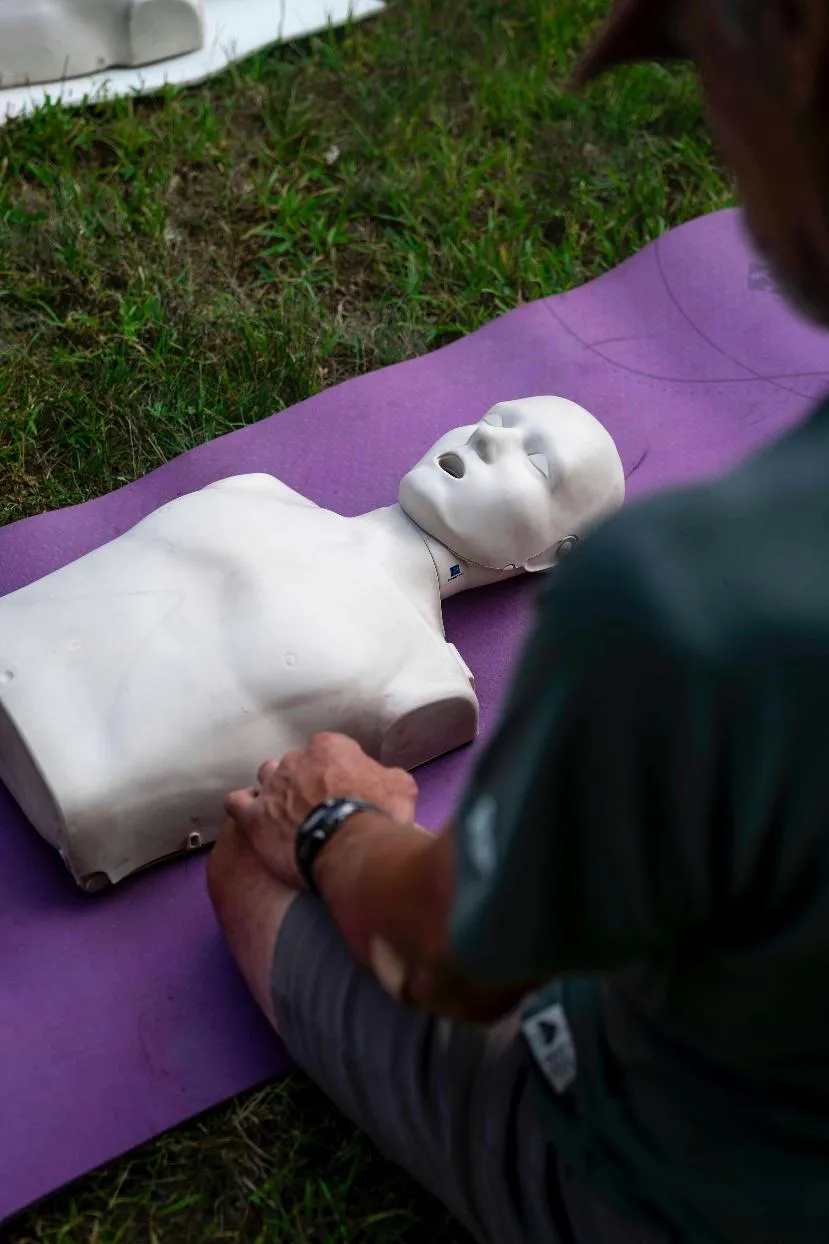

When a cardiac emergency unfolds, the difference between survival and loss often comes down to execution. Not just what is done, but how well it is done under pressure. While a single trained responder can make a difference, coordinated teams consistently produce better outcomes.
Modern resuscitation data reflects this clearly. Hospitals and emergency systems that emphasize team-based CPR protocols report higher survival rates, fewer errors, and faster intervention times. The reason is not simply more hands. It is structure.
The Limits of Individual Response
An individual performing CPR must manage everything at once. Recognizing cardiac arrest, calling for help, initiating compressions, preparing an AED, and monitoring the patient all compete for attention.
Fatigue sets in quickly, and even well-trained responders struggle to maintain consistent compression quality over time.
This is where team dynamics change the equation. By dividing responsibilities, teams maintain focus and sustain high-quality care. One person manages compressions, another prepares the AED, while another coordinates communication. Each role supports the others.
Training through a first aid and CPR course introduces these concepts early, even for non-clinical participants. It reinforces the idea that emergency response is rarely a solo effort.
Communication Is a Clinical Skill
In high-performance CPR teams, communication is not optional. It is structured, deliberate, and continuous. Clear instructions, repeated confirmations, and defined roles reduce confusion and prevent delays.
Studies in resuscitation science show that communication breakdowns are a leading cause of error during cardiac arrest management. Teams trained through American Heart Association courses, practice closed-loop communication to ensure every instruction is heard, understood, and executed.
This level of coordination is difficult to achieve without training. It must be practiced, refined, and reinforced over time.
Leadership Under Pressure
Every effective CPR team has a leader. Not someone who performs every task, but someone who directs the response, prioritizes actions, and maintains situational awareness.
Advanced programs such as an ACLS certification course place strong emphasis on leadership development. Participants learn how to assign roles, manage evolving conditions, and make rapid decisions based on patient response.
For healthcare providers, training through an AHA ACLS certification ensures alignment with current protocols while strengthening leadership skills that directly impact outcomes. This is why many professionals actively seek ACLS certification to maintain readiness.
Consistency Improves Outcomes
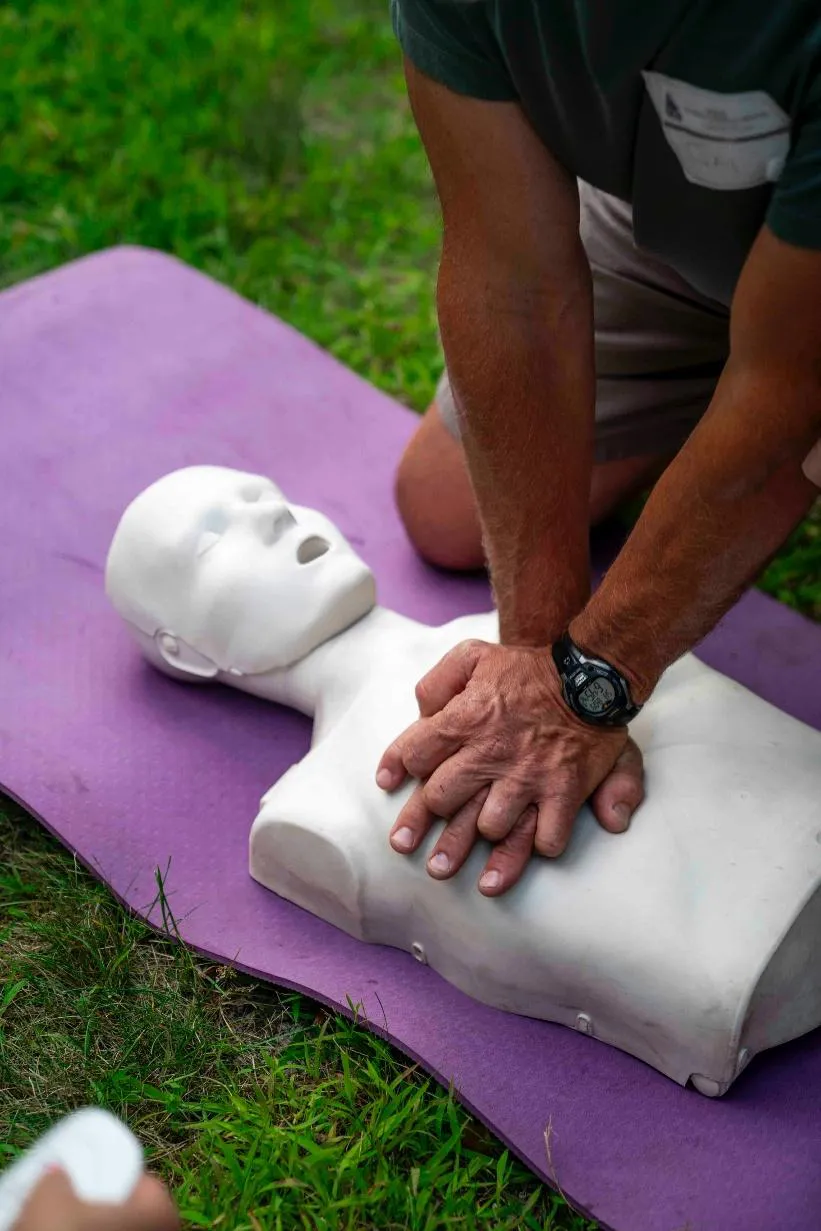
High-quality CPR requires consistent compression depth, rate, and minimal interruptions. In a team setting, individuals rotate roles to prevent fatigue and maintain performance standards.
This consistency is reinforced through training at a BLS certification institute. Regular refreshers ensure that skills remain sharp and aligned with evolving guidelines.
Pediatric and Specialized Team Response
Team dynamics become even more critical in pediatric emergencies. Children often present differently than adults, requiring rapid assessment and age-specific interventions.
Programs offered through a PALS certification institute prepare teams to adapt quickly. Options such as an online PALS certification course allow providers to stay current while balancing demanding schedules.
Training Translates to Real-World Performance
The difference between theory and practice becomes clear during real emergencies. Teams that train together respond faster, communicate better, and adapt more effectively when conditions change.
Community-level training also plays a role. Individuals attending CPR classes contribute to a broader network of prepared responders. Even outside clinical settings, coordinated action improves outcomes.
Why Teams Make the Difference
Cardiac emergencies are unpredictable, fast-moving, and unforgiving. No single person can manage every aspect perfectly. Teams, when properly trained, fill those gaps. They create redundancy, maintain quality, and reduce the likelihood of critical errors.
The shift toward high-performance CPR teams reflects a broader understanding of emergency care. Success is not just about individual skill. It is about coordination, clarity, and shared responsibility.
Strong Teams Save More Lives
Effective emergency response depends on more than knowledge. It depends on how well people work together when it matters most.
Find training programs that build real-world team performance and reach out to their team today.

























Sign in to leave a comment.