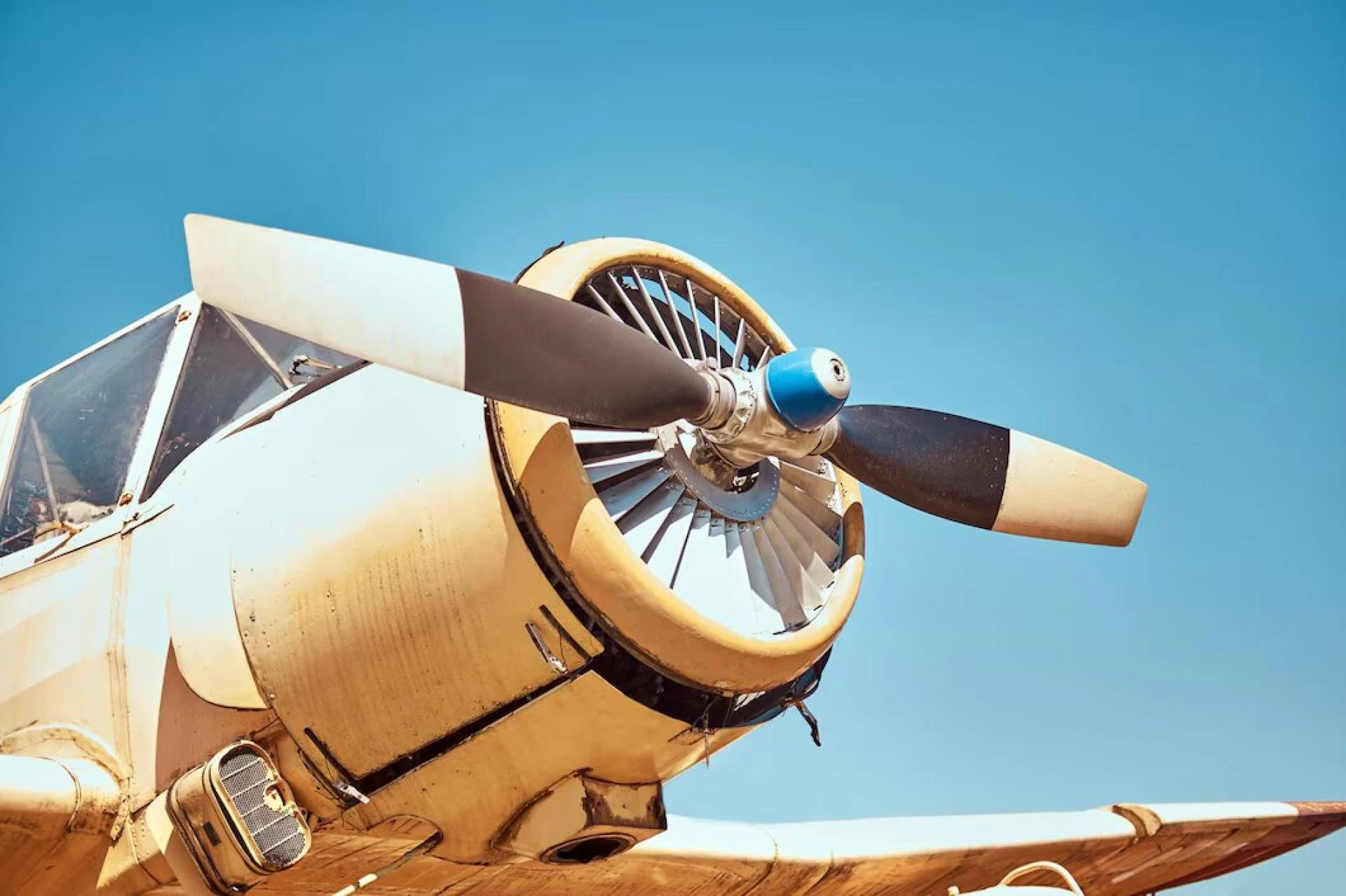

Aviation depends on precision, safety, and reliability. Every aircraft component plays a role in ensuring smooth and efficient operations. High-quality components improve performance, reduce risks, and extend an aircraft's lifespan. A small defect in any part can cause serious problems.

Therefore, using the best aircraft components is essential. This blog explores key aircraft parts and their impact on aviation. Understanding their function will highlight why quality matters. Let's take a closer look at some essential components and their importance in flight safety and performance.
Understanding Aircraft Components and Their Importance
1. Actuators
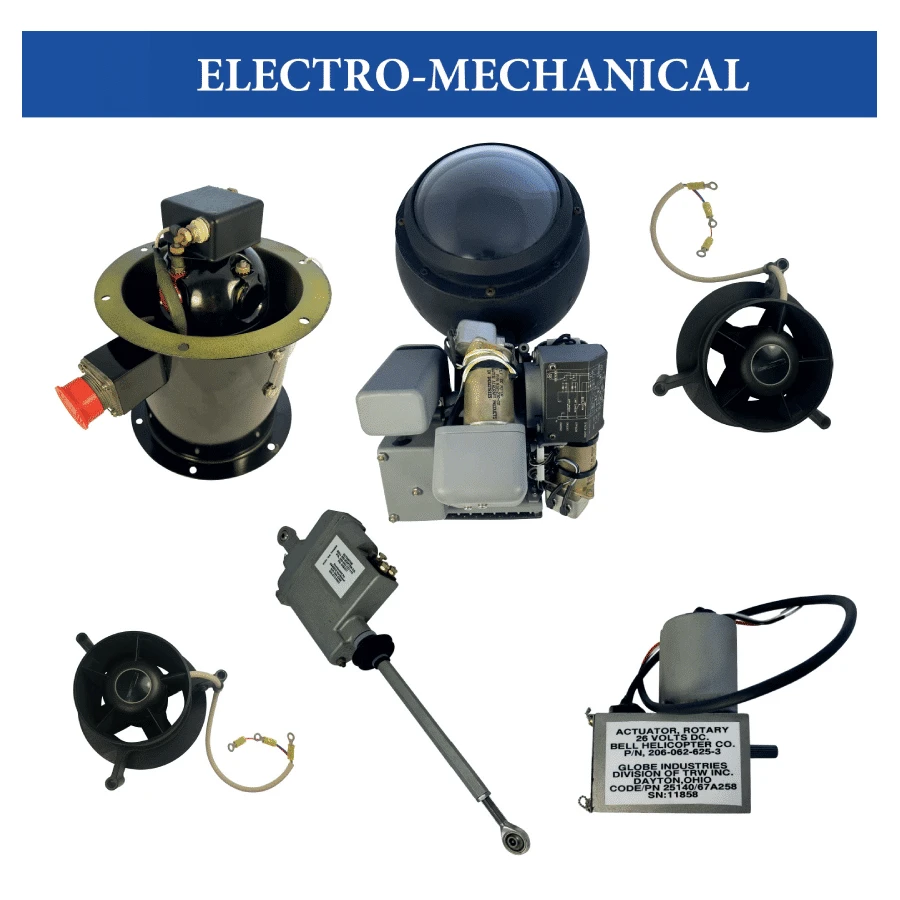
Aircraft actuators control movement in different parts of the aircraft. They manage functions like wing flaps, landing gear, and thrust reversers. High-quality actuators ensure smooth operations and quick response times. They help pilots maintain control in different flight conditions. Reliable actuators reduce mechanical failures and enhance passenger safety. Using low-quality actuators can lead to performance issues. They may cause slow response times or complete system failures. Regular maintenance and using the best materials keep actuators working efficiently. Investing in top-quality actuators improves flight stability and control.
2. Pumps
Aircraft pumps play a vital role in fuel, hydraulic, and cooling systems. These pumps help transfer fuel efficiently, ensuring a steady supply to the engines. Hydraulic pumps assist in operating landing gear, brakes, and flight controls. Cooling pumps help maintain optimal temperatures for engine performance. High-quality pumps ensure these systems work without disruption. Poor-quality pumps may cause leaks, pressure loss, or system failures. This can lead to in-flight emergencies and expensive repairs. Choosing durable and reliable pumps helps maintain operational efficiency and flight safety.
3. Relays
Aircraft relays control electrical circuits by switching power between different systems. They help manage communication, navigation, and lighting functions. High-quality relays ensure stable electrical flow and prevent short circuits. A faulty relay can lead to electrical failures, affecting key aircraft systems. Poor-quality relays can cause power disruptions, leading to malfunctions in avionics. This increases the risk of in-flight issues. Using reliable and tested relays improves electrical stability. It also helps prevent unnecessary maintenance and unexpected breakdowns. Proper maintenance and high-quality relays are essential for safe and efficient flights.
4. Starter Generator
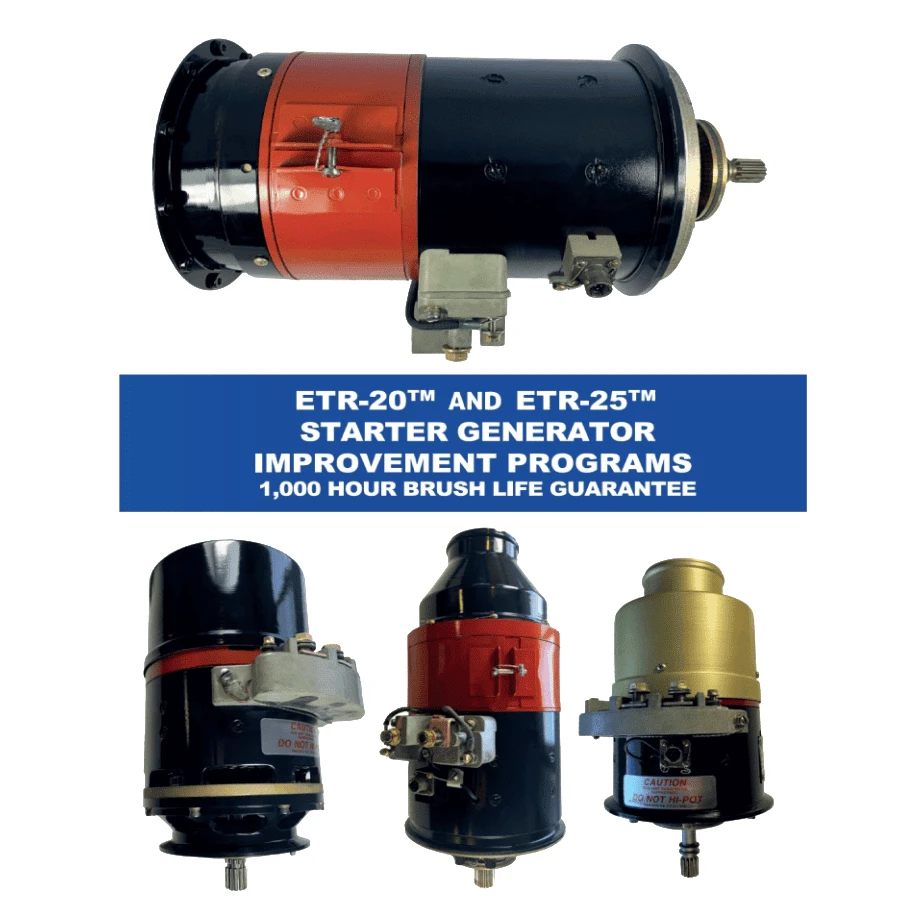
The aircraft starter generator is essential for powering up the aircraft. It provides the necessary energy to start the engine and maintain electrical power. A high-quality starter generator ensures a smooth engine start and stable power supply. It supports critical systems like avionics, lighting, and cabin operations. Low-quality starter generators may fail, causing power loss mid-flight. This can compromise aircraft functionality and passenger safety. Regular inspections and using premium starter generators reduce such risks. Investing in top-tier starter generators ensures efficient power management throughout the flight.
The Impact of High-Quality Components on Aircraft Performance
High-quality components directly affect an aircraft’s efficiency, safety, and longevity. They help maintain stable operations, reduce maintenance costs, and prevent unexpected failures. Here are key benefits of using high-quality components.
1. Increased Fuel Efficiency and Lower Operational Costs
High-quality components contribute to better fuel efficiency. Efficient aircraft pumps, actuators, and electrical systems reduce unnecessary energy consumption. This leads to lower fuel usage and cost savings for airlines. When components work optimally, they reduce strain on the engine and other systems. Low-quality components cause inefficiencies, leading to higher fuel consumption. Airlines that invest in top-tier components save money in the long run. Moreover, improved efficiency leads to fewer emissions, benefiting the environment. Reliable components also reduce the risk of expensive emergency repairs.
2. Enhanced Safety and Reduced Risk of In-Flight Failures
Safety is the top priority in aviation. High-quality aircraft components ensure reliable aircraft operation and minimize the risk of failures. Critical systems like actuators, pumps, and relays must function without issues. A single failure in any of these components can compromise flight safety. Poor-quality parts increase the risk of malfunctions, which can lead to accidents. Investing in durable, well-tested components enhances overall safety. Regular maintenance combined with high-quality parts ensures smooth and secure flights. Airlines must prioritize safety by using only the best components.
3. Extended Lifespan of Aircraft and Reduced Maintenance Downtime
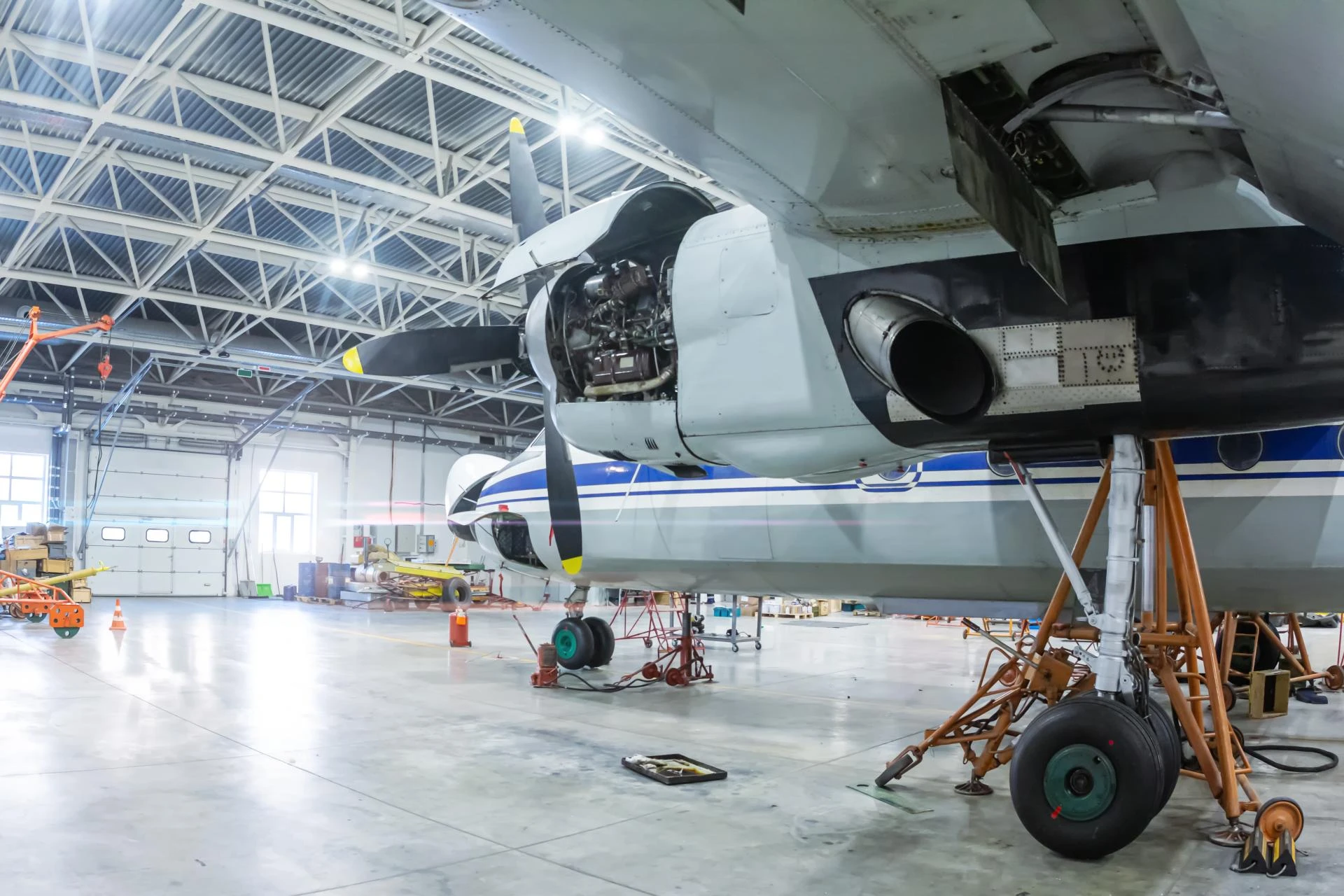
Quality components contribute to the long-term health of an aircraft. They reduce wear and tear on mechanical and electrical systems. High-quality parts last longer and require fewer replacements. This helps in reducing maintenance costs and aircraft downtime. Poor-quality components wear out quickly, leading to frequent breakdowns. More downtime means financial losses for airlines due to canceled or delayed flights. Investing in premium components increases the aircraft’s lifespan. It ensures reliability, fewer disruptions, and better overall performance. A well-maintained aircraft remains operational for years with minimal issues.
Conclusion
The quality of aircraft components is crucial for aviation performance. Reliable actuators, pumps, relays, and starter generators ensure smooth operations. High-quality parts improve fuel efficiency, enhance safety, and extend an aircraft’s lifespan. On the other hand, low-quality components can lead to failures, costly repairs, and safety risks. Airlines and aircraft operators must invest in durable and well-tested components. Regular inspections and maintenance further ensure flight safety.




























Sign in to leave a comment.