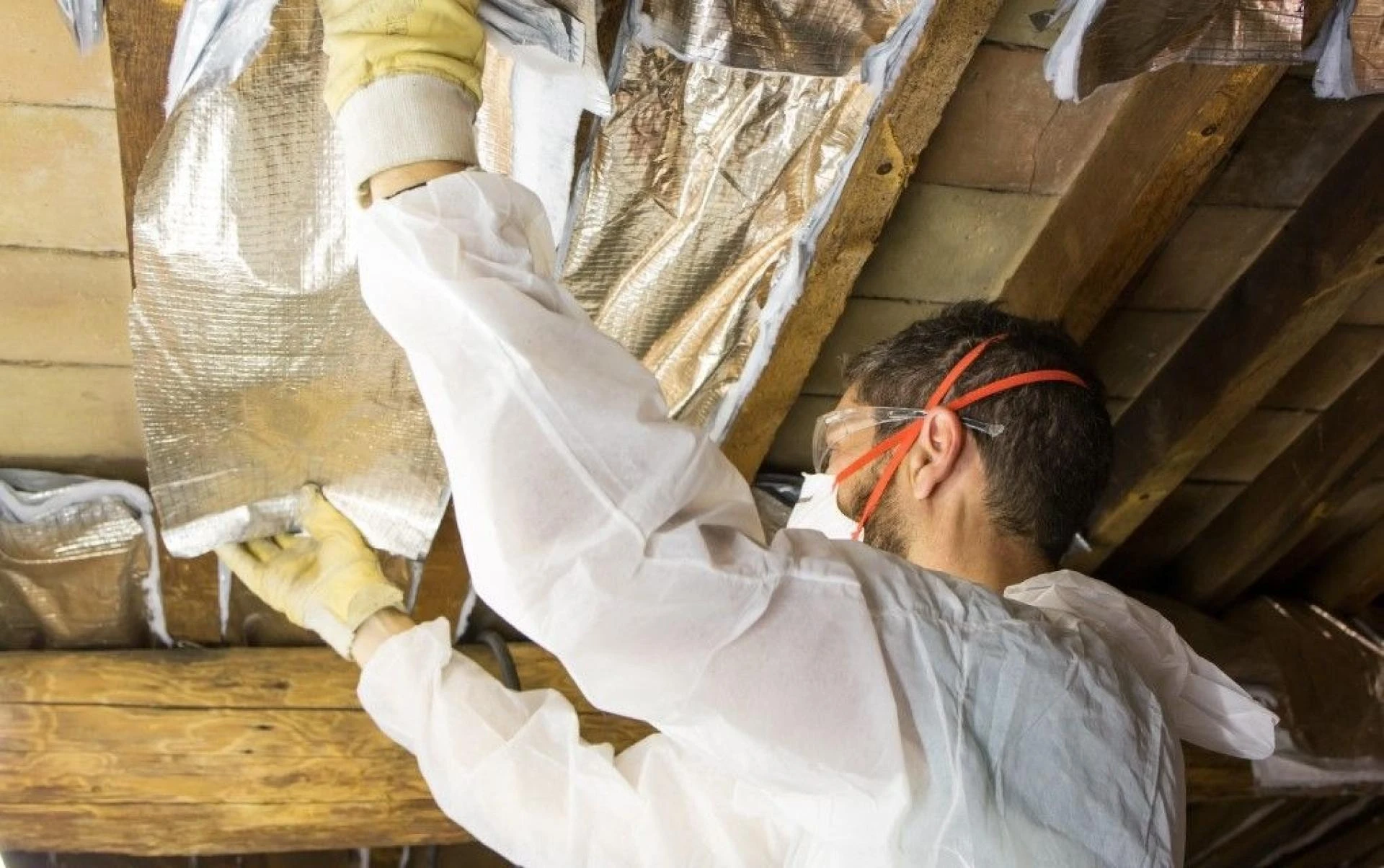

High-quality insulation directly influences your home's energy efficiency, indoor comfort, and structural longevity. Poor or low-grade insulation leads to higher energy bills, unstable indoor temperatures, moisture problems, and long-term structural issues. Upgrading to high-quality insulation delivers consistent thermal performance, reduces energy demand, and enhances the overall health of a building.
This guide outlines why high-quality insulation matters, explains the technical fundamentals, and helps homeowners and builders make fully informed decisions.
Core Reasons High-Quality Insulation Matters
High-quality insulation acts as more than just a thermal barrier. It integrates performance across multiple aspects that low-grade alternatives often compromise.
Key Advantages:
- Energy Efficiency: Reduces heating and cooling loads by up to 30% (U.S. Department of Energy data).
- Indoor Comfort: Minimizes drafts, temperature fluctuations, and noise intrusion.
- Durability: Maintains performance for decades without significant degradation.
- Health and Safety: Resists mold, pests, and moisture buildup.
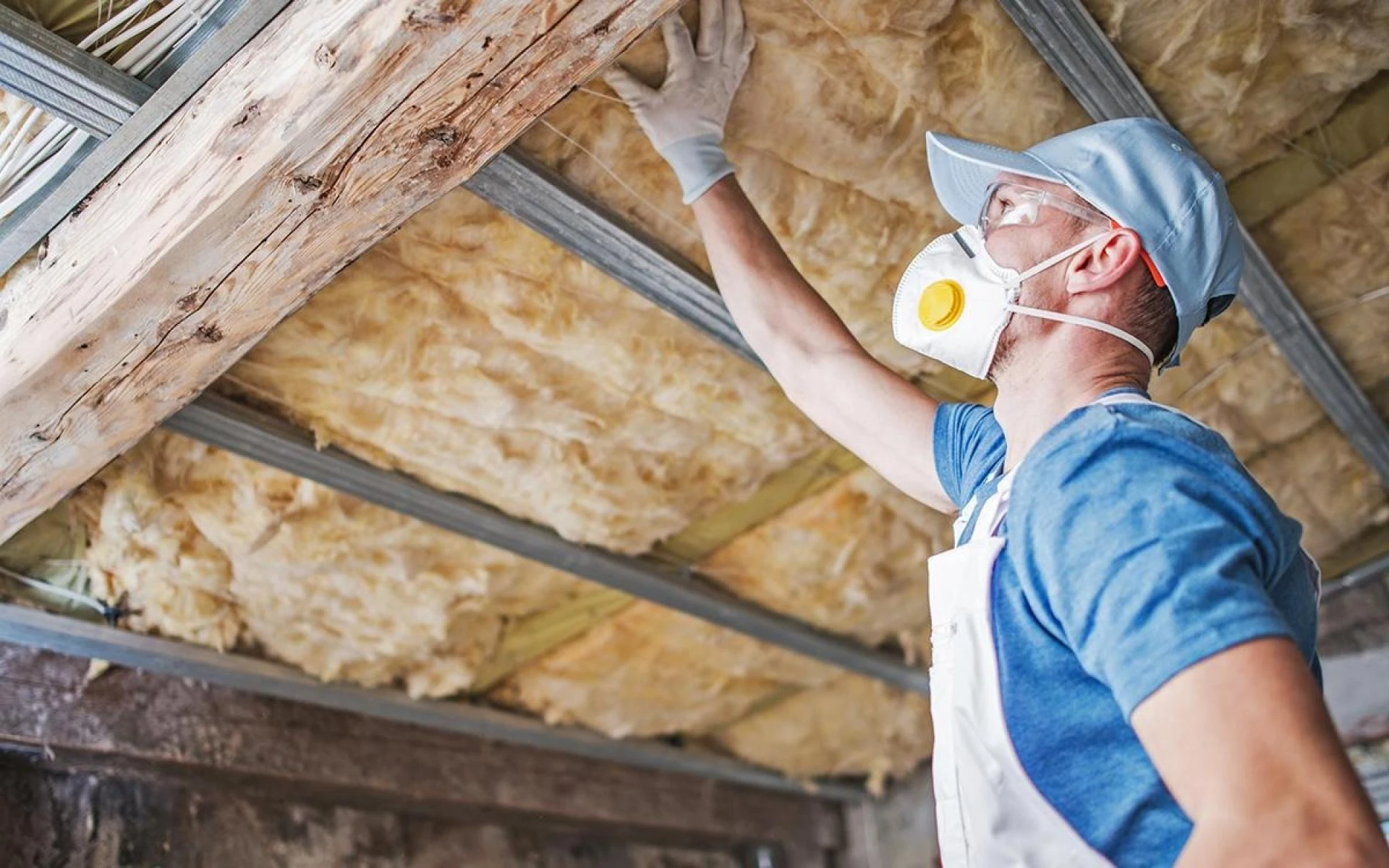
Market Data on Insulation Effectiveness
- Fact: Homes with upgraded insulation can save up to $1,200 annually on heating and cooling costs (NAIMA, 2023).
- Fact: Proper insulation reduces greenhouse gas emissions by an average of 2,500 pounds per home annually (EPA Energy Star Program).
How Poor-Quality Insulation Impacts Your Home
Energy Drain and High Utility Bills
Inadequate insulation leads to heat loss during winter and heat gain during summer, forcing HVAC systems to work harder and consume more energy.
Indoor Discomfort
Fluctuating temperatures, drafts, and inconsistent heating or cooling zones create year-round discomfort for occupants.
Structural Risks
Moisture seepage due to poor insulation accelerates material degradation, causing mold growth, wood rot, and foundational issues.
Bonus Tip:
Regularly inspect insulation in crawl spaces and attics where early moisture problems often appear.
Things to Consider Before Making a Decision
Selecting the right insulation demands strategic evaluation of several core factors.
Pre-Decision Factors:
- Climate Zone Requirements: Match insulation R-values to your local climate demands.
- Building Design: Identify whether retrofitting or new construction affects insulation choices.
- Material Lifespan and Maintenance: Prefer materials with long durability and low upkeep.
- Budget: Weigh upfront costs against long-term energy savings.
- Sustainability Goals: Consider environmentally friendly options if reducing your carbon footprint is a priority.
Bonus Tip:
Always check local building codes for minimum R-value requirements before selecting insulation types.
Common Questions About High-Quality Insulation
Does higher R-value always mean better insulation?
Higher R-value indicates better thermal resistance, but proper installation and material suitability for the specific application are equally crucial.
How does insulation impact home resale value?
Homes with modern, energy-efficient insulation systems often command higher resale values and faster market turnover.
Can old insulation be upgraded without removing it?
In some cases, new insulation can supplement old layers, but comprehensive assessment ensures moisture or damage issues are addressed first.
How do I know if my insulation is underperforming?
Signs include high energy bills, uneven temperatures between rooms, visible gaps or compression, and moisture stains.
What certifications should high-quality insulation products have?
Look for Energy Star ratings, UL fire safety certifications, and GREENGUARD certifications for low emissions.
Make the Right Decision
High-quality insulation in Giddings, TX is essential for lasting energy efficiency, occupant comfort, and structural protection. A strategic selection based on climate, application, and long-term durability delivers maximum return on investment. Carefully evaluating material properties and professional installation standards ensures optimal performance for decades.
























Sign in to leave a comment.