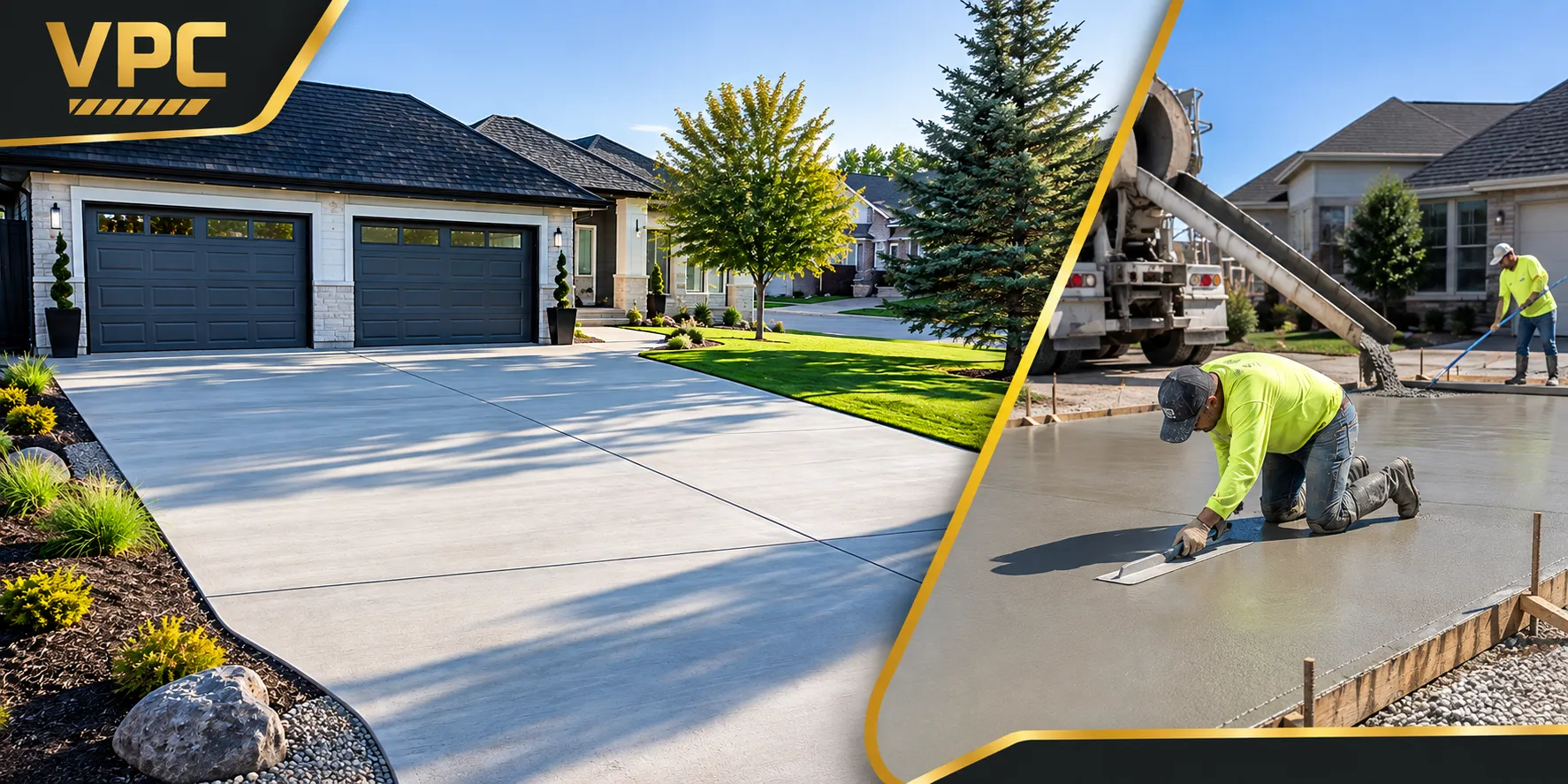

A cracked, sinking, or stained driveway does more than hurt curb appeal. It can create safety hazards, drainage problems, and even affect your home's resale value. When the damage goes beyond a simple patch job, many homeowners find themselves weighing a DIY fix against calling in help. This is usually where the value of hiring professional driveway replacement contractors becomes clear.
Replacing a driveway isn't just about pouring new concrete or asphalt. It involves grading, drainage planning, material selection, and proper curing techniques that most homeowners aren't equipped to handle on their own. Getting it wrong can mean redoing the entire project within a few years.
Here's what you need to know before deciding how to move forward.
Signs Your Driveway Needs Replacement, Not Repair
Not every damaged driveway needs a full replacement. But there are clear signs that patchwork won't cut it anymore.
Deep or spreading cracks. Small hairline cracks are often cosmetic. Cracks wider than a quarter-inch, or ones that keep spreading, usually point to problems underneath the surface.
Uneven or sunken sections. This typically signals soil erosion or poor base preparation from the original installation.
Frequent potholes. If potholes keep returning after repairs, the underlying structure is likely compromised.
Drainage issues. Water pooling on your driveway after rain can lead to erosion, ice hazards in winter, and further cracking over time.
If you're noticing two or more of these issues, it's worth getting a professional assessment rather than continuing to patch the same problem repeatedly.
Why Professional Installation Matters
Proper Site Preparation
The lifespan of any driveway depends heavily on what happens before the concrete or asphalt is ever poured. Professionals evaluate soil composition, grading, and drainage patterns to prevent future settling or water damage. Skipping this step, or doing it incorrectly, is one of the most common reasons DIY driveways fail early.
Correct Material and Mix Selection
Not all concrete mixes are created equal. Climate, expected traffic load, and soil type all influence what mix ratio and reinforcement type should be used. Contractors who specialize in driveway replacement understand these variables and adjust accordingly, something that's difficult to get right without hands-on experience.
Long-Term Durability
A well-installed driveway can last 25-30 years with minimal maintenance. A poorly installed one may start showing cracks within just a few years. The upfront cost difference between DIY and professional installation often becomes irrelevant once you factor in how much sooner a poorly done driveway needs to be replaced.
The Cost of Cutting Corners
It's tempting to save money by doing it yourself or hiring the lowest bidder. But driveway replacement is one of those projects where cutting corners tends to cost more in the long run.
Common issues from inexperienced installation include:
- Cracking within the first one to two years
- Improper slope leading to water pooling near the foundation
- Uneven surfaces that create tripping hazards
- Premature staining or surface deterioration
A qualified team that handles concrete driveway installation regularly will know how to avoid these pitfalls, from proper compaction of the base layer to correct curing time before the driveway is used.
What to Expect From the Replacement Process
Understanding the general process can help you know what questions to ask when hiring a contractor.
1. Initial Assessment and Quote
A reputable contractor will inspect the existing driveway, check for underlying drainage or soil issues, and provide a written estimate before any work begins.
2. Removal of Old Material
The old driveway needs to be broken up and hauled away. This step also allows the crew to inspect the base soil condition, which affects how the new driveway will be installed.
3. Base Preparation and Grading
This is arguably the most important step. Proper grading ensures water flows away from your home instead of pooling.
4. Pouring and Finishing
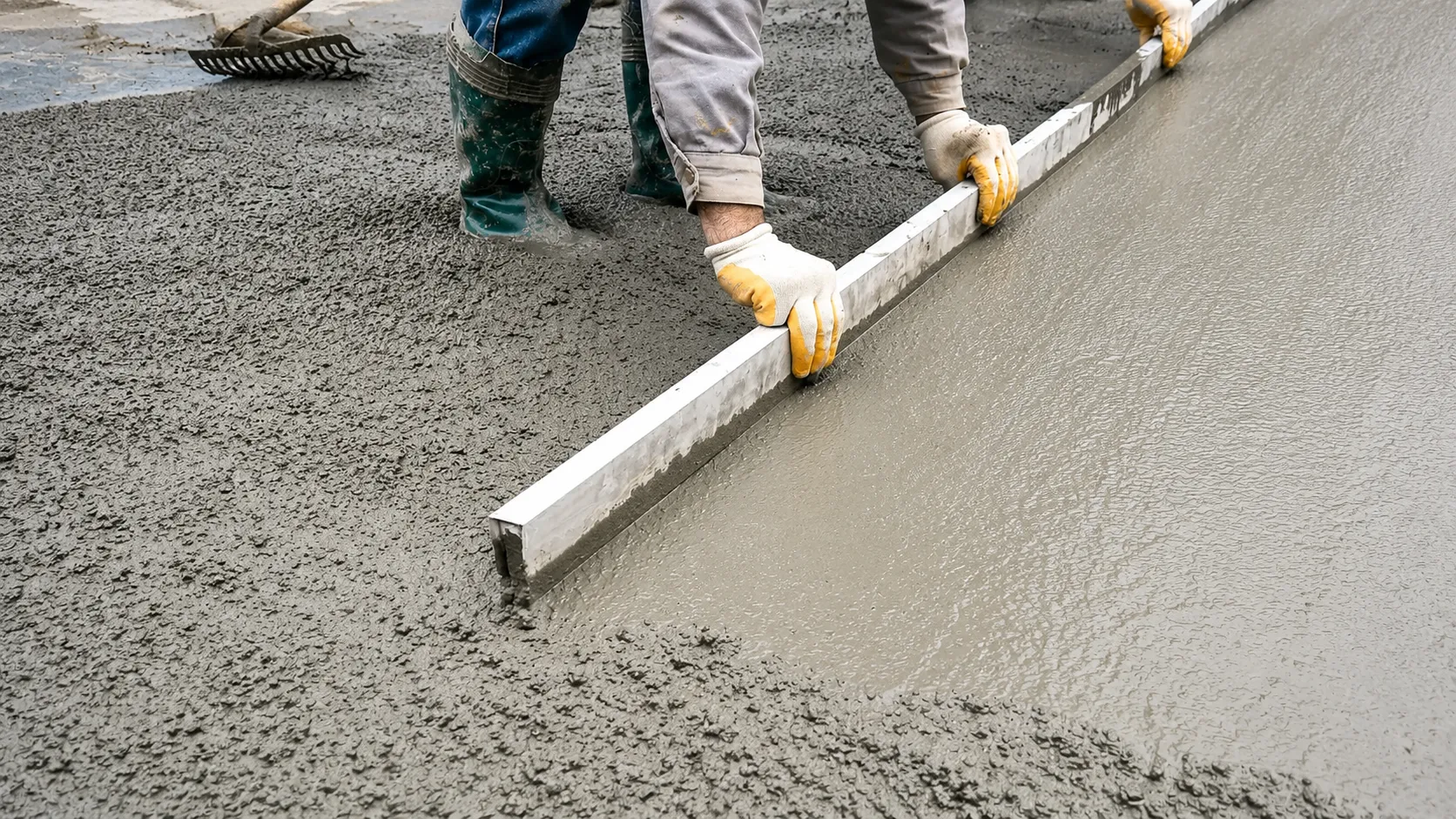
Depending on the material chosen, this stage includes pouring, leveling, and finishing techniques like brooming or stamping for texture and slip resistance.
5. Curing Time
Concrete typically needs about seven days before it can handle vehicle traffic, and up to a month to fully cure. Rushing this step is a common DIY mistake.
Practical Tips Before You Hire
- Ask for references or examples of recent driveway projects in your area.
- Confirm whether permits are required in your municipality.
- Get the expected timeline in writing, including curing time before use.
- Ask about warranty coverage on both materials and labor.
FAQs
How long does a driveway replacement typically take?
Most residential driveway replacements take three to seven days, including demolition, base prep, pouring, and initial curing.
Is asphalt or concrete better for driveway replacement?
It depends on climate, budget, and maintenance preference. Concrete generally lasts longer but costs more upfront, while asphalt is cheaper initially but requires more frequent maintenance.
Can I still use my driveway during the curing period?
Light foot traffic is usually fine after a couple of days, but vehicles should stay off the surface for at least seven days, sometimes longer depending on weather conditions.
Do I need a permit to replace my driveway?
It varies by city and county. A professional contractor can typically confirm this and handle the permitting process for you.
Final Thoughts
A driveway replacement is a significant investment, but it's also one that pays off in safety, curb appeal, and long-term durability when done correctly. While DIY repairs might seem like a cost-saving shortcut, the risks of improper grading, drainage issues, or premature cracking often outweigh the initial savings. Taking the time to hire experienced professionals ensures the job is done right the first time, giving you a driveway that holds up for decades rather than years.






















Sign in to leave a comment.