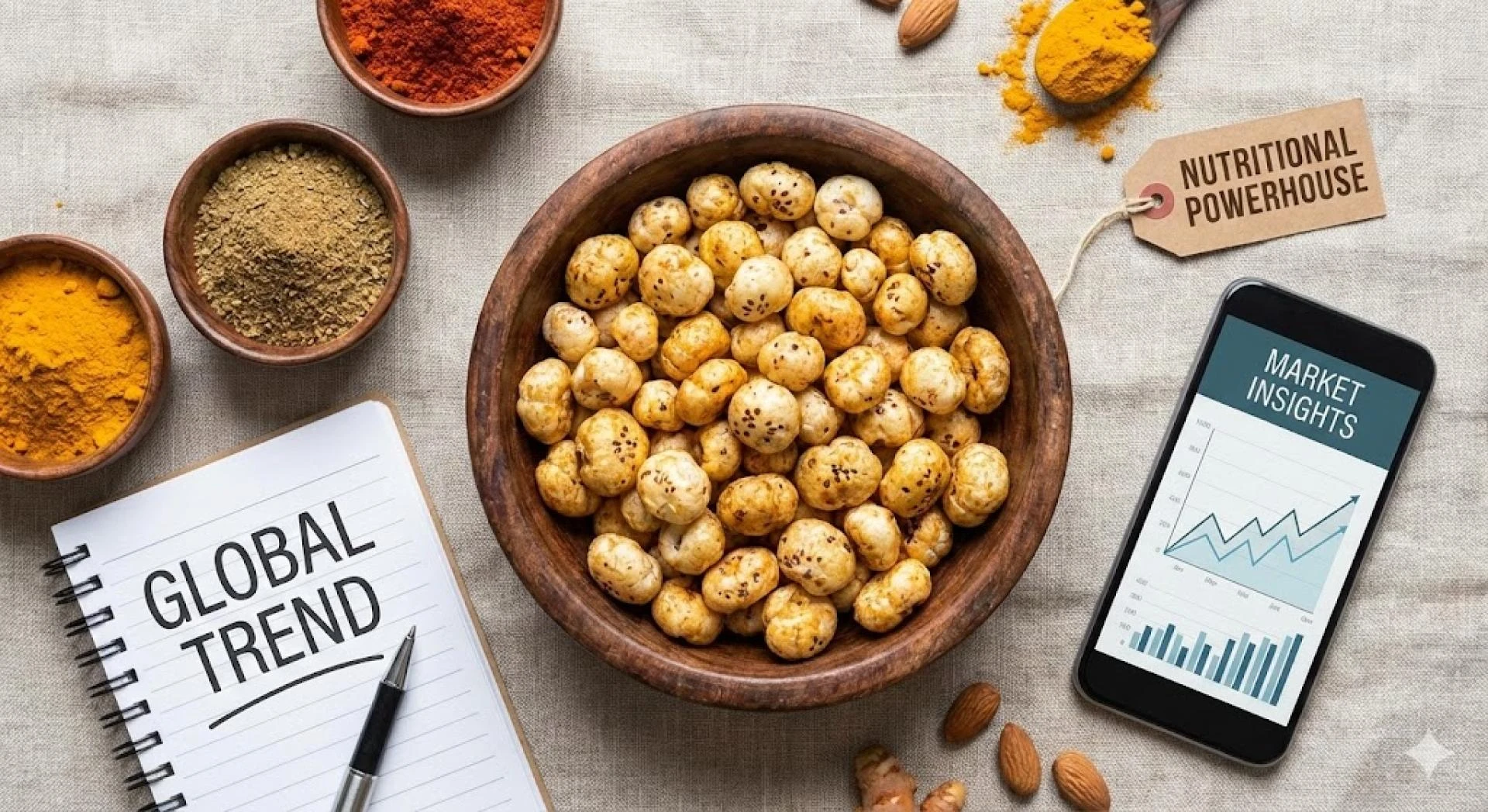

The global snack industry is witnessing a remarkable transformation as health-conscious consumers increasingly seek nutritious alternatives to traditional processed snacks. At the forefront of this revolution stands makhana, also known as foxnut or lotus seed, a traditional Indian superfood that has captivated international markets with its impressive nutritional profile and versatile culinary applications. This ancient crop, deeply rooted in Indian culture and Ayurvedic medicine, is now experiencing unprecedented demand across continents, establishing itself as one of the most promising agricultural exports from India.
Understanding Makhana: The Indian Superfood
Makhana, scientifically known as Euryale ferox, are the edible seeds derived from the prickly water lily plant that thrives in the stagnant waters of ponds and wetlands. While this aquatic crop grows in several Asian countries, India dominates global production, particularly in the states of Bihar, which accounts for approximately 90 percent of the total cultivation. The seeds undergo a unique processing method involving harvesting, drying, roasting, and popping to create the light, crispy snacks familiar to consumers worldwide.
Traditionally consumed during religious fasting periods in India and prescribed in Ayurvedic treatments for various ailments, makhana has transcended its regional origins to become a sought-after health food in international markets. The transformation from a ceremonial food to a mainstream snack represents a significant shift in global dietary preferences toward plant-based, nutrient-dense options.
The Nutritional Powerhouse Behind the Global Appeal
The meteoric rise of makhana in international markets can be primarily attributed to its exceptional nutritional composition. This humble seed packs an impressive array of essential nutrients that align perfectly with contemporary health trends emphasizing clean eating, plant-based diets, and functional foods.
Macronutrient Profile
Makhana offers a balanced macronutrient composition that makes it an ideal snack for various dietary requirements. With approximately 9 to 10 grams of protein per 100 grams, foxnuts provide a valuable plant-based protein source, particularly beneficial for vegetarians and vegans seeking alternatives to animal products. The protein content supports muscle maintenance, tissue repair, and overall metabolic function.
The carbohydrate content in makhana ranges between 76 to 78 grams per 100 grams, providing sustained energy without causing dramatic blood sugar spikes. What makes these carbohydrates particularly valuable is their complex nature and the presence of resistant starch, which behaves similarly to dietary fiber in the digestive system. The fat content remains remarkably low, typically around 0.1 grams per 100 grams, making makhana an excellent choice for those managing their fat intake or following heart-healthy diets.
Micronutrient Richness
Beyond macronutrients, makhana delivers an impressive spectrum of essential minerals and vitamins. Calcium content in foxnuts reaches approximately 60 milligrams per 100 grams, contributing to bone health and dental strength. The magnesium content, estimated at around 90 milligrams per 100 grams, plays crucial roles in over 300 enzymatic reactions in the body, including energy production, muscle function, and nervous system regulation.
Phosphorus, another vital mineral found abundantly in makhana at approximately 350 milligrams per 100 grams, works synergistically with calcium to build strong bones and teeth while supporting kidney function and cellular repair. The iron content, though modest, contributes to the prevention of anemia and supports oxygen transport throughout the body. Potassium presence helps regulate blood pressure and maintains proper electrolyte balance, making makhana particularly beneficial for cardiovascular health.
Antioxidant Properties
Perhaps one of the most compelling nutritional attributes of makhana is its rich antioxidant profile. Foxnuts contain various bioactive compounds, including kaempferol, a flavonoid recognized for its anti-inflammatory and anti-aging properties. These antioxidants combat oxidative stress caused by free radicals, potentially reducing the risk of chronic diseases such as heart disease, diabetes, and certain cancers. The presence of these protective compounds has attracted significant attention from nutrition researchers and health-conscious consumers seeking functional foods that offer benefits beyond basic nutrition.
Glycemic Index and Weight Management
Makhana's low glycemic index makes it particularly suitable for individuals managing diabetes or those following weight loss programs. The slow digestion and gradual release of glucose into the bloodstream help maintain stable blood sugar levels, reducing cravings and promoting satiety. The high fiber content, approximately 14 to 15 grams per 100 grams in some varieties, further enhances digestive health, supports regular bowel movements, and contributes to feelings of fullness that can help control overall caloric intake.
Market Dynamics: The Global Makhana Revolution
The international market for makhana has experienced exponential growth over the past decade, driven by shifting consumer preferences, increased health awareness, and strategic export initiatives by an agriculture export company in India and similar enterprises throughout the country.
Production Statistics and Export Growth
India's dominance in makhana production is undeniable, with the country cultivating approximately 20,000 metric tons annually. Bihar state alone contributes around 18,000 metric tons, establishing the region as the global epicenter of foxnut cultivation. The Mithila region, encompassing districts like Madhubani, Darbhanga, and Samastipur, has developed specialized expertise in makhana farming and processing passed down through generations.
The export value of Indian makhana has witnessed remarkable growth, increasing from approximately 1.5 million USD in 2015 to over 8 million USD by 2022. Industry projections suggest that exports could reach 15 to 20 million USD by 2025 if current growth trajectories continue. This expansion reflects not only increased production capacity but also enhanced processing standards, improved packaging, and sophisticated marketing strategies employed by forward-thinking agricultural export companies.
Key International Markets
The United States has emerged as the largest importer of Indian makhana, accounting for approximately 35 to 40 percent of total exports. The American market's appetite for healthy snacking options and plant-based foods has created fertile ground for makhana's introduction and acceptance. Health food stores, specialty grocery chains, and online platforms have increasingly featured foxnuts in various flavored varieties, catering to diverse taste preferences.
European countries, particularly the United Kingdom, Germany, and France, represent the second-largest market segment, collectively importing around 25 to 30 percent of Indian makhana exports. The European Union's stringent food safety standards and growing organic food movement have encouraged Indian exporters to adopt higher quality control measures and pursue organic certifications, ultimately elevating the entire industry's standards.
The Middle Eastern market, especially the United Arab Emirates and Saudi Arabia, has shown increasing interest in makhana, driven by substantial Indian diaspora populations and growing health consciousness among local consumers. These markets account for approximately 15 to 20 percent of exports and represent significant growth potential as awareness spreads beyond expatriate communities.
Asian markets outside India, including Japan, South Korea, and Singapore, are emerging as important destinations for makhana exports. These sophisticated consumer markets appreciate functional foods with documented health benefits, making them ideal targets for premium makhana products. Australia and Canada round out the major importing countries, each contributing around 5 to 8 percent of total export volumes.
Market Valuation and Future Projections
The global makhana market was valued at approximately 40 million USD in 2020 and is projected to reach between 80 to 100 million USD by 2027, representing a compound annual growth rate of around 8 to 10 percent. This growth trajectory reflects multiple converging factors including increased production efficiency, expanded distribution networks, innovative product development, and most importantly, rising global awareness of makhana's health benefits.
Industry analysts predict that the next phase of market expansion will be characterized by greater product diversification, with flavored varieties, organic certifications, and ready-to-eat formats driving consumer adoption. The increasing involvement of professional agriculture export companies in India with established international networks and quality certifications is expected to further accelerate market penetration in both existing and emerging markets.
Processing and Value Addition: From Pond to Plate
The journey of makhana from its aquatic origins to a consumer-ready product involves intricate processing steps that require specialized knowledge and skills. Traditional processing methods, predominantly practiced in Bihar, involve labor-intensive techniques that have remained largely unchanged for centuries.
Traditional Processing Methods
The processing begins with harvesting the seeds from pond beds, typically between late February and early June. Collectors wade through muddy waters to gather the seeds, which are then sun-dried for several days. The dried seeds undergo roasting in large iron pans at controlled temperatures, causing them to pop and expand into the familiar white, puffy form. This popping process requires considerable expertise as the temperature and timing must be precisely controlled to achieve optimal texture and prevent burning.
After popping, workers manually remove the black outer skin from each seed, a tedious process that significantly impacts production costs and limits scalability. Despite its labor intensity, this traditional method produces foxnuts with superior taste and texture, qualities that connoisseurs appreciate and for which they're willing to pay premium prices.
Modern Processing Innovations
Recognizing the limitations of traditional methods, several innovative agriculture export companies in India have invested in semi-automated and automated processing equipment. Modern facilities incorporate mechanical drying systems, temperature-controlled roasting machines, and even automated peeling equipment that dramatically increases processing efficiency while maintaining product quality.
These technological advancements have several important implications for the industry. Production capacity has increased substantially, allowing processors to meet growing international demand. Quality consistency has improved as mechanized systems eliminate much of the variability inherent in manual processing. Labor costs have decreased, making Indian makhana more competitively priced in international markets. Finally, hygiene standards have been elevated through enclosed processing environments that minimize contamination risks.
Value-Added Products
The contemporary makhana market extends far beyond plain roasted seeds. Entrepreneurs and established food companies have developed extensive product ranges featuring diverse flavors and formats. Savory varieties seasoned with spices like peri-peri, cheese, barbecue, and tandoori masala appeal to consumers seeking indulgent yet healthy snacks. Sweet variants coated with chocolate, caramel, or honey cater to those with sweet preferences while still offering nutritional advantages over conventional confections.
Ground makhana flour has emerged as an innovative product with applications in baking, baby food formulations, and as a thickening agent in various culinary preparations. Makhana powder mixed with milk and nuts creates nutritious breakfast drinks popular in health-conscious households. Some manufacturers have even incorporated makhana into energy bars, granola mixes, and trail mix combinations, further expanding the product's reach and application.
Cultural Heritage Meets Global Innovation
The global popularity of makhana represents a fascinating intersection between ancient wisdom and contemporary nutritional science. For thousands of years, Ayurvedic practitioners have prescribed foxnuts for various therapeutic purposes, recognizing benefits that modern research is now validating scientifically.
Ayurvedic Significance
In Ayurvedic medicine, makhana is classified as having a cooling effect on the body, making it particularly beneficial during summer months or for individuals with excess heat constitution. Traditional practitioners recommend foxnuts for strengthening the kidneys, improving reproductive health, and enhancing overall vitality. The seeds are believed to possess astringent properties that help manage digestive issues and support urinary tract health.
During pregnancy, Ayurvedic texts suggest makhana consumption for nourishing the mother and supporting fetal development due to its rich mineral content and easily digestible nature. For elderly individuals, foxnuts are prescribed to combat weakness, improve bone density, and maintain cognitive function. These traditional applications, once confined to South Asian medical systems, are now being examined through the lens of modern nutritional science, lending credibility to age-old practices.
Scientific Validation
Contemporary research has begun substantiating many traditional claims associated with makhana consumption. Studies examining the antioxidant capacity of foxnuts have confirmed significant free radical scavenging activity, supporting claims about anti-aging and disease prevention properties. Research into the glycemic impact has validated makhana's suitability for diabetic diets, with clinical studies demonstrating improved blood sugar control among participants who regularly consumed foxnuts as part of balanced meal plans.
Investigations into the cardiovascular benefits of makhana have revealed promising results, with its potassium and magnesium content contributing to blood pressure regulation and its low sodium nature making it heart-friendly. The anti-inflammatory compounds identified in foxnuts have attracted attention from researchers studying chronic inflammatory conditions, though more extensive clinical trials are needed to establish definitive therapeutic applications.
Sustainability and Economic Impact
The makhana industry's expansion carries significant implications for environmental sustainability and rural economic development, particularly in India's eastern regions where cultivation is concentrated.
Environmental Considerations
Makhana cultivation occurs in wetland ecosystems, environments that play crucial roles in biodiversity conservation, water purification, and climate regulation. Unlike many modern agricultural practices that degrade natural habitats, traditional makhana farming works in harmony with wetland ecology, preserving these vital ecosystems while providing livelihoods. The crop requires no synthetic fertilizers or pesticides, making it an inherently organic agricultural practice that maintains soil health and water quality.
The water bodies used for makhana cultivation support diverse aquatic life, including fish species that provide additional income sources for farming communities. This integrated approach to agriculture demonstrates how food production and environmental conservation can coexist beneficially, offering a model for sustainable farming in wetland regions worldwide.
Socioeconomic Benefits
Makhana cultivation and processing provide employment to hundreds of thousands of individuals in Bihar and neighboring states, many from economically disadvantaged backgrounds. The labor-intensive nature of traditional processing, while presenting challenges for scalability, has created substantial employment opportunities in rural areas where alternative income sources are limited.
Women constitute a significant portion of the processing workforce, particularly in the manual peeling stages. The income generated through makhana processing has empowered women economically, contributing to improved household nutrition, children's education, and overall community development. Several cooperatives and self-help groups have formed around makhana processing, strengthening social cohesion and collective bargaining power.
The rising export demand has increased farm-gate prices for raw makhana, directly benefiting cultivators who previously struggled with limited market access and poor price realization. Government initiatives and private sector investments in infrastructure, training, and market linkages have further enhanced the industry's contribution to rural prosperity.
Challenges and Opportunities
Despite impressive growth, the makhana industry faces several challenges that must be addressed to sustain momentum and realize its full potential in global markets.
Supply Chain Constraints
Limited mechanization in processing remains a significant bottleneck, constraining production volumes and increasing costs. While some modern facilities have been established, the majority of processing still relies on traditional manual methods. Investments in appropriate technology that preserves quality while increasing efficiency are essential for scaling operations to meet growing demand.
Quality standardization presents another challenge, as variations in processing methods, storage conditions, and handling practices result in inconsistent product quality. Establishing and enforcing industry-wide quality standards, supported by certification programs and regular testing, would enhance consumer confidence and facilitate premium positioning in international markets.
Infrastructure deficiencies in cultivation regions, including inadequate storage facilities, unreliable electricity supply, and poor road connectivity, increase post-harvest losses and transportation costs. Addressing these systemic issues requires coordinated efforts involving government agencies, private investors, and industry associations.
Market Development Opportunities
Despite recent growth, makhana remains relatively unknown in many potential markets, representing substantial untapped opportunity. Strategic marketing campaigns emphasizing nutritional benefits, sustainability credentials, and versatile applications could significantly expand consumer awareness and adoption. Partnerships with health food retailers, fitness centers, nutrition professionals, and culinary influencers would accelerate market penetration.
Product innovation offers another avenue for growth, with opportunities to develop ready-to-eat formats, incorporation into mainstream snack products, and creation of premium organic variants commanding higher price points. Collaborations between agriculture export companies in India and international food manufacturers could facilitate makhana's integration into established product lines, reaching consumers through familiar brands and distribution channels.
The institutional market, including airlines, hotels, corporate cafeterias, and healthcare facilities, represents a largely unexplored segment that values healthy, shelf-stable snack options. Developing appropriate packaging formats and establishing supply agreements with institutional buyers could create stable, high-volume demand channels.
Regulatory Navigation
Exporting agricultural products requires compliance with diverse and often complex regulations governing food safety, labeling, organic certifications, and import restrictions. Navigating these requirements demands specialized expertise and resources that many small-scale processors lack. Industry associations and government trade promotion agencies play vital roles in providing guidance, facilitating certifications, and resolving regulatory issues that arise in international trade.
Obtaining organic certifications from recognized international bodies opens premium market segments where consumers willingly pay substantial price premiums for certified organic products. Given makhana's naturally organic cultivation practices, obtaining such certifications represents a relatively straightforward path to value addition, though the process requires documentation, compliance verification, and ongoing monitoring.
The Role of Agriculture Export Companies in Global Expansion
The transformation of makhana from a regional specialty to a global commodity owes much to the efforts of specialized agriculture export companies in India that have invested in quality enhancement, marketing, and distribution infrastructure necessary for international success.
Quality Assurance and Certifications
Leading export companies have established comprehensive quality management systems encompassing every stage from procurement to final delivery. Advanced testing laboratories analyze products for moisture content, microbial contamination, pesticide residues, and nutritional composition, ensuring compliance with stringent international standards. Many exporters have obtained certifications including ISO 22000 for food safety management, HACCP for hazard analysis, organic certifications from USDA, EU, and India Organic, and kosher or halal certifications for specific markets.
These quality credentials serve as trust signals for international buyers, facilitating entry into premium retail channels and commanding better prices. The investment in quality infrastructure has elevated the entire industry's standards, benefiting even small-scale processors through demonstration effects and supply chain requirements.
Market Intelligence and Brand Building
Successful agriculture export companies invest significantly in understanding target markets, including consumer preferences, competitive landscapes, pricing dynamics, and regulatory requirements. This intelligence informs product development, packaging design, marketing messages, and distribution strategies tailored to each market's unique characteristics.
Brand building represents another critical function, with leading exporters developing proprietary brands that communicate quality, authenticity, and health benefits effectively. Professional packaging design, compelling brand stories connecting products to their cultural origins, and strategic social media presence help differentiate products in crowded marketplaces and build consumer loyalty.
Distribution Networks and Partnerships
Establishing reliable distribution channels in foreign markets requires substantial investment and local expertise. Experienced exporters develop relationships with importers, distributors, and retailers who understand local consumer behavior and possess established market access. Some companies pursue direct-to-consumer models through e-commerce platforms, capturing higher margins while building direct relationships with end consumers.
Strategic partnerships with health food chains, ethnic grocery stores, and mainstream supermarkets create multiple touchpoints for consumer discovery and purchase. Participation in international food exhibitions, trade shows, and buyer-seller meetings generates visibility and facilitates business relationships that drive sustained growth.
Consumer Trends Driving Makhana's Popularity
Several powerful consumer trends converge to create favorable conditions for makhana's continued global expansion, suggesting the current growth trajectory will persist and potentially accelerate in coming years.
Plant-Based Movement
The global shift toward plant-based diets, driven by health, environmental, and ethical considerations, has created enormous opportunities for plant-derived foods like makhana. As consumers increasingly seek alternatives to animal products, foxnuts offer a compelling combination of protein, minerals, and satisfying texture without animal-derived ingredients. The clean label appeal of minimally processed, single-ingredient makhana aligns perfectly with consumer desires for transparent, wholesome foods.
Snacking Revolution
Modern lifestyles characterized by time constraints and irregular meal patterns have elevated snacking from occasional indulgence to regular eating occasion. However, growing health consciousness has created tension between convenience and nutrition, a tension that makhana resolves effectively. Foxnuts offer guilt-free snacking that satisfies both immediate taste preferences and long-term health objectives, positioning them ideally within the healthy snacking mega-trend valued at hundreds of billions globally.
Functional Foods Interest
Consumers increasingly view food as medicine, seeking products that deliver specific health benefits beyond basic nutrition. Makhana's documented benefits for blood sugar management, cardiovascular health, weight control, and anti-aging align with this functional foods orientation. Marketing that emphasizes these therapeutic properties resonates strongly with health-conscious consumers willing to pay premium prices for products supporting their wellness goals.
Cultural Authenticity and Discovery
There's growing consumer interest in authentic ethnic foods that offer novel taste experiences and connections to traditional food cultures. Makhana's deep roots in Indian cuisine and Ayurvedic medicine provide compelling authenticity narratives that appeal to adventurous consumers seeking alternatives to mainstream Western snacks. Social media and food bloggers have amplified this discovery process, introducing makhana to audiences who might never encounter it through conventional retail channels.
Conclusion: A Superfood's Global Journey
The remarkable ascent of Indian makhana from regional specialty to emerging global superfood exemplifies how traditional foods with genuine nutritional merit can achieve mainstream success when supported by quality production, strategic marketing, and favorable consumer trends. The convergence of ancient wisdom and contemporary science, local expertise and global ambition, has created a compelling success story with implications extending beyond commercial achievement.
For farmers and processors in Bihar's Mithila region, makhana's popularity represents economic opportunity and recognition for generations of specialized knowledge. For health-conscious consumers worldwide, foxnuts offer a nutritious, sustainable snacking option that doesn't compromise taste or convenience. For agriculture export companies in India, makhana exemplifies the potential of value-added agricultural exports to compete successfully in premium international markets.
Looking forward, the industry's trajectory appears promising, supported by expanding production capacity, improving processing technology, growing consumer awareness, and increasing distribution reach. Challenges remain around mechanization, quality standardization, and market development, but these obstacles appear surmountable with appropriate investments and coordinated industry efforts.
As global consumers continue prioritizing health, sustainability, and authenticity in their food choices, makhana stands well-positioned to capture growing market share not just as a novel ethnic snack but as a mainstream nutritious food with universal appeal. The humble foxnut's transformation into an internationally recognized superfood demonstrates that with the right combination of inherent quality, cultural authenticity, and strategic development, traditional foods can achieve remarkable global success while creating prosperity for the communities that cultivate them.
The makhana story has only just begun, and the coming years promise even greater global recognition for this extraordinary gift from India's wetlands to the world's plate.










Sign in to leave a comment.