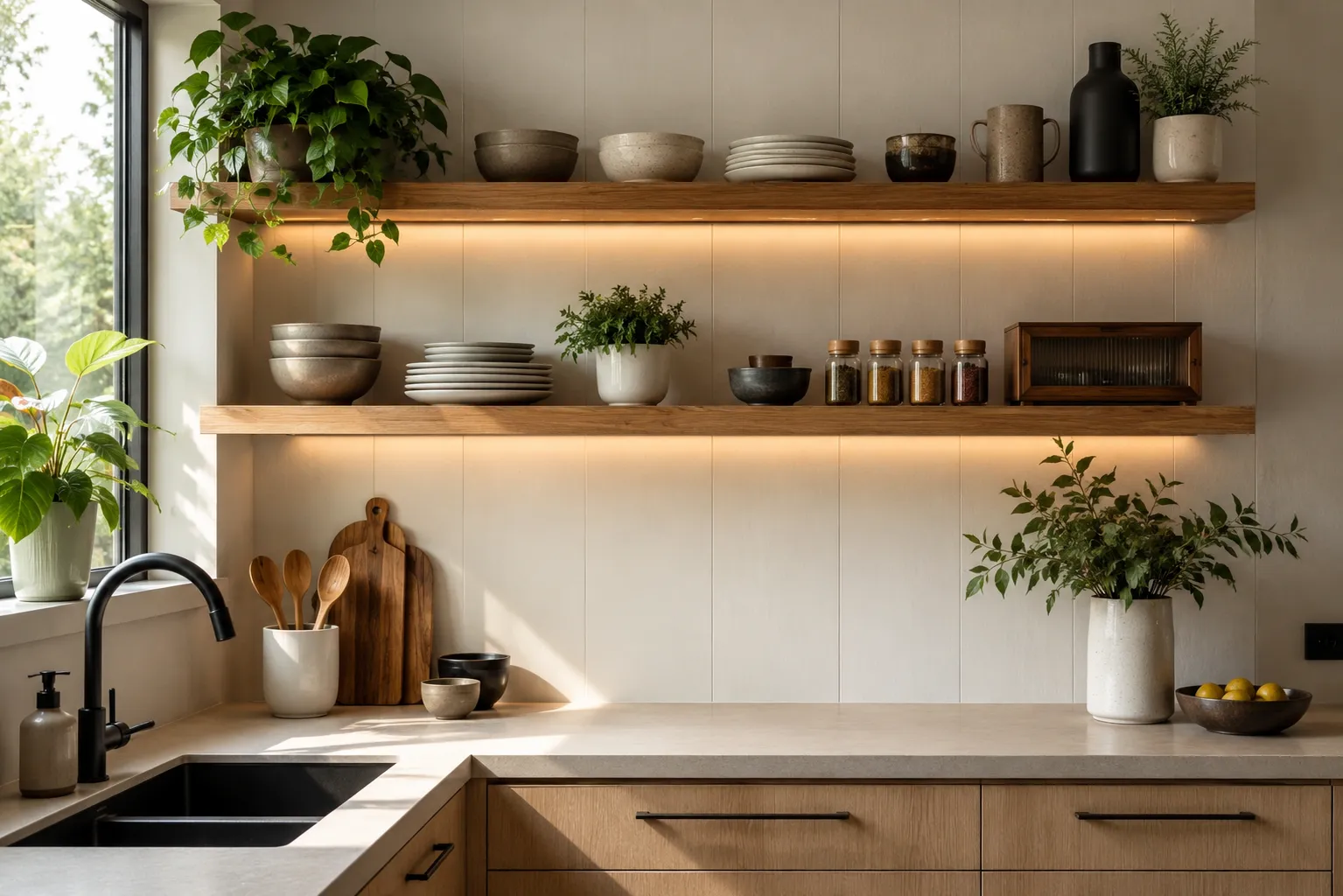
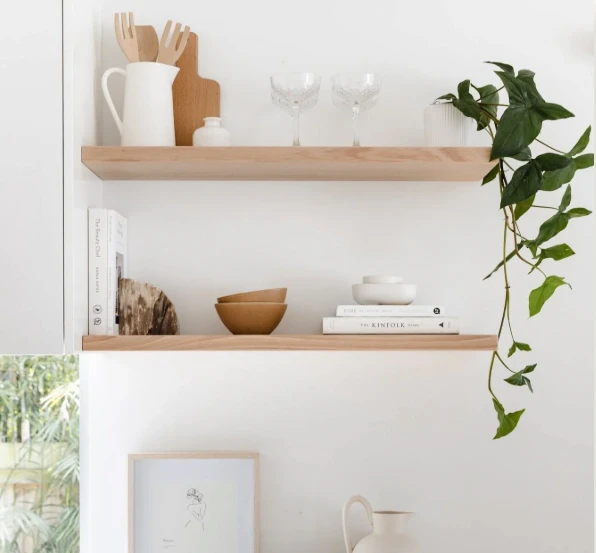
Modern kitchens are no longer just places for cooking. They have become social spaces where families gather, entertain guests, and spend time together. As kitchen design continues to evolve, one feature consistently appears in designer-inspired homes: floating shelves.
From luxury homes to compact apartments, floating shelves have become a favourite design element among interior designers. Their clean appearance, practical functionality, and ability to create a sense of openness make them a popular choice for contemporary kitchens.
If you have been considering a kitchen upgrade, understanding why designers love floating shelves can help you make the right decision for your space.
They Create a More Open and Spacious Feel
One of the biggest reasons interior designers recommend floating shelves is their ability to make a kitchen feel larger. Traditional upper cabinets can sometimes create a heavy visual effect, particularly in smaller kitchens.
Floating shelves remove that visual bulk and allow the eye to move freely around the room. This creates a lighter, more open atmosphere while maintaining valuable storage space. Designers often use floating shelves to make compact kitchens feel brighter and less crowded.
They Showcase Beautiful Materials
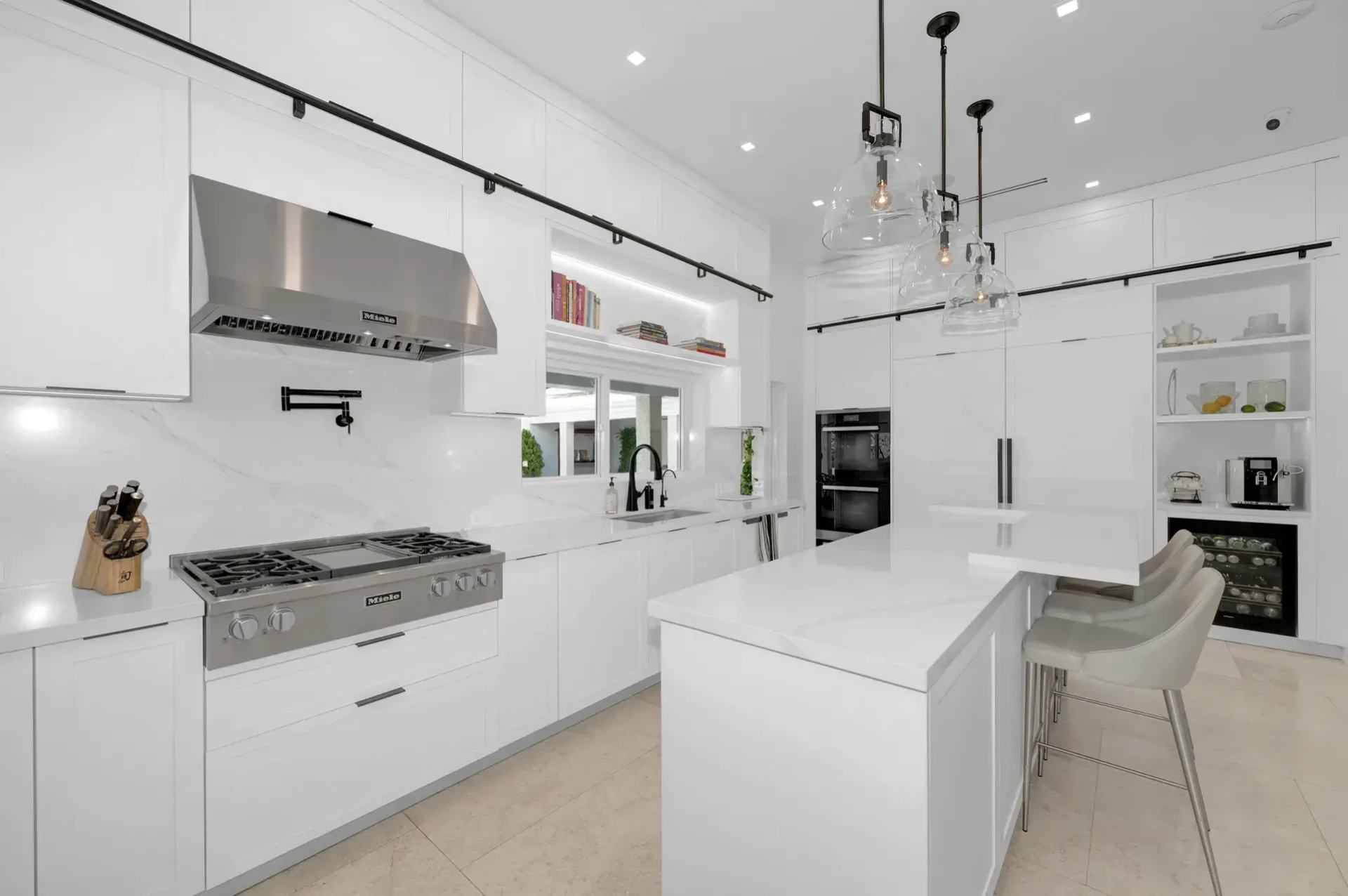
Modern kitchen design often focuses on natural materials such as timber, stone, and textured tiles. Large upper cabinets can hide these features, while floating shelves allow them to remain visible.
Whether it is a stunning splashback, a feature wall, or a natural stone finish, floating shelves help highlight the design elements that make a kitchen unique. Designers frequently use timber shelving to introduce warmth and balance within contemporary spaces.
For homeowners looking for premium-quality floating shelves, choosing natural timber options can add both character and functionality to a modern kitchen.
They Blend Storage and Style
Unlike traditional cabinets that hide everything behind doors, floating shelves allow everyday kitchen items to become part of the design.
Interior designers often style shelves with:
- Everyday dishware
- Ceramic bowls
- Glass jars
- Cookbooks
- Indoor plants
- Decorative accessories
This approach creates a kitchen that feels lived-in and personalised without looking cluttered. The result is a space that balances practicality with visual appeal.
They Work With Almost Any Design Style
Another reason designers love floating shelves is their versatility.
They can complement a wide range of kitchen styles, including:
- Modern kitchens
- Coastal homes
- Scandinavian interiors
- Hamptons-inspired spaces
- Industrial kitchens
- Contemporary Australian homes
The choice of timber finish, shelf thickness, and bracket design allows floating shelves to adapt to different aesthetics. This flexibility makes them a valuable design tool for both renovations and new builds.
Easy Access to Everyday Items
Practicality remains a major consideration in kitchen design.
Floating shelves provide quick access to frequently used items such as mugs, plates, spices, and serving bowls. Instead of constantly opening and closing cupboard doors, homeowners can easily reach what they need.
Research into open shelving environments has also found that visible storage can improve accessibility and reduce the time spent searching for items.
They Help Bring Warmth Into Modern Kitchens
Many modern kitchens feature sleek cabinetry, stone benchtops, and minimalist finishes. While these elements look elegant, they can sometimes feel cold or overly sterile.
Interior designers often introduce floating timber shelves to soften these spaces. Natural timber adds texture, warmth, and visual interest, helping create a more inviting atmosphere.
This balance between modern design and natural materials is a key reason floating shelves continue to appear in designer kitchens across Australia.
They Allow Greater Design Flexibility
Unlike fixed cabinetry, floating shelves can be installed in various configurations.
Designers use them to:
- Fill awkward wall spaces
- Frame kitchen windows
- Create feature walls
- Display decorative collections
- Add storage to unused corners
This flexibility allows designers to customise kitchens according to the homeowner's lifestyle and storage requirements.
They Look Great in Property Photography
A well-styled kitchen can significantly influence how a home is perceived.
Floating shelves photograph exceptionally well because they create visual depth and allow designers to add carefully selected styling elements. This is one reason they are often featured in display homes, renovation projects, and luxury property listings.
Finding the Right Balance
While floating shelves offer many advantages, most designers do not recommend replacing all cabinetry with open shelving. A balanced approach usually works best.
Combining closed cabinets with a few floating shelves provides sufficient hidden storage while maintaining the open, welcoming appearance that modern homeowners love. This creates a kitchen that is both practical and visually appealing.
Final Thoughts
Interior designers continue to favour floating shelves because they combine beauty, practicality, and versatility. They create a sense of openness, showcase quality materials, improve accessibility, and add personality to modern kitchens.
Whether you are planning a complete renovation or a simple kitchen refresh, floating shelves can help transform your space into a stylish and functional area that feels both modern and welcoming.
Frequently Asked Questions
1. Are floating shelves suitable for small kitchens?
Yes. Floating shelves can make small kitchens feel more open and spacious by reducing the visual weight created by upper cabinets.
2. What is the best material for kitchen floating shelves?
Solid timber is one of the most popular choices because it offers durability, warmth, and a timeless appearance.
3. Can floating shelves hold heavy kitchen items?
When properly installed into wall studs or supported with quality hardware, floating shelves can safely hold dishes, cookware, and other kitchen essentials.
4. How many floating shelves should a kitchen have?
The ideal number depends on your kitchen size and storage needs. Most designers recommend using a few shelves as feature elements rather than replacing all cabinetry.
5. Do floating shelves require more maintenance?
They can collect dust more easily than closed cabinets, but regular cleaning keeps them looking neat and attractive.

























Sign in to leave a comment.