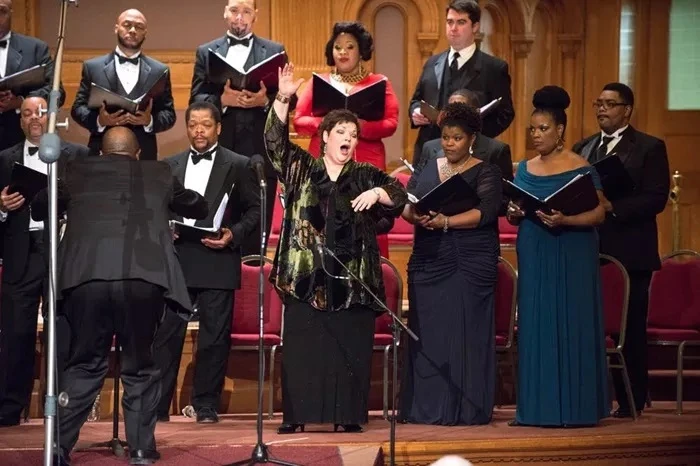

Classical Music occupies a unique position in global culture. It is widely respected for its artistic depth, historical significance, and technical sophistication, yet it is also frequently perceived as distant, exclusive, or elitist. This perception has persisted across generations and cultures, shaping how audiences engage with orchestras, composers, and institutions associated with the genre. Understanding why Classical Music is sometimes viewed this way requires examining its historical development, social associations, institutional practices, and cultural presentation.
Rather than stemming from the music itself alone, the perception of elitism is deeply connected to how Classical Music has been framed, taught, and preserved over time.
Historical Roots of Elitism in Classical Music
Origins in Aristocratic Patronage
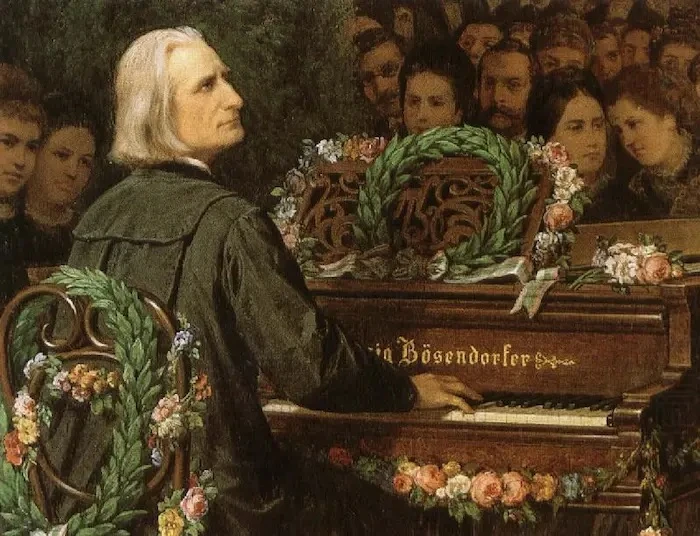
Classical Music developed within social systems that were historically hierarchical. During the Baroque, Classical, and Romantic periods, composers such as Bach, Mozart, and Beethoven often relied on aristocratic or royal patronage. Courts, churches, and wealthy families served as the primary sponsors of musical creation and performance.
This environment shaped both the music and its audience. Concerts were frequently private affairs, accessible only to those within elite social circles. As a result, Classical Music became associated with privilege and refinement, reinforcing the idea that it belonged to a select group rather than the general public.
Concert Halls as Symbols of Status
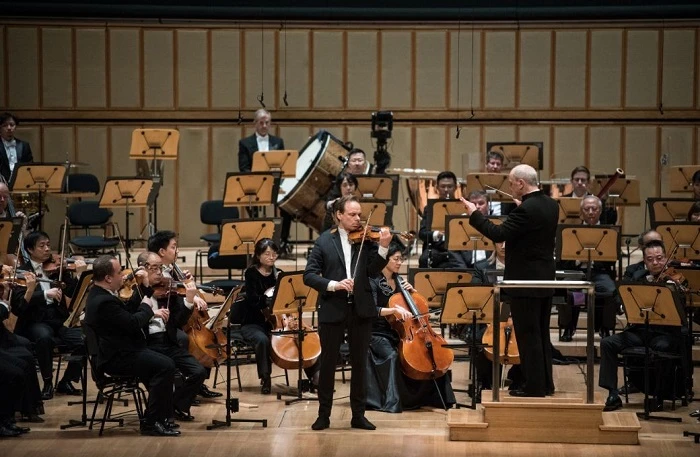
As public concert halls emerged in the nineteenth century, they often mirrored the grandeur and formality of aristocratic spaces. Architectural design, dress codes, and behavioral expectations emphasized decorum and social distinction.
These physical and cultural settings contributed to the perception that Classical Music required a certain level of social status or cultural literacy, distancing it from everyday musical experiences.
Cultural Capital and Social Identity
Education and Access
One of the strongest factors shaping the elitist perception of Classical Music is access to education. Learning to appreciate or perform this genre often requires formal training, exposure to music theory, and familiarity with historical context.
These resources are more readily available to individuals from higher socioeconomic backgrounds, reinforcing the idea that Classical Music is tied to cultural capital. When appreciation of the genre becomes a marker of education or refinement, it can unintentionally exclude those without similar opportunities.
Classical Music as a Marker of Prestige
In many societies, Classical Music has been positioned as a symbol of intellectual and cultural sophistication. Attendance at concerts or knowledge of composers is sometimes treated as evidence of high cultural status.
This framing can alienate potential listeners, especially when Classical Music is contrasted with popular or folk traditions in ways that imply superiority rather than difference.
Institutional Practices and Audience Expectations
Formality and Ritual
Classical Music performances are often governed by strict conventions. Audiences are expected to remain silent, applaud at designated moments, and adhere to unspoken rules of behavior.
While these rituals are intended to honor the music, they can appear intimidating to newcomers. The fear of making a social mistake may discourage broader participation, reinforcing the perception that Classical Music is reserved for insiders.
Programming Choices and Canonization
Many orchestras and institutions prioritize a relatively narrow canon of composers and works. This focus on established masterpieces, while artistically valuable, can create the impression that Classical Music is static and inaccessible.
When programming rarely reflects contemporary voices or diverse cultural influences, audiences may view the genre as disconnected from modern life.
Language and Communication Barriers
Specialized Terminology
Discussion of Classical Music often involves technical vocabulary related to harmony, form, and historical periods. While such language is useful for scholarly analysis, it can also act as a barrier to entry.
When explanations prioritize technical expertise over emotional or experiential engagement, listeners may feel excluded or unqualified to participate in the conversation.
Program Notes and Academic Framing
Concert programs frequently emphasize analytical descriptions and historical detail. Although informative, this approach can reinforce the idea that Classical Music requires academic knowledge to be fully appreciated.
This framing may unintentionally discourage listeners who connect with music intuitively rather than intellectually.
Comparisons with Popular Music Culture
Accessibility and Everyday Presence
Popular music genres are often embedded in daily life through media, social events, and personal expression. They are designed for immediate emotional connection and broad appeal.
By contrast, Classical Music is more commonly encountered in formal settings, contributing to its image as distant or reserved. This contrast reinforces the idea that Classical Music belongs to a different social sphere.
Changing Cultural Values
Modern culture tends to value relatability, informality, and personal expression. Classical Music’s emphasis on tradition, discipline, and historical continuity can seem at odds with these values.
As cultural priorities shift, the genre may appear resistant to change, furthering its reputation as elitist.
The Role of Media and Representation
Stereotypes in Film and Television
Media portrayals often depict Classical Music as the domain of intellectuals, aristocrats, or socially detached characters. These representations shape public perception, reinforcing stereotypes about who listens to and understands the genre.
Such portrayals rarely show Classical Music as a living, evolving art form connected to everyday experiences.
Marketing and Branding
The way Classical Music is marketed also influences perception. Promotional materials often emphasize elegance, tradition, and exclusivity rather than accessibility or emotional resonance.
This branding can attract dedicated audiences while simultaneously reinforcing barriers for new listeners.
Efforts to Challenge the Elitist Perception
Expanding Access and Education
Many musicians and institutions are actively working to broaden access to Classical Music through community outreach, education programs, and digital platforms.
By presenting the genre in informal settings and emphasizing emotional connection, these efforts aim to dismantle the idea that Classical Music is only for a select few.
Contemporary and Cross-Genre Approaches
Modern composers and performers increasingly blend Classical Music with other genres, creating new entry points for diverse audiences. These collaborations highlight the genre’s adaptability and relevance.
Such innovations challenge the notion that Classical Music is rigid or outdated, reframing it as a dynamic cultural force.
Reconsidering the Meaning of Elitism
Complexity Versus Exclusivity
It is important to distinguish between complexity and elitism. Classical Music often involves intricate structures and long-form compositions that require attentive listening. This complexity does not inherently imply exclusion.
However, when complexity is framed as a measure of superiority rather than an invitation to exploration, elitist perceptions are reinforced.
Who Controls the Narrative
The perception of elitism is shaped as much by institutions and cultural narratives as by the music itself. When gatekeeping practices limit who feels welcome, the genre’s reputation suffers.
Reframing Classical Music as a shared human heritage rather than a status symbol can alter how it is received.
Conclusion: A Perception Rooted in History, Not Necessity
Classical Music is sometimes viewed as elitist due to its historical associations with wealth and power, its institutional practices, and the ways it has been culturally framed. These perceptions are reinforced by formality, specialized language, and limited access, rather than by the music’s inherent qualities.
At its core, Classical Music is a form of human expression that reflects emotion, imagination, and shared experience. As musicians, educators, and audiences continue to challenge outdated narratives, the genre has the potential to be reimagined as inclusive and accessible. The perception of elitism, while deeply rooted, is not inevitable, and it continues to evolve alongside changing cultural values.






Sign in to leave a comment.