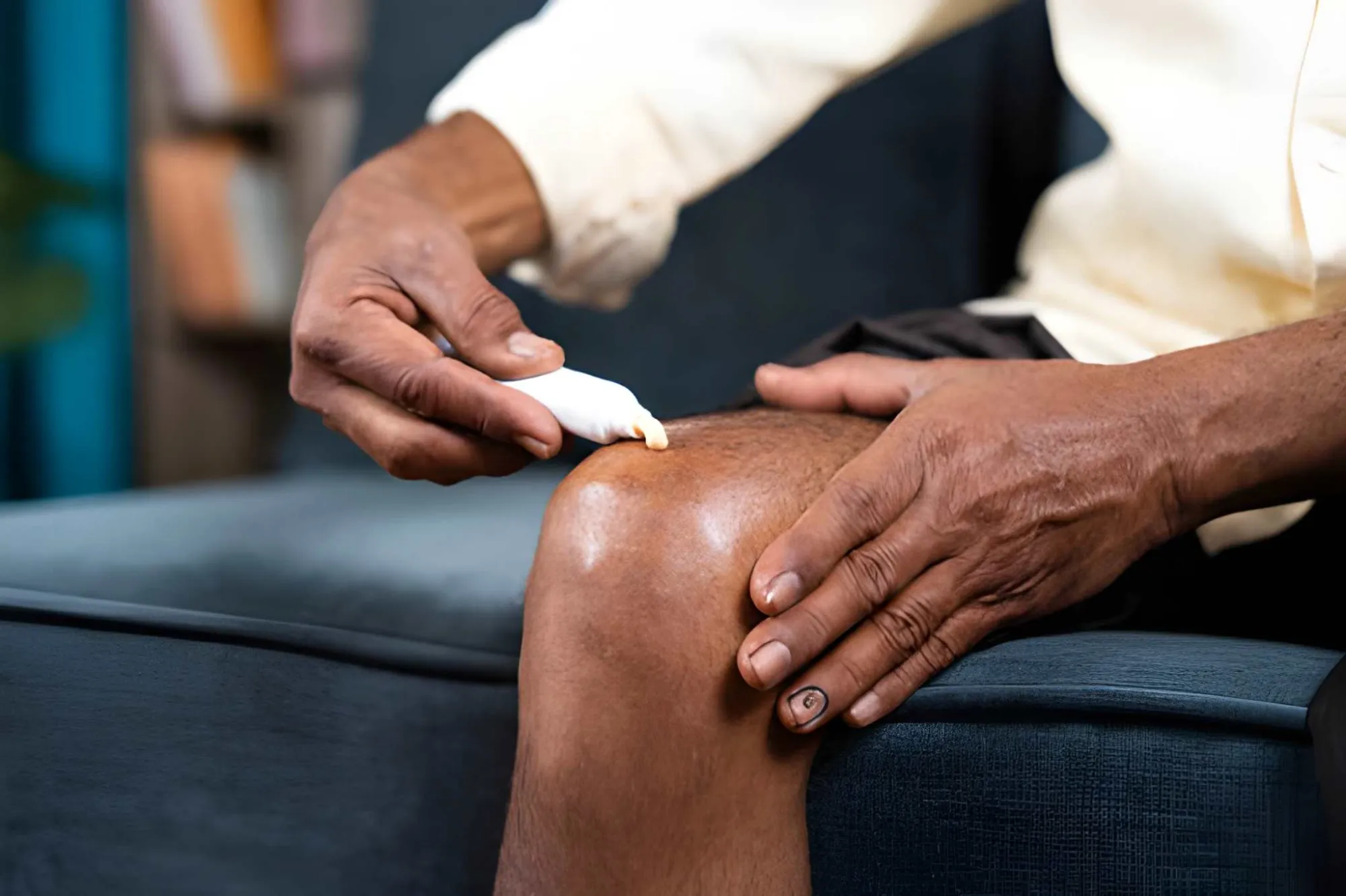

Most people don't think about their knees until something goes wrong.
Then, suddenly, after a longer walk than usual, a day spent on a ladder, or simply getting up from the couch, there's that familiar stiffness or dull ache that makes you wonder how much you've been asking of them without noticing.
The answer is: a lot. Knees are among the most loaded joints in the body, and they absorb that load quietly and continuously until they can't anymore. Building habits that support them before discomfort becomes a regular companion is the smarter approach, and for many people, that now includes magnesium cream for knee pain as part of an intentional recovery routine.
What Knees Are Doing All Day
The knee connects the thigh bone to the shin bone through a system of cartilage, ligaments, tendons, and surrounding muscles. It's a sophisticated structure asked to do a lot of unglamorous work.
Getting out of bed. Walking through the grocery store. Climbing stairs. Kneeling in the garden. Carrying laundry. Sitting down and standing up dozens of times. Driving. Exercising. Every one of these movements runs through the knee, and that repetition accumulates over years in ways that show up gradually rather than all at once.
Occasional knee discomfort is one of the most common physical complaints among adults, and it's rarely the result of one dramatic event.
Why Discomfort Develops
Most knee discomfort comes from ordinary life, not injuries. Common contributors:
Repetitive movement. Frequent bending, squatting, climbing, and lifting place ongoing mechanical stress on the joint. Over time, that stress adds up.
Prolonged sitting. Long hours of inactivity stiffen the joint and reduce the circulation that supports tissue health. The knees weren't designed for eight hours of static compression.
Sudden increases in activity. Going from relatively inactive to suddenly hiking, running, or doing physical work challenges muscles and joints that haven't had time to adapt. That gap is where discomfort tends to emerge.
Occupational load. Jobs that involve extended standing, heavy lifting, or repetitive crouching place consistent demand on the knees that doesn't reset overnight.
Why the Surrounding Muscles Matter So Much
Knees don't work alone. The muscles around them, the quadriceps, hamstrings, calves, and hip stabilizers, absorb and redistribute force during movement. When those muscles are strong and flexible, the joint itself takes less direct impact.
This is why exercise remains one of the most evidence-backed things a person can do for knee health. Walking, low-impact strength training, gentle stretching, and staying generally active all contribute to the muscular support that protects the joint over time. Prolonged inactivity does the opposite; it weakens that support structure and leaves the knee carrying more load than it should.
Recovery after demanding days matters equally. Applying magnesium cream for knee pain in the evening, massaged into the joint and surrounding muscles, gives deliberate attention to an area that's been under load all day and rarely receives it.
Where Magnesium Fits In
Magnesium contributes to muscle function, nerve transmission, energy production, bone health, and protein synthesis. It's involved in the processes that allow muscles to contract and relax. Adequate magnesium supports the muscular environment around the knee, helping surrounding tissue recover from the demands of the day.
Many adults don't consistently meet recommended magnesium intake through diet alone, even with leafy greens, nuts, seeds, legumes, and whole grains in the mix. Topical application through magnesium cream for knee pain allows targeted absorption directly at the site of tension, which suits people managing localized discomfort rather than looking for a whole-body supplement effect.
Small Habits That Support Long-Term Knee Health
Move consistently. Daily walking and low-impact exercise maintain the flexibility and muscular support that the knee depends on.
Stretch the surrounding muscles. Tight hamstrings and quadriceps pull on the knee joint. Keeping them flexible reduces that tension.
Wear supportive footwear. Shoe choice affects alignment all the way up through the knee. This is an underappreciated variable in chronic knee discomfort.
Listen to early signals. Mild stiffness that appears regularly is the body flagging something worth addressing. Waiting until it becomes more severe limits the options.
Apply magnesium cream for knee pain as part of a consistent evening routine. Not just when symptoms spike, regular use supports baseline recovery in a way that reactive use doesn't.
When Medical Evaluation Is Necessary
Persistent knee pain beyond a few weeks, swelling, instability, pain following an injury, or symptoms that limit normal movement all warrant professional assessment. Magnesium cream for knee pain supports comfort and recovery. It isn't a substitute for diagnosis when something more serious is happening.
Final Thoughts
Knees carry an enormous workload every day without recognition until discomfort makes them impossible to ignore. Long-term knee health comes from habits, not interventions. Moving consistently, developing the muscular support around the joint, making smart footwear choices, and using magnesium cream for knee pain as part of a recovery routine create a foundation that holds up over time. The joints that serve people best across decades are almost always the ones that received steady, unglamorous attention along the way.




























Sign in to leave a comment.