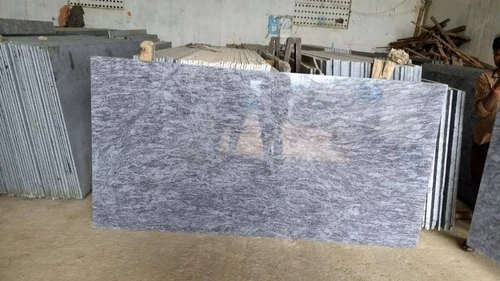

Lavender Blue Granite has quietly built a strong reputation among architects, designers and large scale buyers who care deeply about color consistency. In the world of natural stone tonal stability is not just a bonus feature. It is often the deciding factor when selecting material for projects that demand visual harmony across wide spaces. Nobody wants a floor that shifts color halfway through a lobby or countertops that appear mismatched under evening lighting.
What makes Lavender Blue Granite stand apart is its ability to hold its tone with surprising reliability. While every natural stone carries variation this particular granite tends to remain visually balanced across slabs when sourced correctly. That reliability is exactly why many contractors choose it when they plan to buy export quality granite slabs in bulk.
This article explores why Lavender Blue Granite maintains tonal stability, what geological factors support that stability and how buyers can ensure they receive consistent material from a trusted natural stone supplier and exporter.
Understanding tonal stability in natural stone
Before diving into the specifics it helps to understand what tonal stability actually means. In granite it refers to how consistently the base color and mineral distribution appear across slabs from the same quarry zone. Absolute uniformity does not exist in nature and experienced buyers know that. What they want is predictability.
Tonal stability allows designers to plan layouts confidently. It reduces installation delays. It prevents the uncomfortable moment when someone notices that half the room looks slightly darker than the rest.
Lavender Blue Granite performs well here because of its mineral composition and formation process which tend to produce a steady background color rather than extreme contrast shifts.
The geological story behind its consistent color
Granite forms when molten rock cools slowly beneath the earth’s surface. The slower the cooling process the more evenly minerals can crystallize. Lavender Blue Granite is believed to have formed under conditions that supported gradual mineral growth. This leads to a smoother distribution of quartz feldspar and darker minerals across the stone.
Instead of heavy patches or abrupt color pools you typically see a controlled blend of soft lavender tones mixed with blue grey crystals. This balanced structure is the main reason tonal jumps are less frequent compared to some high contrast granites.
Still geology is never perfectly uniform. Sections of a quarry can differ slightly which is why working with a knowledgeable natural stone supplier and exporter matters more than people realize.
Mineral balance plays a major role
Look closely at a slab of Lavender Blue Granite and you will notice how evenly the minerals appear scattered rather than clumped together. Stones with aggressive mineral clustering often create dramatic color swings from slab to slab. Lavender Blue Granite usually avoids that.
The feldspar crystals contribute to the faint lavender warmth while quartz introduces brightness that keeps the surface from looking muddy. Darker minerals add definition without overwhelming the background.
This balance helps the stone maintain a steady tone even when viewed from different angles. Walk across a large installation and you are less likely to see distracting visual breaks.
Quarry practices influence tonal reliability
Not all tonal stability comes from nature alone. Quarry management plays a quiet but critical role. Responsible quarry teams extract blocks systematically rather than randomly. They track zones inside the quarry so slabs cut from nearby blocks share similar color characteristics.
When buyers plan to buy export quality granite slabs in bulk they should ask about block sourcing. Are the slabs coming from the same quarry pocket? Are they cut sequentially? These questions might feel technical but they protect your project from unnecessary variation.
A seasoned natural stone supplier and exporter typically maintains block records and organizes inventory by shade range. That kind of discipline is often the difference between a smooth installation and a stressful one.
Cutting methods help preserve visual consistency
Once blocks leave the quarry the cutting stage begins. Proper cutting does not just shape slabs it preserves tonal continuity. Sequential cutting ensures slabs follow each other in natural order which helps installers maintain flow during placement.
If slabs from unrelated blocks are mixed the tone may still be similar but the subtle rhythm of the stone gets lost. That is why many professionals request bundle photos before shipment.
When you buy export quality granite slabs in bulk always confirm that slabs are grouped thoughtfully rather than pulled randomly from warehouse stock.
Surface finishing and its effect on tone
Finish type can influence how we perceive color even when the stone itself has not changed. A polished surface reflects more light which enhances the lavender and blue undertones. Honed finishes soften the look and create a more muted impression.
Neither finish harms tonal stability but they shape how the eye interprets it. Large commercial spaces often prefer polished Lavender Blue Granite because it maximizes brightness and highlights the stone’s natural clarity.
Make sure the finish is consistent across your order. Mixing finishes unintentionally can trick the eye into thinking the stone color varies.
Performance under different lighting
One reason designers trust Lavender Blue Granite is how calmly it behaves under shifting light conditions. Some stones appear warm in daylight but turn dull under artificial lighting. Others exaggerate shadows and create uneven patches across floors.
Lavender Blue Granite usually holds its personality whether it sits under natural sunlight or indoor fixtures. The mineral blend reflects light in a balanced way so the tone does not swing dramatically from morning to evening.
Still it is wise to review slab photos in multiple lighting setups before approval. A reliable natural stone supplier and exporter will understand why that matters and provide accurate visuals.
Ideal applications where tonal stability matters most
Consistency becomes crucial in projects with uninterrupted surfaces. Think airport corridors, hotel lobbies, retail floors and large kitchens. These environments expose every variation because the eye travels across wide areas without obstruction.
Lavender Blue Granite performs beautifully in such settings. Its stable tone supports a clean architectural language without competing for attention.
Homeowners also appreciate this quality in open concept layouts where kitchen dining and living spaces blend together. The stone anchors the design rather than distracting from it.
Mistakes buyers should avoid
Even a stable granite can disappoint if buyers skip basic planning. One common mistake is approving a small sample and assuming the entire shipment will mirror it exactly. Samples provide direction not guarantees.
Another misstep is ignoring supplier communication. If shade ranges are offered, review them carefully instead of rushing the order.
When you buy export quality granite slabs in bulk ask for recent bundle images and confirm quantities from the same lot. It might take an extra day but it saves weeks of regret.
Transportation and packaging also matter
Tonal stability does not end at the factory. Proper packaging protects slabs from moisture dust and surface staining during transit. Poor storage can temporarily darken areas which causes unnecessary panic at delivery.
Professional exporters use protective wrapping and allow slabs to dry fully before creating. These practices ensure the granite arrives looking exactly as expected.
Choosing a dependable natural stone supplier and exporter reduces these risks significantly.
Why designers keep coming back to this stone
Design trends change quickly but stones with dependable color rarely fall out of favor. Lavender Blue Granite offers enough character to feel interesting yet enough restraint to stay timeless.
Designers enjoy working with materials they can predict. Predictability allows creativity to flourish because fewer adjustments are needed during installation.
Contractors appreciate it too since steady color means fewer client complaints and smoother project timelines.
Final thoughts
Lavender Blue Granite maintains tonal stability because of a rare combination of geological balance, responsible quarrying and careful processing. While no natural stone is perfectly identical this granite provides the kind of visual reliability that large projects demand.
If you plan to buy export quality granite slabs in bulk, focus on sourcing as much as on appearance. Partner with a natural stone supplier and exporter who understands block selection slab sequencing and honest communication.
When handled with that level of care Lavender Blue Granite delivers what every designer hopes for. A surface that feels unified, calm and confidently natural. And honestly that peace of mind is worth just as much as the stone itself.



























Sign in to leave a comment.