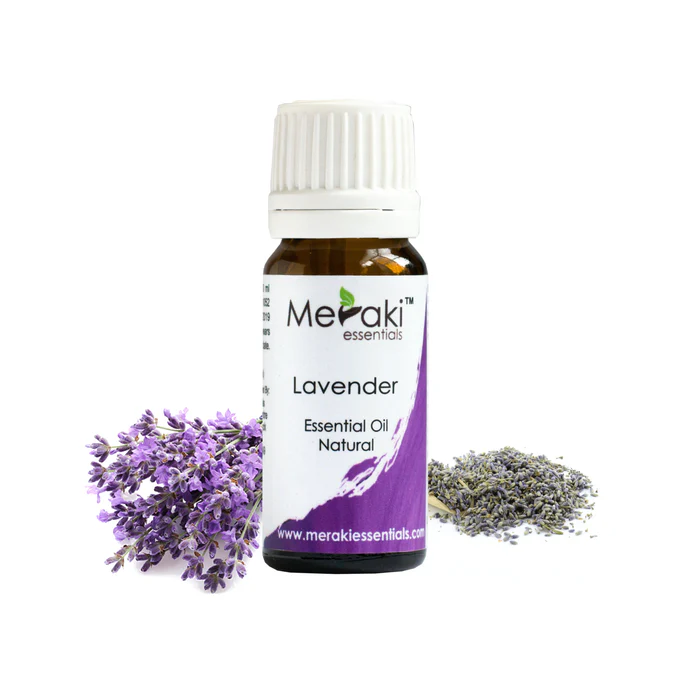

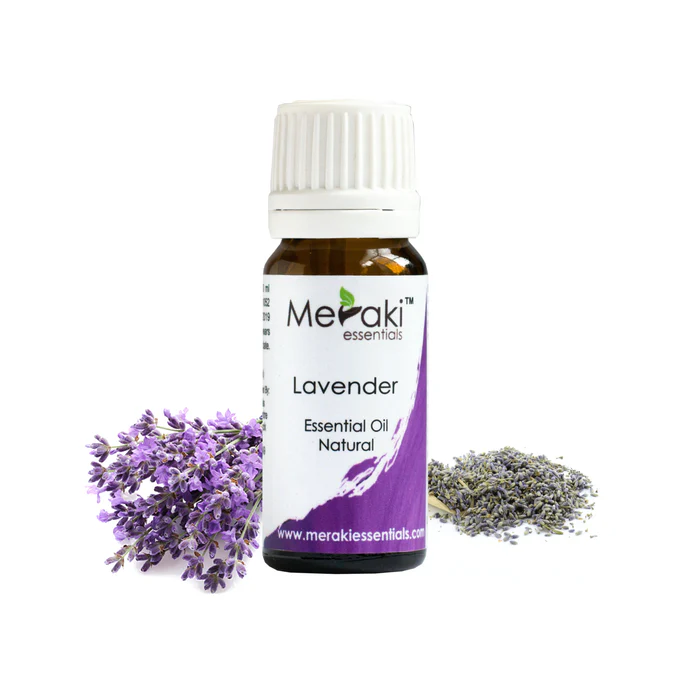
Lavender Essential Oil is one of the most versatile and gentle oils you can add to daily life. From improving sleep to calming skin and lifting mood, its benefits are wide-ranging and easy to use. Below you’ll find simple, practical ways to include lavender in your routine, the science-backed reasons it works, safety tips, and quick DIY ideas.
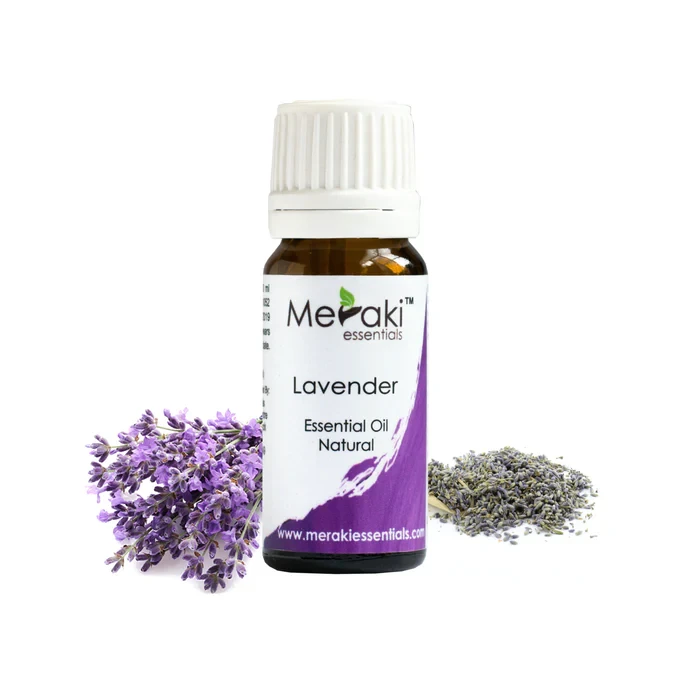
What makes Lavender Essential Oil special?
Lavender has a balanced aroma that’s floral, fresh, and slightly sweet — pleasant without being overpowering. Chemically, it contains compounds like linalool and linalyl acetate that are linked to calming and soothing effects. Because it’s gentle, lavender is one of the best starter oils for beginners and works well diluted on skin, in diffusers, or in baths.
Benefits at a glance
- Promotes relaxation and better sleep
- Reduces mild anxiety and stress
- Soothes irritated or dry skin
- Helps ease minor muscle tension and headaches
- Adds a calming touch to cleaning and self-care rituals
How to use Lavender Essential Oil every day
Lavender is easy to incorporate — here are practical, low-effort options:
Morning
Add 1–2 drops to your morning face oil or moisturizer (diluted in a carrier oil) to soothe skin and start the day calmly. Or place a drop on a cotton pad near your pillow while you make coffee to carry a gentle scent into your morning.
Daytime
Use a diffuser in your workspace for focus and stress reduction. A short 10–20 minute diffusion session can be refreshing without overwhelming the room.
Night
For sleep, mix 2 drops with 1 tsp of carrier oil and rub on your wrists or the soles of your feet. A lavender-scented linen spray (3–5 drops in 100 ml water, shaken before use) on pillowcases helps signal bedtime to your brain.
Skin & body
Dilute lavender in a carrier oil (1–3% dilution) to calm sunburn, redness, or minor irritation. It’s also a lovely addition to a relaxing massage blend with jojoba or sweet almond oil.
The science behind the calm
Studies show that inhaling lavender can reduce anxiety and improve sleep quality in many people. The compounds in lavender interact with the nervous system to produce a calming effect. Topical use (when properly diluted) can help soothe inflammation and skin irritation thanks to lavender’s mild anti-inflammatory properties.
Safety & simple guidelines
Lavender is generally safe but follow these rules:
- Always dilute with a carrier oil for skin (1–3% for adults).
- Do a patch test before first topical use.
- Avoid ingestion unless under a qualified practitioner’s guidance.
- Keep out of reach of children and pets; check veterinary guidance for pet safety.
- Pregnant or breastfeeding? Consult your healthcare provider before regular use.
Quick DIY recipes (easy and effective)
Sleep roll-on
- 10 ml roller bottle, fill with carrier oil
- Add 6–8 drops Lavender Essential Oil
- Roll on wrists or neck before bed.
Calming linen spray
- 100 ml distilled water + 10 ml witch hazel in a spray bottle
- Add 10 drops Lavender Essential Oil
- Shake before use; spritz on pillows and linens.
Soothing muscle blend
- 30 ml carrier oil + 10 drops lavender + 4 drops peppermint (optional)
- Massage onto tense shoulders or sore areas.
Final thoughts
Lavender Essential Oil is a gentle, multipurpose ally for mental calm, better sleep, and simple skincare. It’s accessible, safe when used correctly, and fits easily into morning, daytime, and nighttime routines — making it a smart, low-effort addition to daily self-care.
Want to try a high-quality lavender oil? Visit Meraki Essentials to explore our selection and find the right option for your routine.
FAQs
Q1: How much Lavender Essential Oil should I use in a diffuser?
A: For a standard home diffuser, 3–6 drops are usually enough. Start low and increase by one drop if you want a stronger scent.
Q2: Can I apply Lavender Essential Oil directly to my skin?
A: No — always dilute in a carrier oil first. A safe starting dilution for adults is about 1% (roughly 6 drops per 30 ml carrier oil) for facial use and up to 2–3% for body massage.
Q3: Is Lavender Essential Oil safe for children and pets?
A: Use caution. For young children, use much lower dilutions and consult a pediatrician. For pets, especially cats, check with a veterinarian — some essential oils can be harmful to animals.



























Sign in to leave a comment.