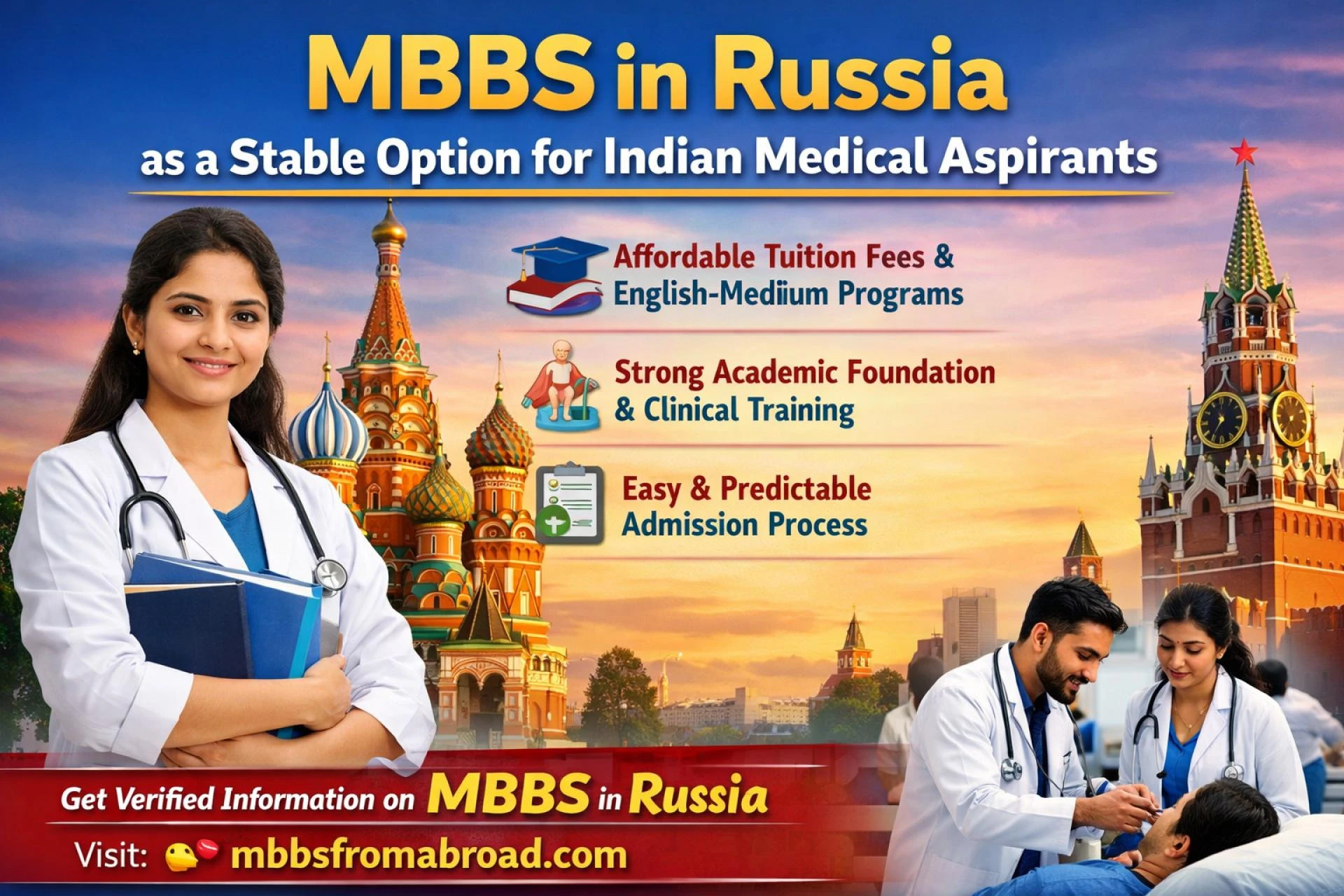

For many Indian students, the challenge of becoming a doctor does not end with clearing NEET. The real difficulty often begins afterward—limited government seats, unpredictable counselling outcomes, and the financial burden of private medical colleges. In such circumstances, students who value order, discipline, and steady progress often look for alternatives that offer clarity rather than chaos.
MBBS in Russia has gained attention among such students because it follows a disciplined academic structure. Instead of uncertainty and repeated waiting, it provides a system where education progresses through clearly defined stages, allowing students to focus on learning rather than constant competition.
Academic Discipline as the Foundation of Medical Training
Medical education requires discipline more than speed. Russian medical universities emphasize regular attendance, continuous assessments, and adherence to academic schedules. This approach helps students develop consistency in their studies rather than relying on last-minute preparation.
From the first year onward, students follow a fixed timetable of lectures, laboratory sessions, and practical classes. This routine creates a learning rhythm that improves retention and understanding. Over time, discipline becomes a habit rather than an obligation.
For students who prefer structured environments, this academic discipline becomes a strong advantage.
Strong Emphasis on Core Medical Sciences
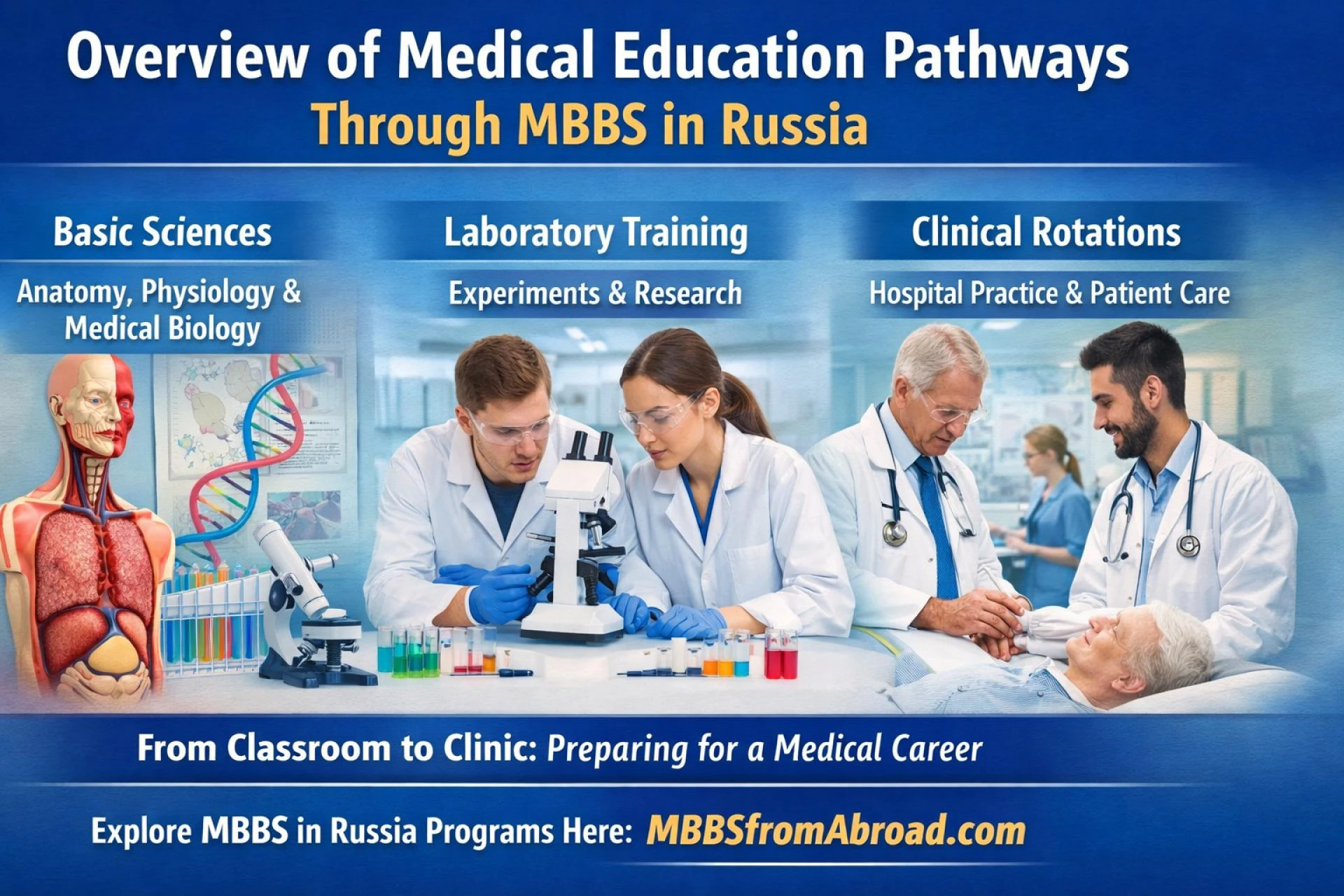
The early years of MBBS in Russia focus heavily on foundational subjects such as anatomy, physiology, biochemistry, histology, and pathology. These subjects are taught in depth, supported by practical demonstrations and laboratory work.
Instead of memorizing isolated facts, students are encouraged to understand how systems function and how diseases affect the body. This concept-driven approach strengthens analytical thinking and prepares students for clinical reasoning.
A strong foundation in basic sciences makes advanced medical subjects easier to understand and apply.
Continuous Evaluation Encourages Consistent Learning
Rather than depending solely on final examinations, Russian universities follow a system of continuous evaluation. Students face periodic tests, oral assessments, and practical exams throughout the academic year.
This system encourages regular study and reduces exam-related stress. Students remain academically engaged and can identify areas that need improvement early.
Continuous evaluation also promotes accountability and helps students maintain focus during long academic terms.
Gradual Clinical Exposure Builds Professional Confidence
Clinical training is one of the most important phases of MBBS. In Russia, this phase is introduced gradually to ensure students are prepared mentally and academically.
Students begin with observation in teaching hospitals, where they learn hospital protocols, patient interaction, and documentation practices. Over time, they assist under supervision and later take on responsibilities appropriate to their training level.
This step-by-step exposure helps students develop confidence without fear. Mistakes become learning opportunities rather than sources of anxiety.
English-Medium Instruction With Language Adaptation
Language barriers often discourage students from studying abroad. Russian medical universities address this by offering English-medium MBBS programs for international students.
Lectures, textbooks, and examinations are conducted in English, ensuring academic clarity. At the same time, students receive basic Russian language training to manage daily life and communicate during hospital postings.
This balanced approach helps students adapt smoothly while maintaining academic comfort.
Financial Stability Supports Academic Focus
Financial pressure can negatively affect academic performance. MBBS in Russia is often preferred for its affordable tuition fees and predictable living costs.
Unlike private medical colleges in India, where fees can escalate unexpectedly, Russian universities usually follow transparent cost structures. Families can plan expenses with confidence, reducing long-term stress.
When financial concerns are minimized, students can dedicate more energy to learning and professional development.
Student Life and Holistic Development
Studying medicine abroad also contributes to personal growth. Russian universities provide hostels, libraries, and student support services to help international students settle comfortably.
Indian students often find supportive peer groups and cultural activities that make adjustment easier. Living independently teaches responsibility, time management, and resilience.
These qualities are essential for doctors, who must handle pressure and make critical decisions regularly.
Career Pathways After MBBS in Russia
Completing MBBS in Russia does not restrict future options. Graduates may pursue licensing exams, postgraduate studies abroad, or careers in research and healthcare administration.
The disciplined academic training and clinical exposure prepare students for diverse medical environments. International experience further enhances adaptability and professional confidence.
MBBS in Russia serves as a foundation for long-term career growth rather than a limitation.
Importance of Informed Decision-Making
While MBBS in Russia offers many advantages, informed decision-making is crucial. Students must verify university recognition, eligibility criteria, and post-graduation pathways carefully.
Regulations and licensing requirements may change, so staying updated is essential. Reliable guidance helps students avoid mistakes and align their education with long-term goals.
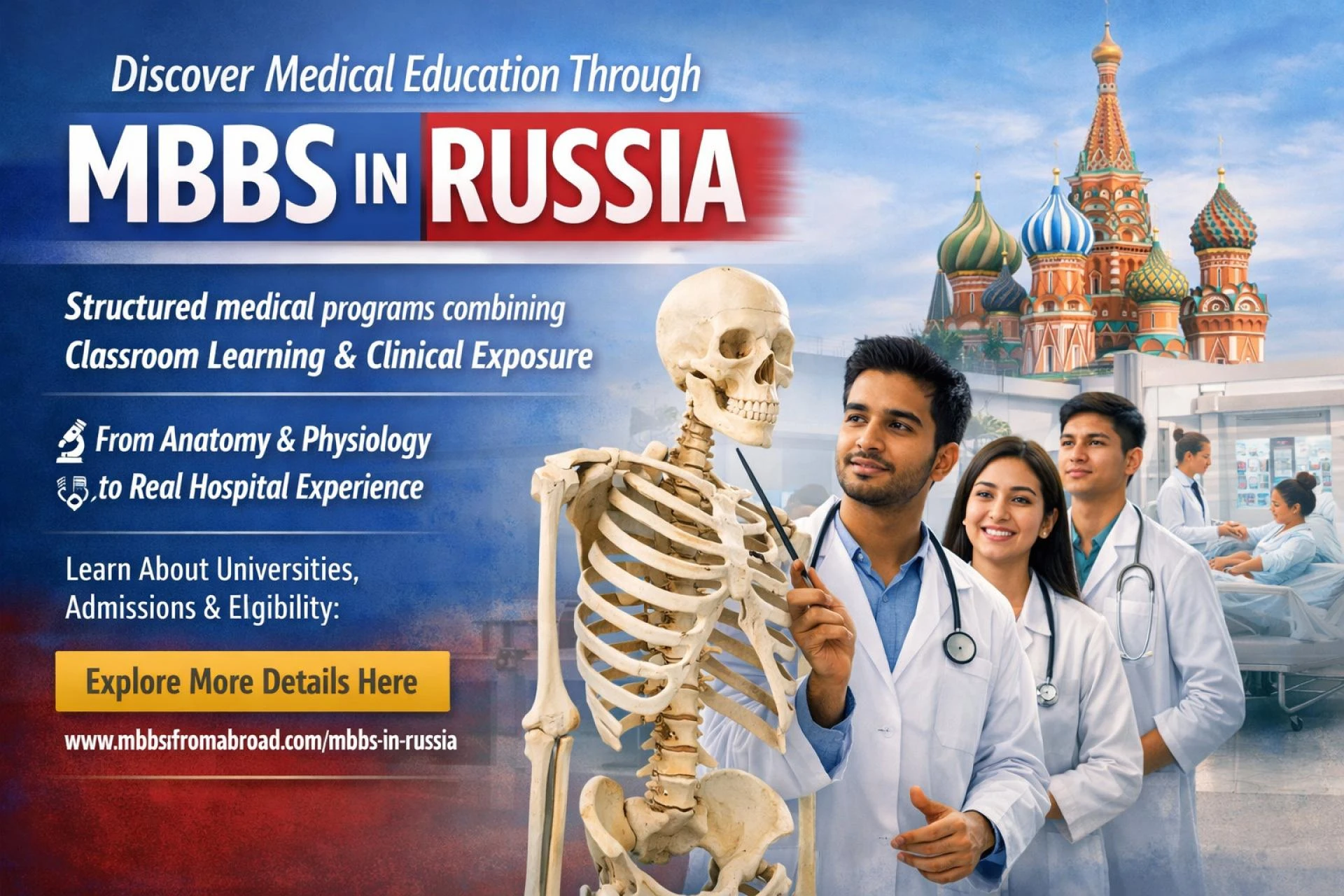
For verified information on universities, eligibility, fees, and admissions related to MBBS in Russia, students can refer to:
👉 https://mbbsfromabroad.com/mbbs-in-russia
Conclusion: Discipline Leads to Long-Term Success
MBBS in Russia appeals to students who value discipline, consistency, and clarity. With structured academics, continuous evaluation, gradual clinical exposure, and financial predictability, it offers a dependable alternative to uncertain systems.
For Indian students seeking a medical education path built on order and long-term planning, MBBS in Russia provides a solid and reliable foundation for a successful medical career.


























Sign in to leave a comment.