
Germany has long been associated with engineering precision, design excellence, and premium manufacturing standards. In 2026, as brands compete in increasingly saturated markets, traditional print materials are no longer enough to capture attention. This shift has led to the growing demand for Mechanical Effect Cards — interactive print solutions that combine motion, structure, and storytelling.
From automotive suppliers in Stuttgart to luxury brands in Munich and innovative startups in Berlin, German companies are embracing interactive print formats that create tactile engagement and lasting brand impressions. But what exactly is driving this rise in popularity?
This article explores the benefits, production process, practical implementation tips, and strategic relevance of mechanical print solutions in the German market.
The Evolution of Print Marketing in Germany
The German market values quality, functionality, and reliability. Static brochures and flat inserts, while still useful, often fail to reflect the innovation behind modern German brands.
Interactive print solutions bridge this gap by introducing motion and physical transformation into printed materials. Instead of simply showing information, these engineered pieces allow audiences to experience it.
Industries adopting interactive card formats include:
- Automotive manufacturing
- Industrial machinery
- Luxury packaging
- Cosmetics and premium retail
- Real estate development
- Trade show marketing
In cities like Frankfurt, Hamburg, Cologne, and Düsseldorf, brands are integrating interactive print materials into exhibitions and corporate communications to stand out.
What Are Mechanical Effect Cards?
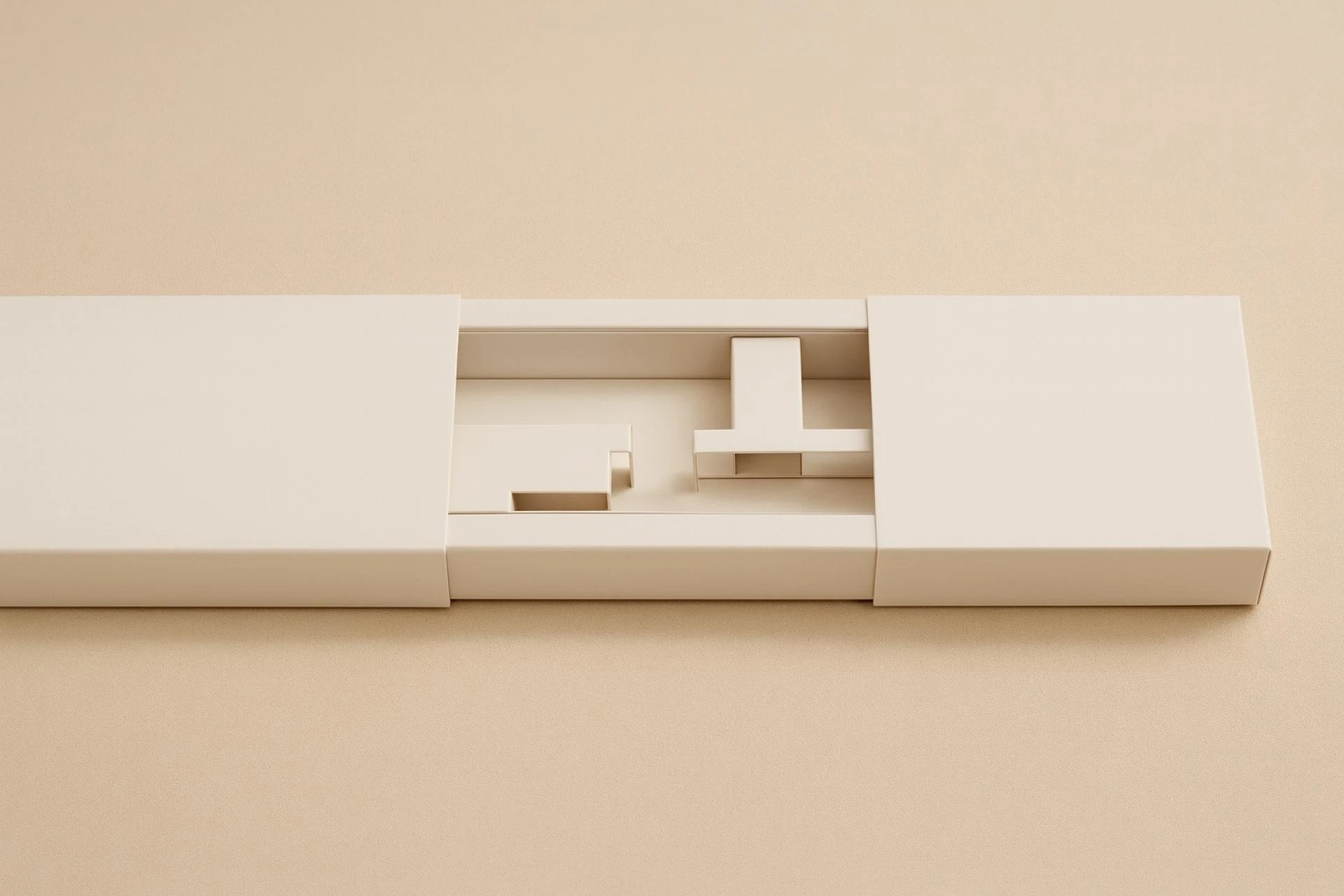
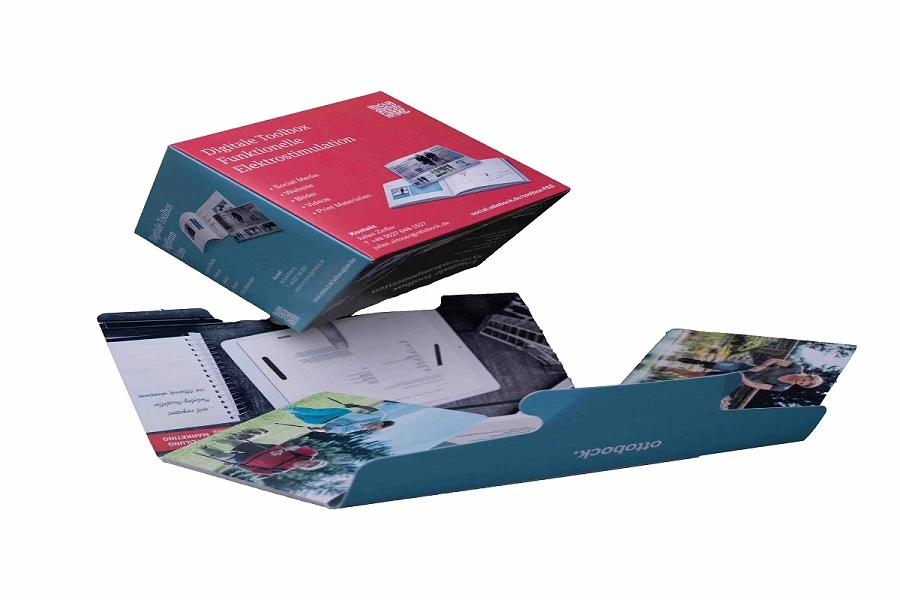
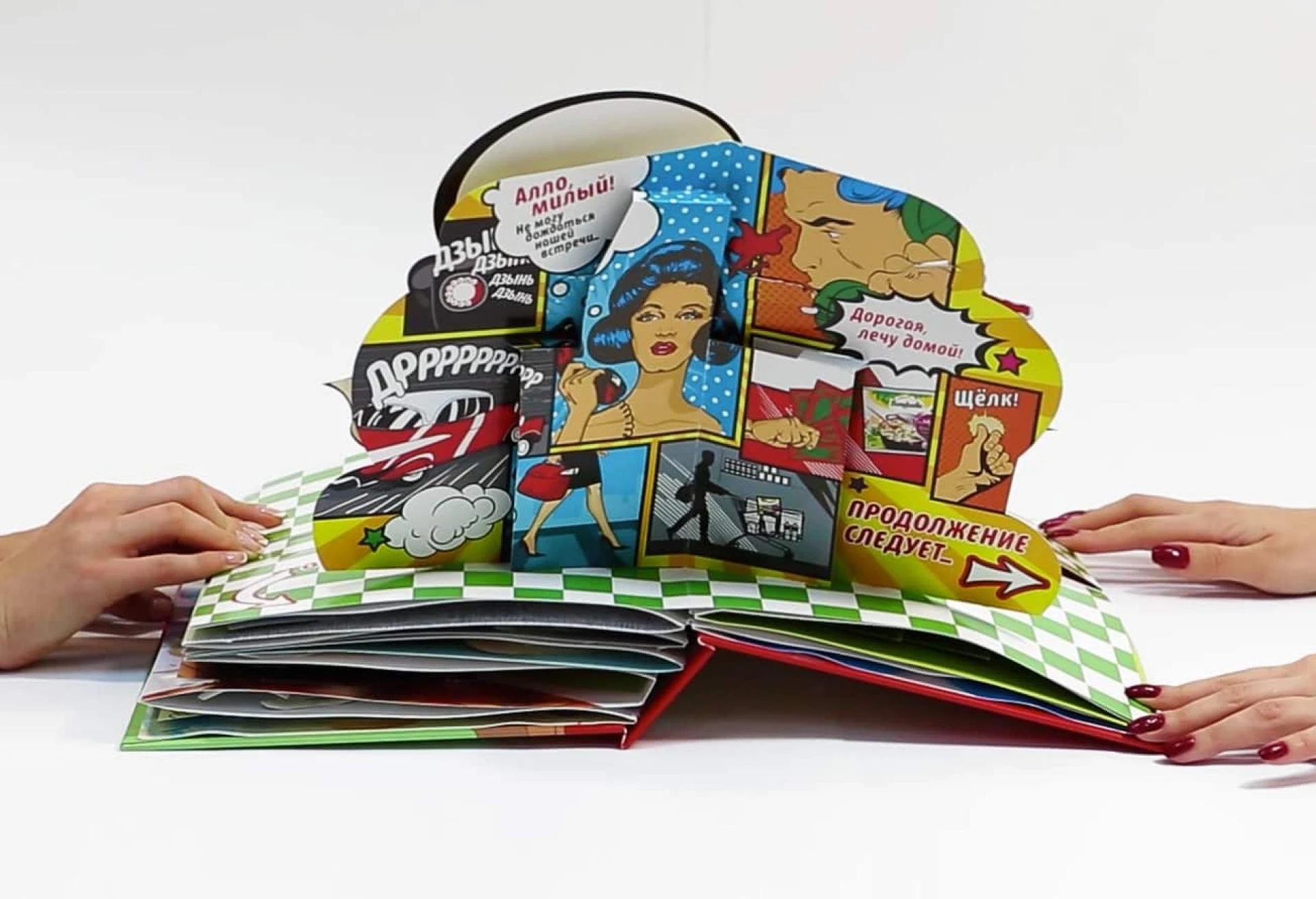
Mechanical Effect Cards are printed materials that incorporate physical movement or engineered mechanisms. Unlike digital animation or optical illusions, the motion is activated manually by the user.
Common mechanisms include:
- Pull-tab reveals
- Slider systems
- Rotating discs
- Pop-up structures
- Layered unfolding panels
These features create engagement through tactile interaction, making communication more memorable.
Why Mechanical Effect Cards Are Gaining Popularity in Germany
1. Alignment with German Engineering Culture
Germany is globally recognized for mechanical innovation. Interactive print solutions reflect the same precision and structural integrity found in German manufacturing.
The physical movement inside the card reinforces a sense of craftsmanship and technical sophistication.
2. Strong Trade Show Impact
Germany hosts some of the world’s largest trade fairs. At exhibitions in Hannover, Munich, or Frankfurt, brands compete intensely for attention.
Interactive cards increase:
- Booth engagement
- Conversation time
- Lead retention
- Brand recall
Visitors are more likely to keep and revisit interactive materials.
3. Premium Brand Positioning
For luxury and high-end sectors, these cards signal attention to detail and innovation. They enhance:
- Corporate presentation kits
- Product launch packages
- High-value client outreach
4. Enhanced Storytelling Capability
Mechanical systems allow brands to demonstrate:
- Before-and-after transformations
- Internal product structures
- Multi-step processes
- Technical features
This makes complex information easier to understand.
5. Differentiation from Digital Saturation
In 2026, digital channels are crowded. Interactive print offers a physical, memorable alternative that complements digital campaigns rather than competing with them.
Mechanical Effect Cards vs Lenticular Cards
Both formats introduce visual dynamism, but they function differently.
Mechanical Systems
- Physical movement
- Tactile interaction
- Higher perceived craftsmanship
- Ideal for premium branding
Lenticular Cards
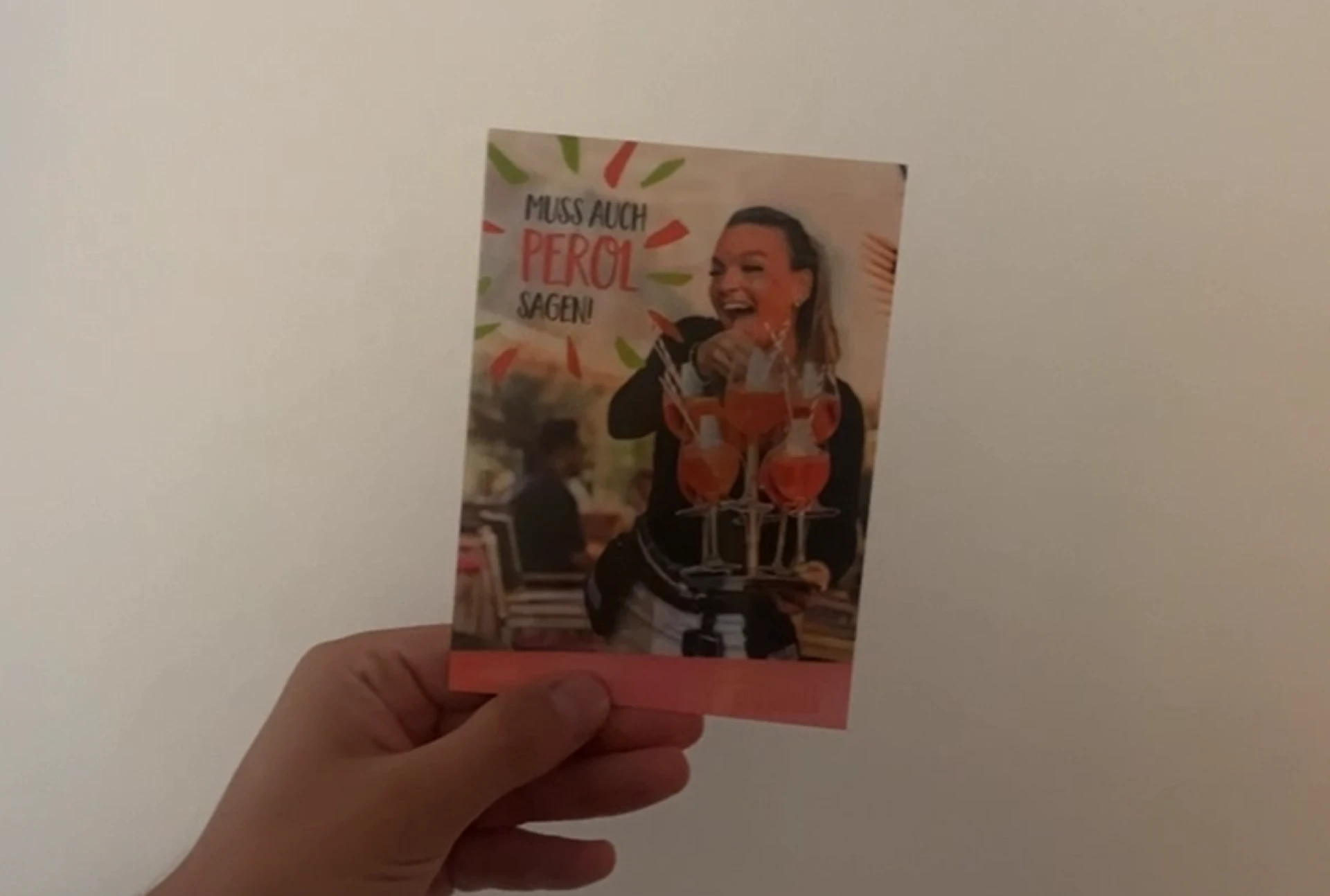
- Optical illusion through lenticular lenses
- Simulated motion without mechanical parts
- Cost-effective for high-volume campaigns
- Suitable for retail promotions
For German B2B brands emphasizing engineering quality, mechanically engineered print often carries stronger impact. However, Lenticular Cards remain effective for consumer-focused campaigns.
The Effect Card Production Process
High-quality Effect Card Production requires structured planning and precision. Below is a typical workflow:
Step 1: Concept Development
Brands define:
- Campaign objective
- Target audience
- Core message
- Type of interaction required
Clarity at this stage prevents costly redesigns later.
Step 2: Structural Engineering
Designers develop technical dielines and mechanical layouts. Precision is essential to ensure smooth movement and durability.
Material selection is also critical, particularly for brands focused on sustainability.
Step 3: Prototyping
A physical prototype is created to test:
- Motion accuracy
- Structural strength
- User experience
- Print alignment
Adjustments are made before full-scale production.
Step 4: Printing and Assembly
High-resolution printing is followed by:
- Die cutting
- Folding
- Mechanical assembly
- Finishing (lamination, embossing, specialty coatings)
Step 5: Quality Control
Each unit undergoes inspection to verify:
- Smooth functionality
- Clean finishing
- Accurate alignment
- Structural consistency
Companies like Sorkin Media Solutions emphasize quality assurance throughout the process to meet German market standards.
Practical Tips for German Brands Considering Interactive Cards
1. Keep Functionality Simple
German audiences value reliability. The mechanism should work smoothly every time.
2. Prioritize Material Quality
Use durable, premium-grade paper stocks and environmentally responsible materials aligned with EU sustainability standards.
3. Test at Small Scale First
Pilot projects allow brands to evaluate response before committing to large production volumes.
4. Integrate with Marketing Strategy
Interactive cards perform best when integrated with:
- Digital landing pages
- QR code tracking
- Trade show campaigns
- Direct mail initiatives
5. Plan Lead Time Carefully
Mechanical production requires additional assembly steps compared to standard print.
Industries Driving Growth in Germany
The popularity of interactive engineered print is particularly strong in:
- Automotive component suppliers
- Industrial automation companies
- Luxury cosmetic brands
- Premium beverage manufacturers
- Real estate developers
- Technology startups
These sectors rely on presentation and product storytelling to influence purchasing decisions.
Long-Term Strategic Value
As Germany continues to compete in global markets, brand differentiation is increasingly important.
Interactive engineered print solutions provide:
- Higher engagement rates
- Stronger brand recall
- Improved trade show ROI
- Enhanced premium perception
- Better storytelling flexibility
Unlike disposable print materials, these interactive pieces are often retained by recipients, extending brand exposure.
Conclusion
The rise of Mechanical Effect Cards in Germany reflects a broader shift toward experiential and precision-driven brand communication. In a market known for engineering excellence and premium standards, interactive print aligns naturally with business culture and consumer expectations.
Through structured Effect Card Production workflows and quality-focused execution, brands can transform traditional print into a dynamic engagement tool. Whether used in trade shows, product launches, or luxury packaging, these solutions offer measurable advantages in visibility and recall.
If your brand is ready to elevate its marketing materials and stand out in Germany’s competitive landscape, Sorkin Media Solutions can help bring innovative print concepts to life with precision and reliability.
Explore how interactive print can redefine your next campaign and drive meaningful engagement.
Frequently Asked Questions (FAQs)
1. Are Mechanical Effect Cards suitable for B2B marketing in Germany?
Yes. They are especially effective for industrial and technical sectors that require visual explanation of complex systems.
2. How long does Effect Card Production take?
Typically 2–4 weeks depending on complexity, volume, and prototyping requirements.
3. Are these cards environmentally sustainable?
They can be produced using recyclable and FSC-certified materials to comply with German environmental standards.
4. What is the cost difference compared to Lenticular Cards?
Mechanically engineered cards are generally more premium due to assembly requirements, while Lenticular Cards are cost-efficient for large-scale campaigns.
5. Are they durable enough for repeated handling?
Yes, when properly engineered and tested, they are designed for repeated user interaction.

























Sign in to leave a comment.