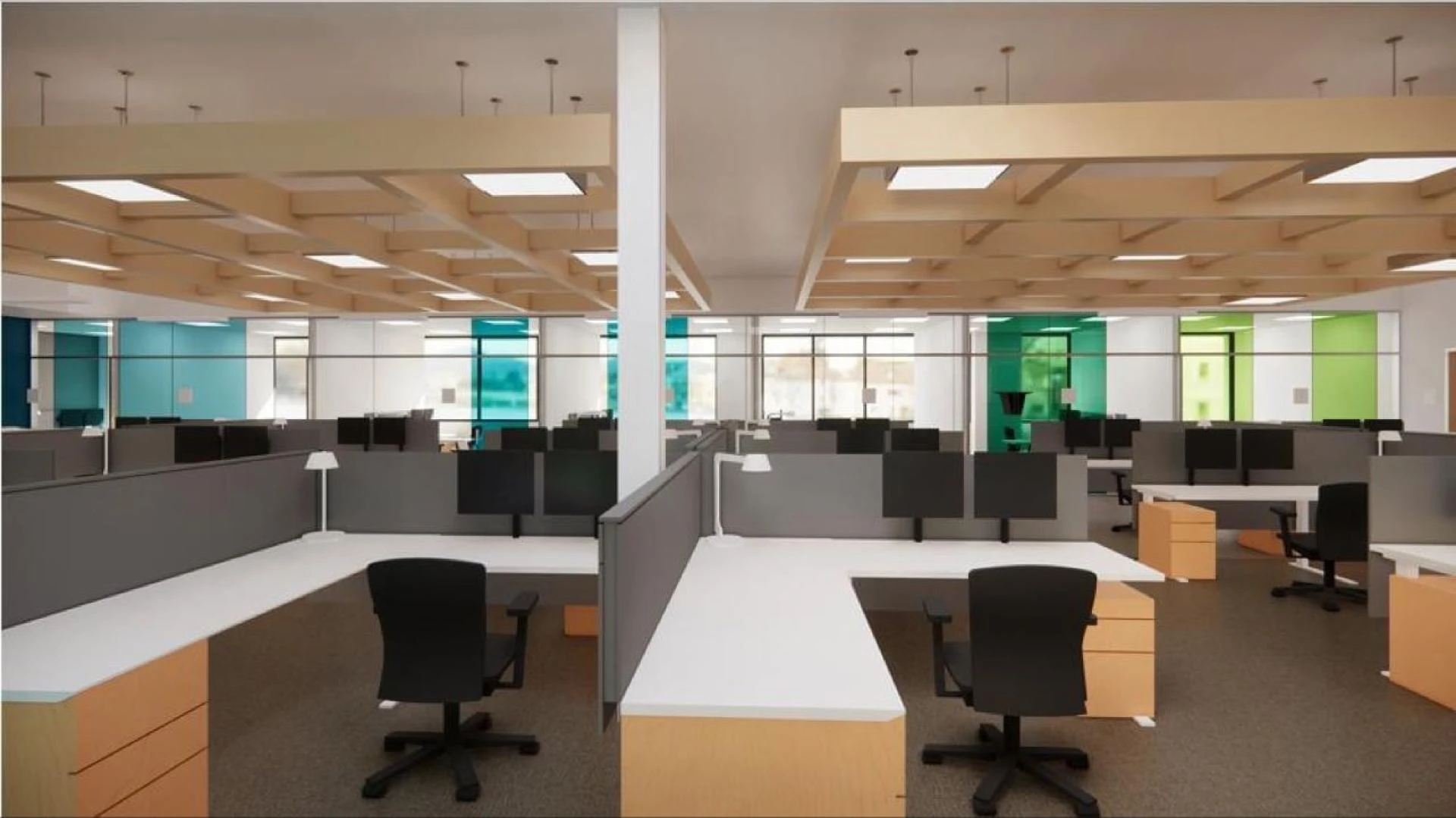

Modern buildings are no longer just static structures made of bricks and steel. In today’s world of smart cities, energy-conscious design, and advanced functionality, what brings buildings to life is MEP Engineering—the seamless integration of Mechanical, Electrical, and Plumbing systems. These systems operate behind the scenes, but they are vital to making buildings safe, functional, efficient, and habitable.
From regulating temperature to ensuring power supply and clean water, MEP systems are the true enablers of everyday operations. Without them, even the most iconic buildings would be lifeless shells. MEP Engineering is not just part of the process; it is the backbone of modern construction.
What Does MEP Engineering Include?
MEP Engineering brings together three core components:
● Mechanical systems, which primarily involve heating, ventilation, and air conditioning (HVAC), help regulate indoor climate and maintain air quality.
● Electrical systems are responsible for lighting, power distribution, fire alarms, security systems, and communication infrastructure.
● Plumbing systems handle water supply, drainage, sewage, gas lines, and fire suppression mechanisms.
Together, these systems serve as the foundation for basic human comfort and safety within any building. They turn an architectural design into a usable, efficient space.
Vital Role in Building Design
MEP Engineering is integrated early in the design phase of construction projects. Architects and structural engineers depend on MEP professionals to align system layouts with the overall building framework. This ensures that ductwork, pipes, and wiring do not interfere with structural components or aesthetic elements. MEP Services Los Angeles
Early coordination between disciplines helps prevent errors, minimizes costly revisions, and improves construction speed. Space planning is also optimized, enabling easier access for future maintenance. When properly coordinated, MEP systems enhance both form and function.
Improving Energy Efficiency
One of the most valuable contributions of MEP Engineering is in enhancing energy efficiency. In an era where buildings account for nearly 40% of global energy use, the demand for low-energy solutions is higher than ever.
MEP engineers design HVAC systems that use zoning, heat recovery, and variable-speed technologies to cut energy use. Electrical engineers incorporate smart lighting, occupancy sensors, and efficient transformers. Plumbing systems feature low-flow fixtures, water meters, and rainwater harvesting.
These improvements not only reduce a building’s environmental impact but also bring long-term savings on energy and utility bills.
Supporting Sustainable Building Goals
Sustainability is now a standard expectation, not a luxury. Green buildings use fewer resources and create healthier environments, and MEP engineers play a direct role in making that possible.
Through the use of renewable energy sources like solar panels and geothermal systems, efficient water management strategies, and sustainable building materials, MEP Engineering helps buildings earn certifications like LEED, BREEAM, or WELL.
Retrofitting existing buildings with upgraded MEP systems is also an essential part of global sustainability initiatives. Whether new or old, every structure benefits from more efficient systems.
Enabling Smart and Connected Buildings
Modern buildings are expected to be intelligent and responsive. MEP systems, enhanced by automation and IoT technologies, make this possible.
Sensors now monitor everything from room temperature and lighting levels to water pressure and energy usage. HVAC systems adjust airflow based on occupancy. Smart lighting dims or brightens depending on daylight levels. Plumbing systems detect leaks and report them in real-time.
These smart integrations are managed and designed by MEP engineers, resulting in buildings that are not just functional—but intuitive, adaptive, and cost-efficient.
Enhancing Occupant Comfort and Health
A building’s primary purpose is to serve the people inside it. MEP systems significantly influence indoor comfort and health.
Well-designed HVAC systems regulate temperature, remove indoor pollutants, and control humidity—critical for both comfort and productivity. Plumbing ensures clean water delivery and hygienic waste disposal. Electrical systems support lighting, appliances, and communication devices that people rely on every day.
Additionally, MEP Engineering enables accessible designs—automatic doors, well-lit exits, climate control for sensitive areas—all of which improve usability for diverse groups of people.
Ensuring Life Safety and Code Compliance
Safety is a non-negotiable aspect of building performance, and MEP systems are integral to achieving it. Electrical engineers design for fault tolerance, short-circuit protection, and emergency power systems. Mechanical engineers ensure smoke control and proper ventilation during fires. Plumbing engineers design pressurized systems to operate sprinklers and hydrants.
These systems must comply with national and local codes, such as fire protection regulations, electrical safety standards, and plumbing hygiene laws. MEP engineers are responsible for ensuring full regulatory compliance, reducing risks, and liabilities.
Construction Coordination and BIM Integration
MEP Engineering involves close coordination with various disciplines in construction. Modern projects use Building Information Modeling (BIM) to visualize and simulate system layouts before actual construction begins.
BIM allows engineers to detect conflicts, optimize space, and coordinate mechanical, electrical, and plumbing paths with structural elements. This proactive planning saves time, cuts costs, and ensures a high-quality installation.
The use of BIM and other digital tools has transformed how MEP systems are designed and delivered—ensuring more efficient workflows and better outcomes on site.
Lifecycle Planning and Maintenance
Buildings are long-term assets, and MEP systems are designed to function effectively over decades. MEP engineers incorporate lifecycle thinking into their designs—choosing materials and equipment that require less maintenance and offer easier servicing access.
Predictive maintenance is now a major trend. Sensors embedded in HVAC, electrical, and plumbing systems alert facilities teams to performance issues before they fail. This reduces downtime, avoids costly repairs, and extends equipment life.
Properly maintained MEP systems also ensure that building performance remains optimized throughout its lifecycle.
Cost Savings and Operational Efficiency
Though installing high-quality MEP systems might raise initial project costs, the long-term savings are substantial. Smart lighting, efficient HVAC, and water-saving plumbing drastically lower operational expenses.
Building automation further minimizes resource waste. Energy management systems allow for real-time monitoring and remote control, helping owners optimize usage patterns and reduce monthly costs.
These efficiencies not only improve return on investment but also make buildings more attractive to tenants and buyers.
Adapting to Innovation and Industry Trends
As technologies advance, buildings must evolve. MEP engineers ensure that buildings are ready for innovations such as EV charging stations, 5G networks, and renewable energy systems.
This forward-thinking design approach makes buildings scalable and future-proof. Whether it's a smart hospital, data center, or airport, MEP systems are engineered to handle advanced technologies and growing user demands.
Engineers also integrate cybersecurity measures into connected systems to protect data and ensure uninterrupted functionality.
The Expertise Behind the Systems
MEP engineers bring a mix of academic knowledge, practical experience, and regulatory awareness to the table. Most hold specialized degrees and certifications in their disciplines, and many pursue continuing education in energy modeling, sustainability, and automation.
Their multidisciplinary approach enables them to design systems that are not only technically sound but also tailored to the user experience. This unique blend of skills allows MEP engineers to play both a strategic and operational role in every building project.
The Invisible Framework of Modern Living
MEP Engineering may not always be visible, but it powers every aspect of a modern building. From lighting and clean air to water supply and digital connectivity, MEP systems provide the essential services that keep buildings running smoothly.
They influence everything from safety and sustainability to user comfort and cost efficiency. As technology, regulations, and expectations evolve, the role of MEP Engineering will only become more central.
Coordination Reports Los Angeles
Coordination Reports Santa Ana
Coordination Reports Santa Monica
Coordination Reports Riverside
In every modern building—residential, commercial, or industrial—MEP Engineering truly is the backbone.





























Sign in to leave a comment.