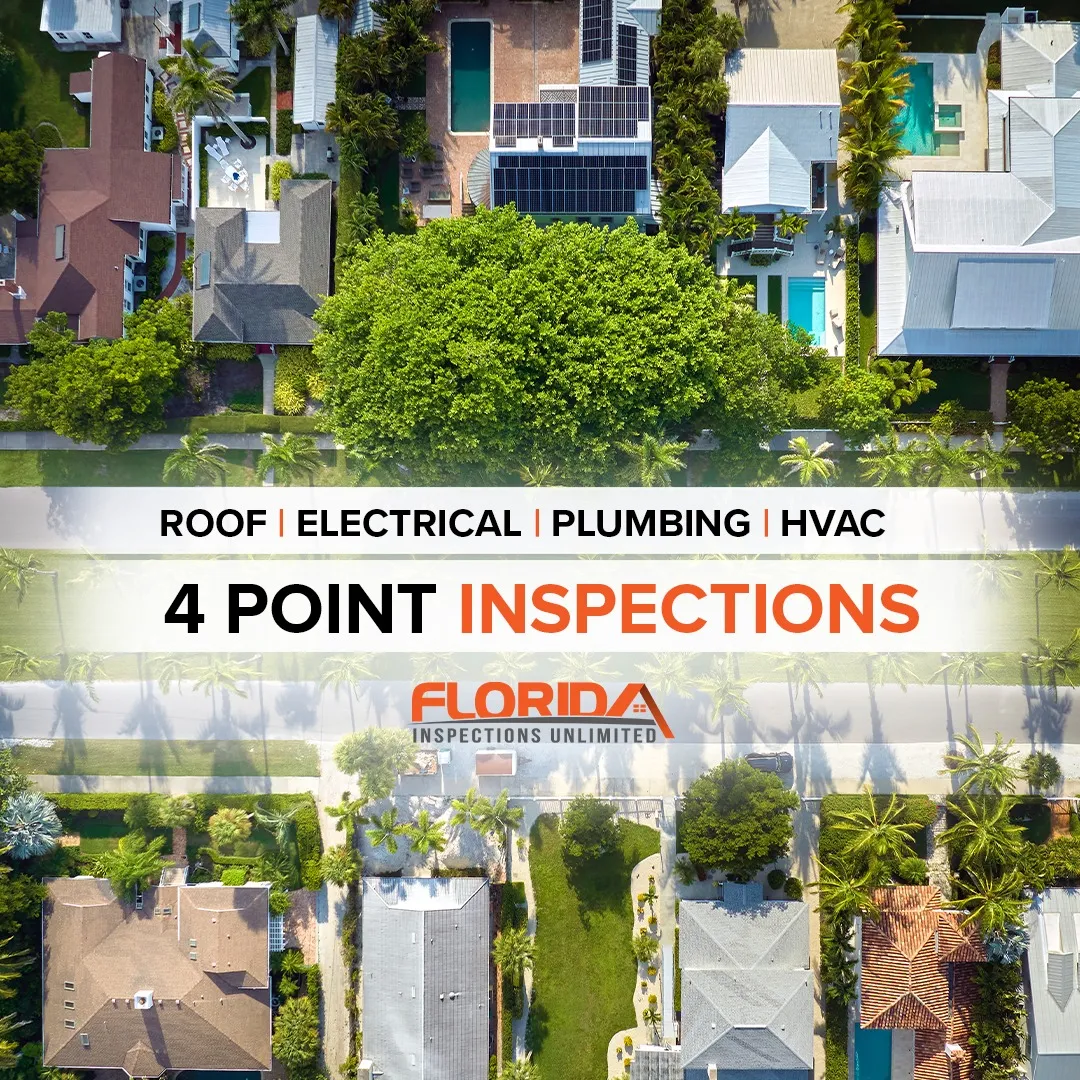
Buying a home in Miami is a big move, and it comes with more risk than many people expect. The market is competitive, properties move fast, and listings can look perfect online. But what shows up in photos is not always the full story.
That’s why experienced buyers don’t rely on surface-level details. They understand that home inspections in Miami play a critical role in protecting their investment before they sign anything final. Skipping this step may save time upfront, but it can lead to serious problems later.
This article breaks down why careful buyers dig deeper, what they are looking for, and how inspections help them make smarter decisions.
The Miami Housing Market Demands Extra Caution
Older Homes Come With Hidden Risks
Miami has a mix of older homes and newer builds. Many properties have been standing for decades, and while they may look updated, underlying systems can still be outdated or worn.
Common issues found in older homes include:
- Aging electrical systems
- Plumbing that no longer meets modern standards
- Structural wear that isn’t visible during a walkthrough
Cosmetic upgrades can hide these problems, which is why buyers need more than a visual check.
Fast-Paced Sales Leave Little Room for Mistakes
Homes in Miami often receive multiple offers quickly. This creates pressure to act fast, and some buyers feel tempted to skip inspections to stay competitive.
That’s a risky move.
Without a proper evaluation, buyers may overlook:
- Costly repairs that show up after closing
- Safety concerns that require immediate attention
- Long-term maintenance issues that affect property value
Smart buyers slow down just enough to verify what they’re getting.
What Buyers Are Really Looking for Before Moving In
Structural Integrity of the Property
The structure of a home is one of the first things serious buyers want checked. Even small signs of damage can point to larger concerns.
Inspectors look for:
- Cracks in walls or foundations
- Uneven floors
- Signs of settling or shifting
These issues can affect safety and lead to expensive repairs if ignored.
Condition of Major Systems
A home is more than walls and a roof. Buyers want to know if the systems that keep the home running are in good shape.
Key systems include:
- HVAC (heating and cooling)
- Plumbing
- Electrical
If these systems are near the end of their lifespan, buyers need to factor that into their decision.
Why Visual Walkthroughs Are Not Enough
Surface-Level Checks Miss Critical Problems
A standard walkthrough is limited. Buyers may notice paint, layout, and design, but they can’t see what’s behind walls or under flooring.
Hidden issues often include:
- Moisture buildup
- Faulty wiring
- Improper insulation
These problems require trained professionals to identify.
Sellers May Not Know About Existing Issues
Not every issue is disclosed because not every seller is aware of it. Some problems develop slowly and remain unnoticed until a detailed inspection is done.
This means buyers can’t rely on disclosures alone. Independent verification is the only way to be sure.
How Inspections Help Buyers Make Better Decisions
Clear Understanding of the Property’s Condition
An inspection provides a detailed report that outlines the current state of the home. This helps buyers understand exactly what they are purchasing.
The report typically covers:
- Structural elements
- Roofing condition
- Electrical and plumbing systems
- Signs of damage or wear
This level of detail removes guesswork from the process.
Stronger Negotiation Power
When buyers have documented findings, they gain leverage during negotiations.
They can:
- Request repairs before closing
- Ask for price adjustments
- Decide whether to move forward or walk away
Without this information, buyers are negotiating blindly.
Common Issues Found in Miami Homes
Moisture and Humidity-Related Problems
Miami’s climate creates constant exposure to moisture. This leads to issues that may not be visible at first glance.
Inspectors often find:
- Damp areas inside walls
- Signs of water intrusion
- Conditions that support indoor air problems
Unchecked moisture can damage materials and reduce indoor comfort.
Roofing and Exterior Wear
Roofs in Miami take a beating from sun, rain, and storms. Even newer roofs can have issues if not properly installed or maintained.
Common findings include:
- Loose or damaged shingles
- Drainage problems
- Wear from weather exposure
Exterior inspections are just as important as interior checks.
What Happens If Buyers Skip the Inspection
Unexpected Costs After Closing
One of the biggest risks is discovering problems after moving in. Repairs that could have been negotiated earlier become the buyer’s responsibility.
These costs can include:
- Electrical repairs
- Plumbing replacements
- Structural fixes
What seemed like a good deal can quickly become expensive.
Safety Risks Inside the Home
Some issues go beyond cost—they affect safety.
Examples include:
- Faulty wiring that increases fire risk
- Structural damage that affects stability
- Poor air quality conditions
These are not problems buyers want to discover after moving in.
The Role of Professional Inspectors
Trained Eyes Catch What Others Miss
Professional inspectors are trained to identify problems that most people overlook. They know where to look and what signs indicate deeper issues.
They use tools and experience to assess:
- Hidden moisture
- System performance
- Structural integrity
This level of detail is not possible during a casual walkthrough.
Detailed Reports Guide Smart Decisions
After the inspection, buyers receive a report that outlines findings in a clear and organized way.
This report helps buyers:
- Prioritize repairs
- Understand risks
- Plan for future maintenance
It becomes a valuable resource even after the purchase is complete.
When Buyers Should Schedule an Inspection
Before Finalizing the Purchase
The best time to inspect a home is before closing. This gives buyers the chance to review findings and make informed decisions.
Waiting until after closing removes that flexibility.
After Major Weather Events
In Miami, storms can impact properties quickly. Buyers may want an additional inspection if a home has recently experienced heavy rain or flooding.
This ensures no new issues have developed since the initial check.
Long-Term Benefits of Taking a Closer Look
Better Financial Planning
Knowing the condition of a home helps buyers plan for future expenses. They can budget for upgrades, repairs, and maintenance without surprises.
This leads to:
- More accurate financial decisions
- Fewer unexpected costs
- Greater confidence in the purchase
Peace of Mind After Moving In
Moving into a new home should feel exciting, not stressful. Buyers who take the time to inspect their property feel more secure about their decision.
They know:
- What condition the home is in
- What needs attention
- What can wait
That clarity makes a big difference.
Final Thoughts for Miami Buyers
Taking a closer look before moving in is not about slowing down the buying process—it’s about making a smarter move. Miami’s unique climate, fast-paced market, and mix of property types make inspections a necessary step, not an optional one.
Buyers who skip this step often learn the hard way. Those who take the time to evaluate a property properly avoid surprises and protect their investment from day one.
A careful approach today can prevent major problems tomorrow.



























Sign in to leave a comment.