Fire safety is a crucial element of modern building design, yet one aspect often overlooked is smoke ventilation. While structural fire protection is vital, effective smoke management can make the critical difference between a safe evacuation and a dangerous environment during a fire. As buildings become larger and more complex, advanced smoke ventilation systems are not just a regulatory requirement — they are a life-saving necessity.
The Growing Risks in Modern Buildings
Modern construction trends favour larger, more open spaces. While aesthetically appealing, these designs create challenges in controlling smoke during a fire. Smoke can spread rapidly, reduce visibility, and expose occupants to dangerous toxins, making safe evacuation far more difficult.
In addition, the effects of climate change — including stronger winds and more unpredictable weather — can influence internal airflow and ventilation performance. This external pressure adds another layer of complexity to ensuring smoke is effectively extracted in an emergency.
Why Smoke Ventilation Systems Are Critical
A well-designed smoke ventilation system provides several key safety benefits:
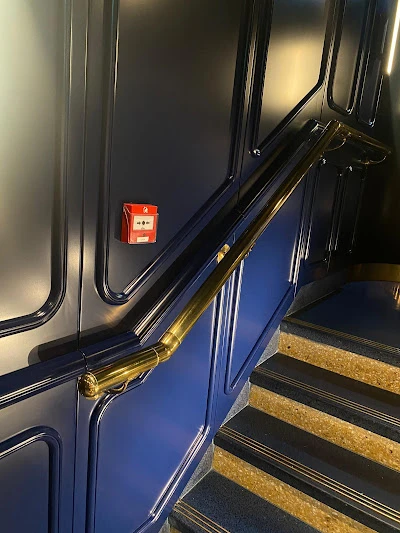
- Clear Escape Routes: Keeping corridors, lobbies, and staircases smoke-free supports quicker, safer evacuations.
- Reduced Fire Damage: By removing hot smoke and gases, these systems help limit the fire’s spread and structural damage.
- Protection for Emergency Services: Clearer access for firefighters can significantly speed up emergency response and rescue operations.
- Regulatory Compliance: Adhering to standards like BS EN 12101 is not optional — it’s essential for building approval and ongoing safety audits.
Key Components of an Effective Smoke Ventilation Solution
A complete system typically includes:
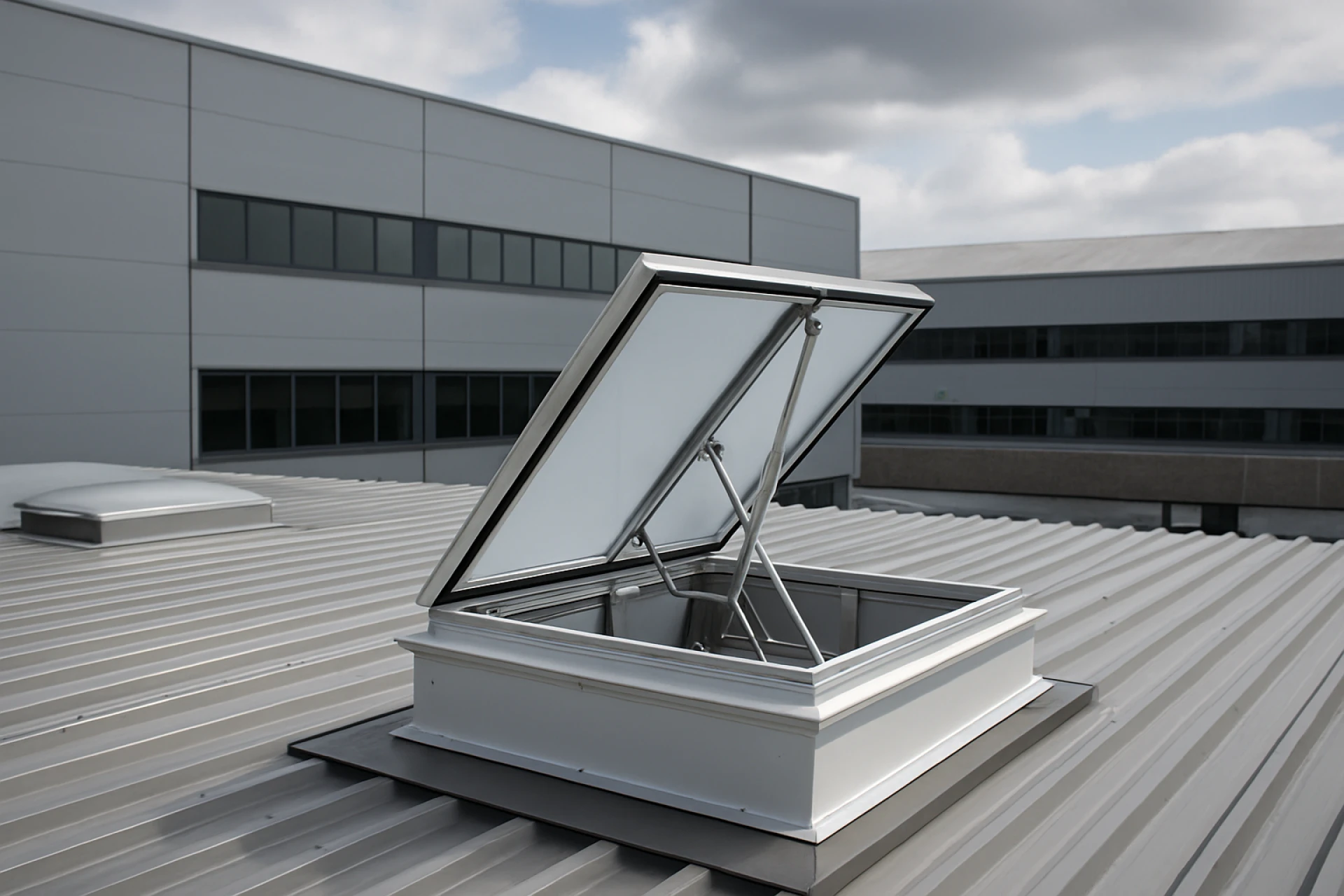
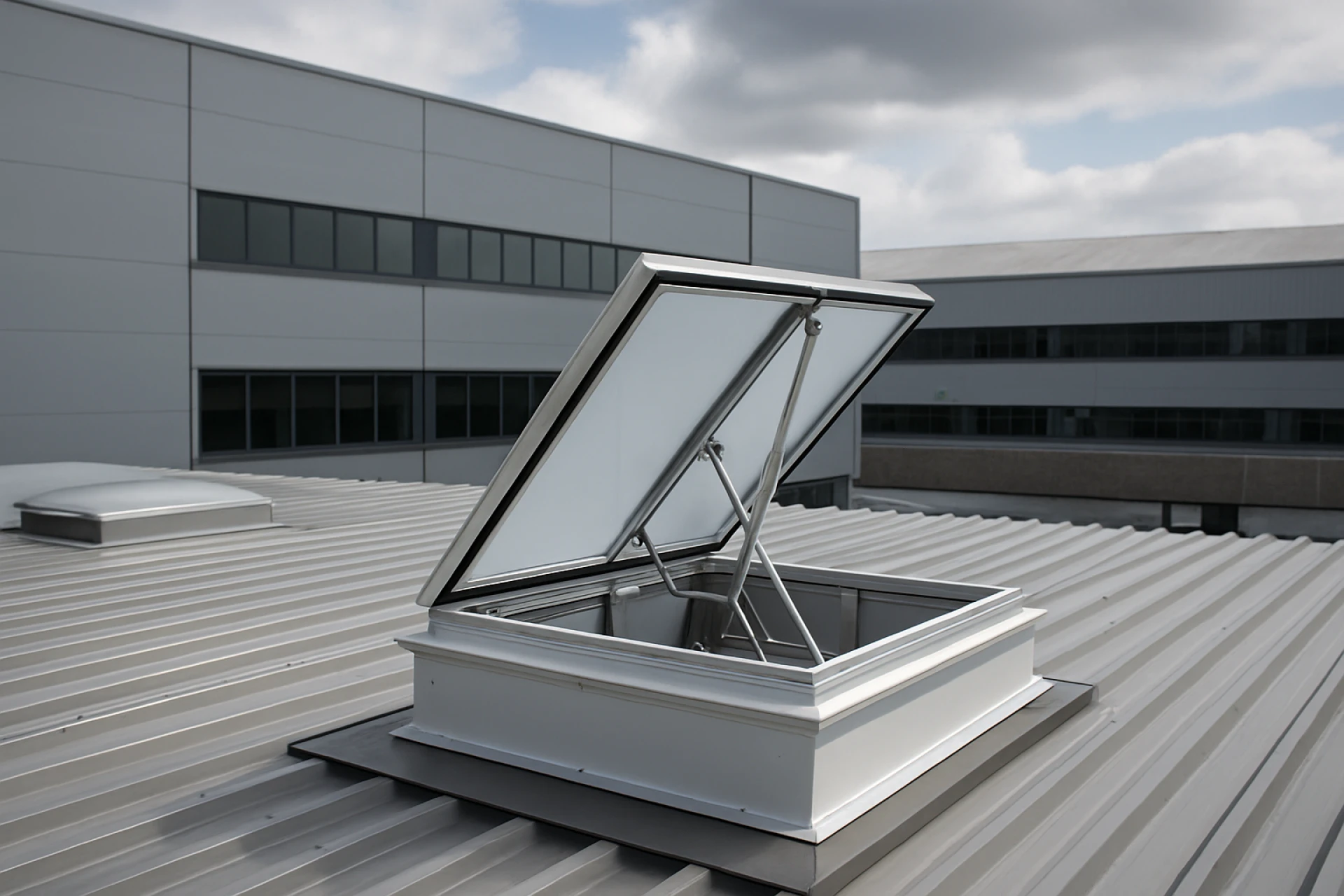
- Smoke vents (automatic opening vents, or AOVs)
- Control panels and sensors
- Fire doors and dampers
- Integrated alarm and emergency power systems
Together, these components create a coordinated response the moment a fire is detected.
The Importance of Tailored Solutions
Every building is unique. Off-the-shelf solutions often fail to account for the particular airflow dynamics, building occupancy, and usage patterns of a site.
Tailored smoke ventilation designs — which factor in weather patterns, building geometry, and evacuation routes — are crucial for reliable performance under real-world conditions.
Protecting More Than Just Compliance
Investing in advanced smoke ventilation protects not just your compliance status, but the people who use your buildings every day. It safeguards employees, customers, visitors, and the long-term value of your property.
A properly maintained smoke ventilation system is a powerful tool in your fire safety strategy — and one you hope you never have to use, but cannot afford to neglect.
Conclusion
As buildings evolve and safety expectations rise, effective smoke ventilation is no longer a 'nice-to-have' — it’s an essential part of responsible construction and facility management. Whether you’re designing a new building or upgrading an older one, working with experienced specialists ensures your systems are ready to perform when it matters most.








Sign in to leave a comment.