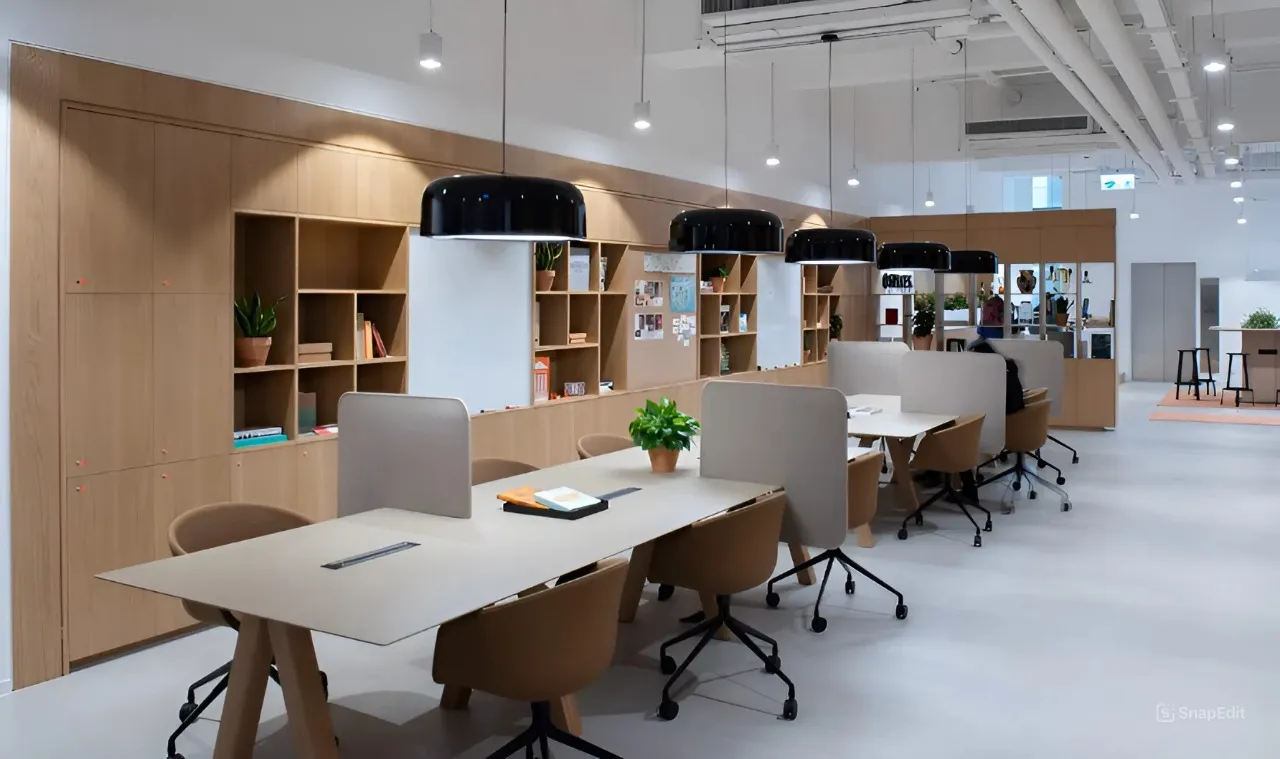

The modern workplace is evolving rapidly. Businesses today require office spaces that are flexible, efficient, and capable of adapting to changing needs. As organizations embrace hybrid work models, collaborative environments, and employee-centric designs, traditional office furniture is struggling to keep up. This is where modular office furniture is transforming workplace design and shaping the future of offices worldwide.
What is Modular Office Furniture?
Modular office furniture consists of adaptable and customizable furniture components that can be rearranged, expanded, or modified to suit different workspace requirements. Unlike conventional furniture, modular systems offer greater flexibility, allowing businesses to create layouts that evolve alongside their operations.
From workstations and desks to storage units and meeting areas, modular furniture can be configured in numerous ways to maximize functionality and efficiency.
1. Flexibility for Changing Business Needs
One of the biggest advantages of modular office furniture is its flexibility. Businesses grow, teams expand, and workplace requirements change over time. Modular furniture allows organizations to reconfigure office layouts without investing in entirely new furniture systems.
Whether creating additional workstations, collaborative zones, or private work areas, modular solutions make transitions seamless and cost-effective.
2. Maximizing Office Space Utilization
Office space is a valuable asset, especially in urban areas where commercial real estate costs are high. Modular office furniture is designed to optimize available space by offering compact, multifunctional, and scalable solutions.
Businesses can create efficient layouts that accommodate more employees while maintaining comfort and productivity. This smart use of space helps reduce operational costs and improve workplace organization.
3. Supporting Hybrid and Agile Work Environments
The rise of hybrid work has changed how offices are designed. Employees now alternate between working remotely and in-office, requiring spaces that can adapt to different work styles.
Modular furniture supports agile work environments by enabling quick layout adjustments. Teams can easily transform workstations into collaboration areas, meeting spaces, or focus zones depending on daily requirements.
4. Encouraging Collaboration and Innovation
Modern organizations recognize the importance of teamwork and innovation. Modular office furniture helps create dynamic spaces that encourage communication and collaboration among employees.
Movable desks, flexible seating arrangements, and modular meeting pods allow teams to interact more effectively while maintaining the ability to adapt the workspace as needed.
5. Cost-Effective Long-Term Investment
Traditional office furniture often requires complete replacement when workplace needs change. Modular furniture eliminates this challenge by allowing businesses to add, remove, or reconfigure components as necessary.
This adaptability reduces replacement costs and extends the lifespan of office furnishings, making modular furniture a smart long-term investment for organizations of all sizes.
6. Enhanced Employee Comfort and Productivity
Employee well-being plays a significant role in workplace performance. Modular office furniture can be customized to support ergonomic designs, comfortable seating arrangements, and efficient workstation layouts.
When employees work in comfortable and adaptable environments, they tend to be more productive, engaged, and satisfied with their workplace experience.
7. Sustainable and Environmentally Friendly
Sustainability has become a priority for many businesses. Modular office furniture contributes to eco-friendly workplace design by reducing waste and minimizing the need for frequent replacements.
Because individual components can be updated or replaced without discarding entire furniture systems, businesses can significantly reduce their environmental impact while maintaining modern office aesthetics.
8. Modern Aesthetics and Customization
Today's offices are more than just places to work—they reflect company culture and brand identity. Modular office furniture offers extensive customization options in terms of colors, finishes, materials, and configurations.
This allows organizations to create visually appealing workspaces that align with their branding while providing a professional and welcoming environment for employees and visitors.
The Future of Workplace Design
As businesses continue to prioritize flexibility, collaboration, and employee well-being, modular office furniture will play an increasingly important role in workplace design. Its ability to adapt to changing business requirements, optimize space, and support modern work styles makes it the ideal solution for future-ready offices.
Organizations that invest in modular office furniture today are not only improving their current workspace but also preparing for the evolving demands of tomorrow's workforce.
Conclusion
Modular office furniture represents a significant shift in how workplaces are designed and utilized. Its flexibility, cost-effectiveness, sustainability, and ability to enhance productivity make it a valuable asset for modern businesses. As workplace trends continue to evolve, modular furniture will remain at the forefront of innovative office design, helping organizations create adaptable, efficient, and inspiring work environments.
Businesses looking to future-proof their offices should consider modular office furniture as a strategic investment that supports growth, flexibility, and long-term success.




























Sign in to leave a comment.