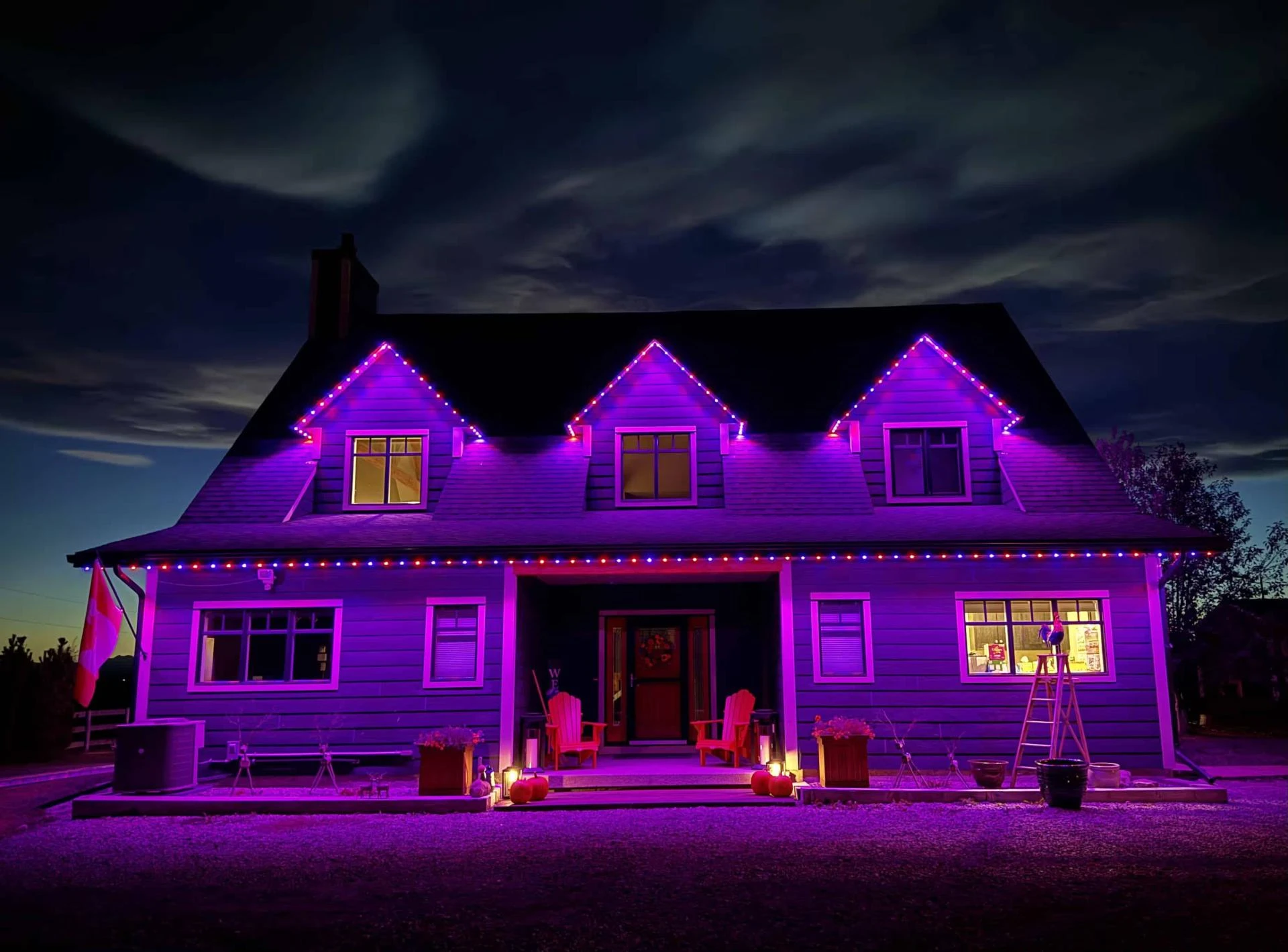

Seasonal lighting often starts as a simple idea—add a bit of warmth during the holidays, improve visibility along walkways, or highlight architectural features. But in practice, many homeowners find themselves repeatedly climbing ladders, dealing with tangled wires, and replacing damaged fixtures year after year. In climates like Calgary, where winters are long and conditions can be harsh, temporary solutions rarely hold up well.
This is where permanent house lighting becomes a practical consideration rather than a luxury upgrade. Instead of reinstalling lights each season, homeowners are opting for systems that remain in place year-round, designed to adapt to different occasions and weather conditions.
Understanding Permanent House Lighting from a Practical Perspective
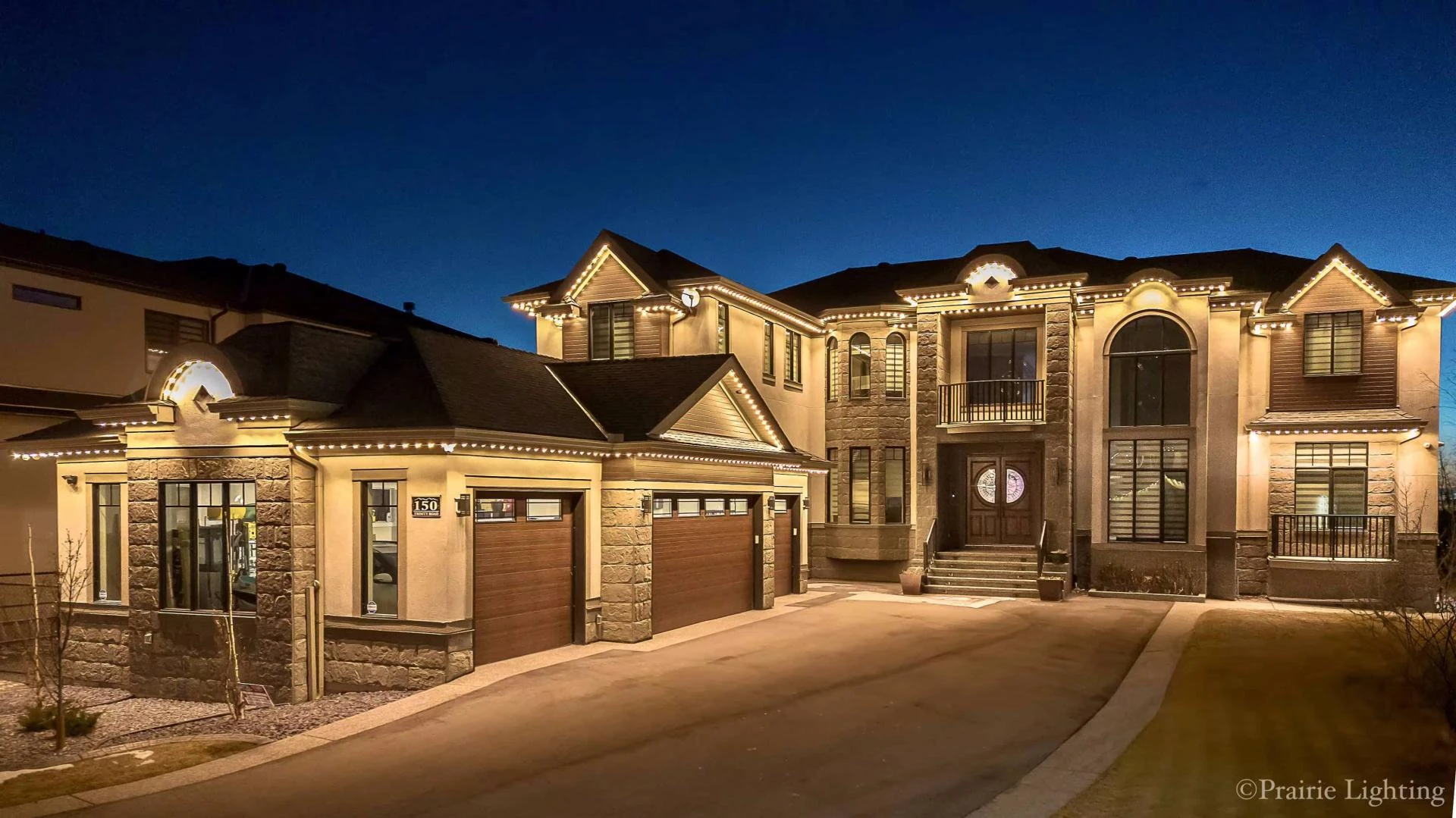
At its core, permanent house lighting refers to a professionally installed lighting system integrated into a home’s exterior. Unlike temporary holiday setups, these systems are discreet, durable, and programmable.
From an installer’s perspective, the key difference lies in planning. Placement isn’t just about aesthetics—it involves understanding rooflines, soffits, power access, and drainage patterns. Poor planning can lead to uneven lighting or premature wear, especially in areas exposed to snow buildup or heavy rainfall.
Experienced professionals often emphasize that the best installations are the ones you don’t notice during the day. Fixtures should blend seamlessly with the home’s architecture, only becoming visible when illuminated.
Real-World Benefits Beyond Seasonal Use
Many homeowners initially explore permanent house lighting for holiday convenience, but its value extends far beyond that.
- Year-round functionality: Lights can be adjusted for different occasions—festivals, gatherings, or subtle everyday ambiance
- Improved safety: Consistent illumination around entry points and pathways reduces risk, especially during icy conditions
- Reduced maintenance: Eliminates the need for repeated installation and removal
- Energy efficiency: Modern systems use low-voltage LED technology, significantly reducing power consumption
One commonly overlooked benefit is the ability to control lighting remotely. Homeowners who travel frequently find it useful to adjust lighting schedules, adding an extra layer of security without relying on outdated timers.
Installation Realities Most People Don’t Consider
From field experience, the biggest challenges with permanent house lighting aren’t the lights themselves—it’s the installation environment.
In cities like Calgary, temperature fluctuations can affect materials over time. Expansion and contraction of building surfaces can loosen poorly secured fixtures. That’s why proper mounting techniques and weather-resistant materials are essential.
Another factor is electrical integration. Retrofitting older homes can be more complex than expected. Access to power sources, panel capacity, and safe wiring routes all need to be assessed before installation begins.
A rushed installation often leads to visible wiring, inconsistent brightness, or sections failing prematurely. These issues are avoidable but require attention to detail and experience.
Common Mistakes Homeowners Make
Even with growing awareness, certain patterns repeat across projects:
- Focusing only on cost: Lower upfront pricing often means compromises in materials or installation quality
- Ignoring lighting design: Random placement can result in uneven or overly harsh illumination
- Overlooking control systems: Not all systems offer intuitive controls or long-term compatibility
- DIY attempts without proper tools: This frequently leads to safety risks and inconsistent results
Professionals often note that fixing a poorly installed system can cost more than doing it correctly the first time.
Practical Advice Before Making a Decision
For those considering permanent house lighting, a few grounded steps can make a significant difference:
- Evaluate long-term needs rather than short-term aesthetics
- Ask about material durability, especially in extreme weather conditions
- Request a lighting plan instead of relying on generic layouts
- Understand maintenance requirements, even if minimal
- Check system flexibility for future upgrades or changes
It’s also worth discussing warranty coverage—not just for the lights, but for the installation itself. This is often where quality providers distinguish themselves.
Limitations and Honest Considerations
While permanent house lighting offers clear advantages, it’s not without limitations.
Initial costs can be higher compared to temporary setups, which may not suit every budget. Additionally, design preferences can change over time, and while most systems are adjustable, hardware placement remains fixed.
There’s also a learning curve with control systems. Some homeowners take time to fully utilize features like color customization or scheduling.
Acknowledging these factors helps set realistic expectations and leads to better long-term satisfaction.
Sign in to leave a comment.