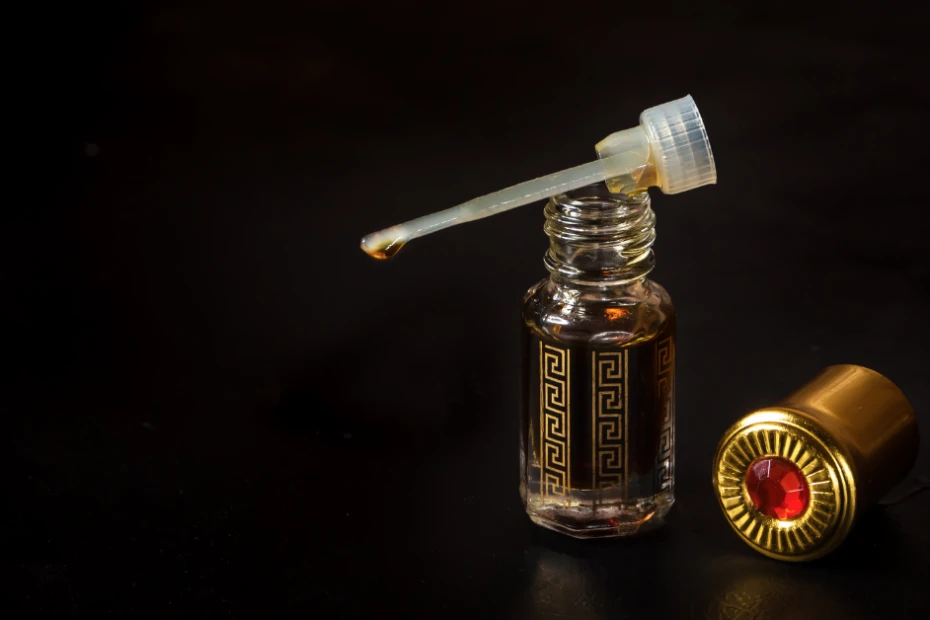

Spray perfume has been the default for a long time. You buy a bottle, spritz it on before you leave the house, and that is the extent of the routine. It works, but a lot of people are finding that oil based perfumes offer something that the standard alcohol spray does not, and once you understand the difference, it is hard to go back.
The switch tends to happen gradually. Someone tries a sample, notices that the scent sticks around longer, does not give them a headache the way some alcohol-heavy sprays do, and starts paying more attention to the category. In South Africa, the market for fragrance oils has grown quietly but steadily, and there are now far more options than there were even five years ago.
How Oil-Based Fragrance Differs From Spray Perfume
The main difference is the carrier. Standard spray perfumes use alcohol as the base. Alcohol helps the scent project outward quickly, which is why you can smell someone walking past you in a corridor. The downside is that alcohol evaporates fast, and it takes a portion of the fragrance with it. The scent bursts strongly at first and then fades.
Perfume oils use a neutral oil as the base instead. This changes how the scent behaves on the skin entirely. Rather than projecting and fading, the oil sits on the skin and releases the fragrance slowly over a much longer period. You get less initial blast and more sustained wear throughout the day.
For people with sensitive or dry skin, this also matters practically. Alcohol can be drying and occasionally irritating. Oil does not strip the skin in the same way. People who have found that certain spray perfumes leave their skin feeling tight or cause irritation often find that oil-based alternatives do not have the same effect.
The longevity difference is the part that surprises most first-time users. A well-made scented oil perfume applied to pulse points in the morning can still be detectable in the evening, which is something a lot of spray perfumes simply cannot match without reapplication.
How Fragrance Oils Are Made
Understanding what goes into fragrance oils helps when you are comparing products and trying to work out why prices vary.
Fragrance oils for perfume are essentially concentrated scent compounds blended into a carrier oil. The carrier is typically something neutral and skin-friendly like fractionated coconut oil, jojoba oil, or dipropylene glycol. These carriers do not have a scent of their own and they absorb into the skin without feeling too heavy or greasy when used in the right quantities.
The scent compound itself can be made up of natural ingredients, synthetic aroma chemicals, or a combination of both. Natural ingredients include things like essential oils extracted from flowers, wood, resin, and citrus. Synthetic aroma chemicals are lab-created molecules that replicate or complement natural scents. A lot of modern fragrance, including the most expensive designer perfumes, uses synthetic aroma chemicals alongside naturals. They are not a sign of low quality. They are often used because they are more stable, more consistent, and sometimes safer than their natural equivalents.
The ratio of scent compound to carrier oil determines the strength of the final product. A higher concentration means a stronger, longer-lasting result. Most quality fragrance oils sit between twenty and thirty percent concentration, which gives good performance without the oil feeling too heavy on the skin.
Finding Good Fragrance Oils in South Africa
The South African market for perfume oils SA has grown meaningfully. More suppliers are offering a wider range of options, including inspired versions of popular designer and niche fragrances, as well as original blends that do not reference any existing perfume.
Inspired fragrance oils work on the same principle as inspired spray perfumes. A perfumer studies the scent profile of a well-known fragrance and creates a version that closely matches its key notes and character. These are not counterfeit products. They are independently produced alternatives that allow people to wear a scent similar to something they love without paying the full price of the original.
For buyers in South Africa, where imported designer fragrances carry significant markups due to import duties and retailer margins, inspired oils offer real value. A small roller bottle or dropper bottle of a well-made inspired oil can provide weeks of daily wear at a fraction of what a branded bottle would cost.
Quality varies between suppliers, so buying from someone with a good reputation and clear product information is worth the extra attention. A reputable supplier will tell you what the concentration is, what carrier oil is used, and whether the fragrance is inspired by a specific reference or an original blend.
How to Apply and Wear Fragrance Oil
Application is slightly different from spray perfume, and getting it right makes a real difference to how the scent wears.
Pulse points are the standard advice and it holds for oils as much as for sprays. The inside of the wrists, the neck, behind the ears, and the inside of the elbow are all warm spots that help carry the scent through the day. Apply the oil directly to these spots by dabbing with a roller ball or dropper.
One thing to avoid is rubbing the oil in after application. Rubbing generates friction and heat that can alter the top notes of the fragrance before they have a chance to develop properly. Dab it on and leave it. The oil will absorb naturally.
Skin condition matters too. Oil-based fragrance performs better on moisturised skin. If your skin is very dry, the oil can soak in too fast and the scent does not linger as well. Applying a small amount of unscented lotion first and then adding the fragrance oil on top gives the scent something to hold onto.
Start with less than you think you need. Fragrance oils are more concentrated than most spray perfumes, and a few drops go further than expected. You can always add more, but putting too much on in one go can be overpowering in close spaces.
Using Fragrance Oils for Layering
One of the real advantages of working with fragrance oils is how well they lend themselves to layering. Because the oil format is more precise and more controlled than a spray, you can combine two different oils on different pulse points or even mix them in the palm before applying to create something that is entirely your own.
Layering works best when the two scents share a common element. A woody base oil and a floral oil with a shared note often blend well together. A citrus oil and a musk-forward oil can also complement each other. It takes some experimenting, but the process is half the fun.
Some people use a fragrance oil as a base and then spray a lighter eau de toilette on top. The oil provides the lasting base and the spray adds top notes and initial projection. The result is a scent that performs better overall than either product would on its own.
Storing Your Oils Correctly
Fragrance oils are not as sensitive as some essential oils but they do benefit from proper storage. Keep them away from direct sunlight, heat, and humidity. A cool, dark drawer or cabinet works well. The bathroom is not ideal for the same reason it is not ideal for spray perfumes. Temperature swings and steam from showers speed up the degradation of any fragrance product.
Most quality fragrance oils, stored correctly, will last between one and three years without significant change in scent quality. The carrier oil can go rancid over time if stored poorly, which is the main thing to avoid. If a fragrance oil starts to smell sour or musty in a way that is clearly different from the intended scent, that is a sign the carrier has turned and the product should be replaced.
Fragrance oils are genuinely worth trying if you have not already. The performance, the versatility, and the value they offer compared to conventional spray perfumes make them a practical choice for everyday wear and for building a personal scent collection that does not cost a fortune to maintain.































Sign in to leave a comment.