Plumbing issues rarely appear out of nowhere. What seems like a sudden leak, burst pipe, or clogged drain cleaning is often the final stage of a problem that has been developing quietly for years. Understanding how plumbing systems age—and why early warning signs are often ignored—can help homeowners prevent expensive repairs and water damage.
Plumbing Systems Age More Than You Realize
Every plumbing system has a lifespan. Pipes, fittings, seals, and valves slowly wear down due to water pressure, temperature changes, and mineral buildup. Even high-quality materials aren’t immune to corrosion or stress over time. While everything may appear fine on the surface, deterioration often begins internally, long before any visible damage occurs.
Older homes are especially vulnerable, but even newer properties can develop plumbing issues if installation shortcuts were taken or routine maintenance was skipped.
Small Issues Create Long-Term Damage
Most major plumbing failures start with small, seemingly harmless problems. A slow drain, minor water pressure change, or occasional pipe noise is often dismissed as normal. In reality, these are early indicators of buildup, pipe movement, or restricted flow.
Minerals from hard water gradually coat pipe interiors, narrowing the passage and increasing pressure. Tiny leaks at joints can weaken surrounding materials. Over time, these small stresses combine, eventually leading to cracks, backups, or pipe bursts.
Hidden Plumbing Is the Most Dangerous
The most serious plumbing problems often occur in areas homeowners can’t easily see—behind walls, under floors, or beneath foundations. Because these spaces aren’t visible, damage can progress unnoticed for months or even years.
Slow leaks behind drywall can cause mold growth and structural weakening. Underground pipe damage can shift soil and compromise foundations. By the time signs like stains, odors, or warped flooring appear, repairs are usually more extensive and costly.
Why Leaks Are a Late Warning Sign
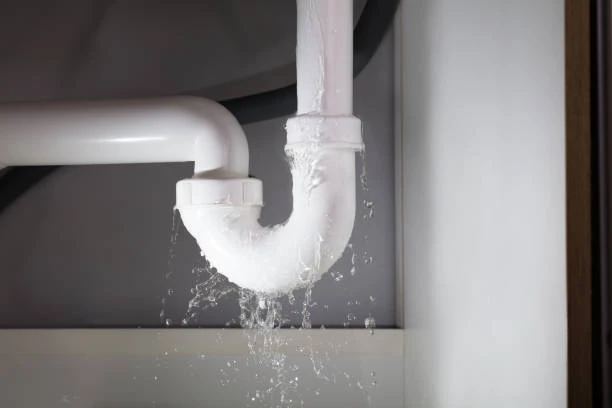
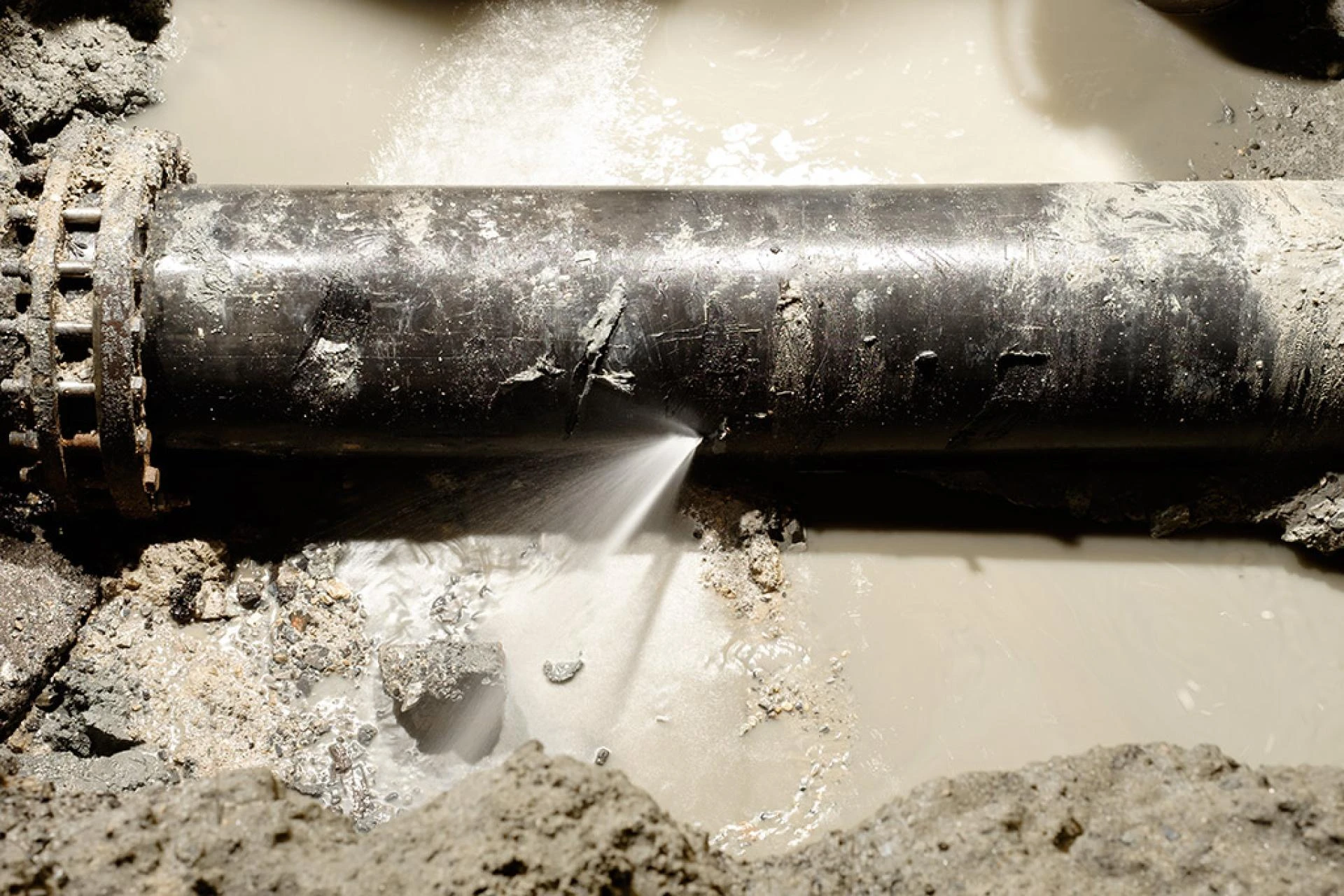
A visible leak is rarely the beginning of a plumbing problem—it’s the warning that things have already gone too far. By the time water escapes a pipe, corrosion, pressure imbalance, or joint failure has already occurred.
This is why waiting for obvious damage often leads to emergency repairs instead of simple fixes. Addressing plumbing issues early allows professionals to repair or replace vulnerable components before they fail completely.
The Importance of Preventive Plumbing Inspections
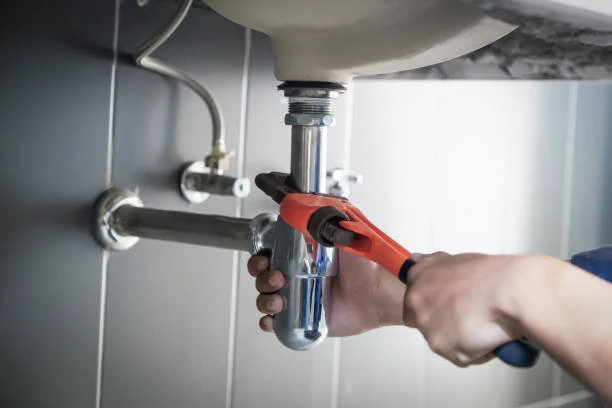
Professional plumbing inspections play a critical role in catching problems early. Using modern tools like camera inspections and pressure testing, plumbers can identify hidden blockages, pipe wear, and developing leaks without invasive work.
Routine inspections help extend the life of plumbing systems, improve efficiency, and reduce the risk of sudden failures. They also allow homeowners to plan repairs on their schedule instead of reacting to emergencies.
Smart Plumbing Maintenance Saves Money
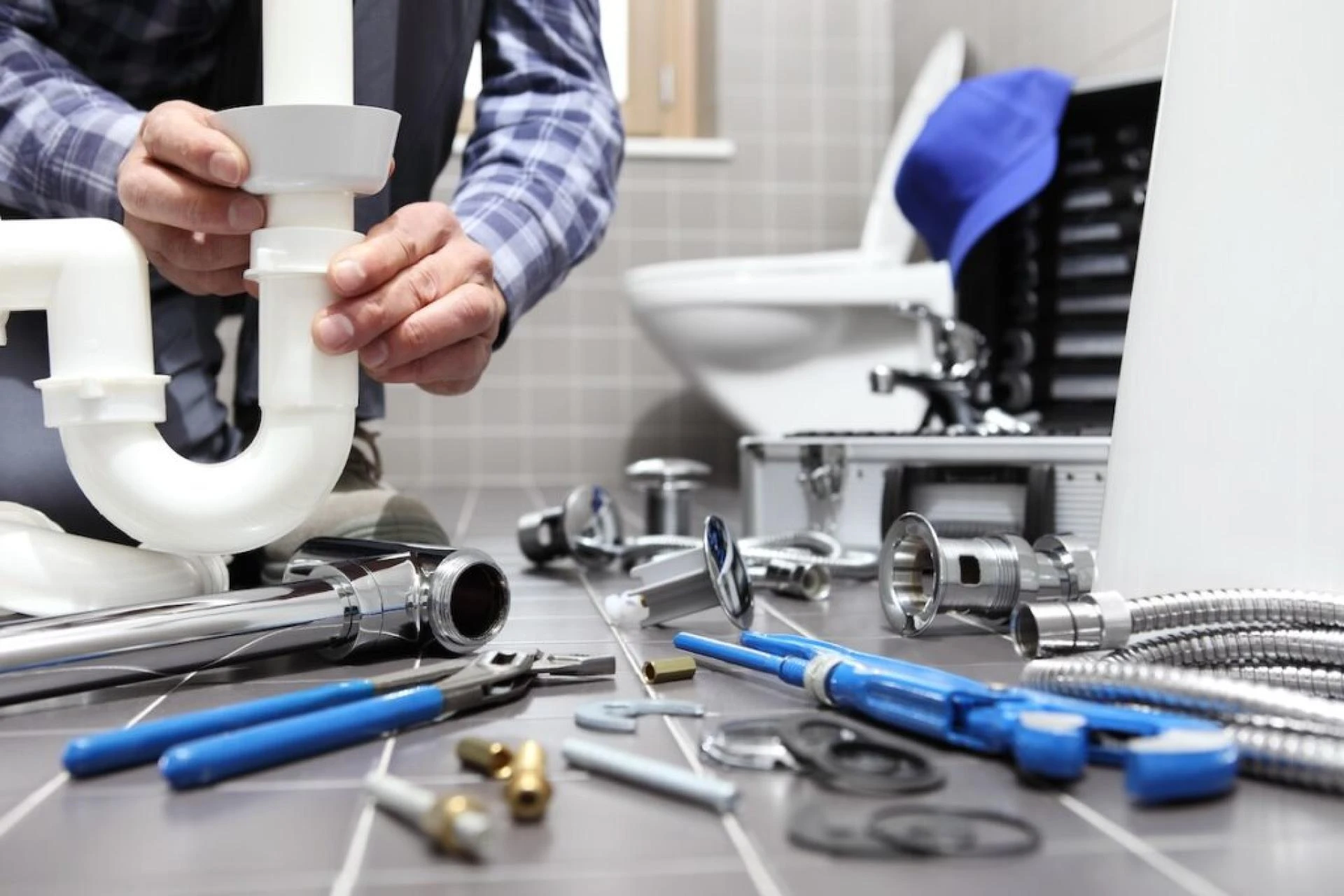
Preventive maintenance is far less expensive than emergency plumbing repairs. Simple actions like drain cleaning, water pressure regulation, and timely pipe repairs can prevent thousands of dollars in damage.
More importantly, maintenance protects the home itself—preserving walls, floors, and foundations from long-term water exposure. Investing in proactive plumbing care ultimately protects both comfort and property value.
Conclusion
Most plumbing problems don’t begin with a leak—they begin quietly, years earlier. Recognizing early warning signs and prioritizing professional maintenance can prevent sudden breakdowns and costly repairs. When it comes to plumbing, what you don’t see can cause the most damage, making early action the smartest solution.
Sign in to leave a comment.