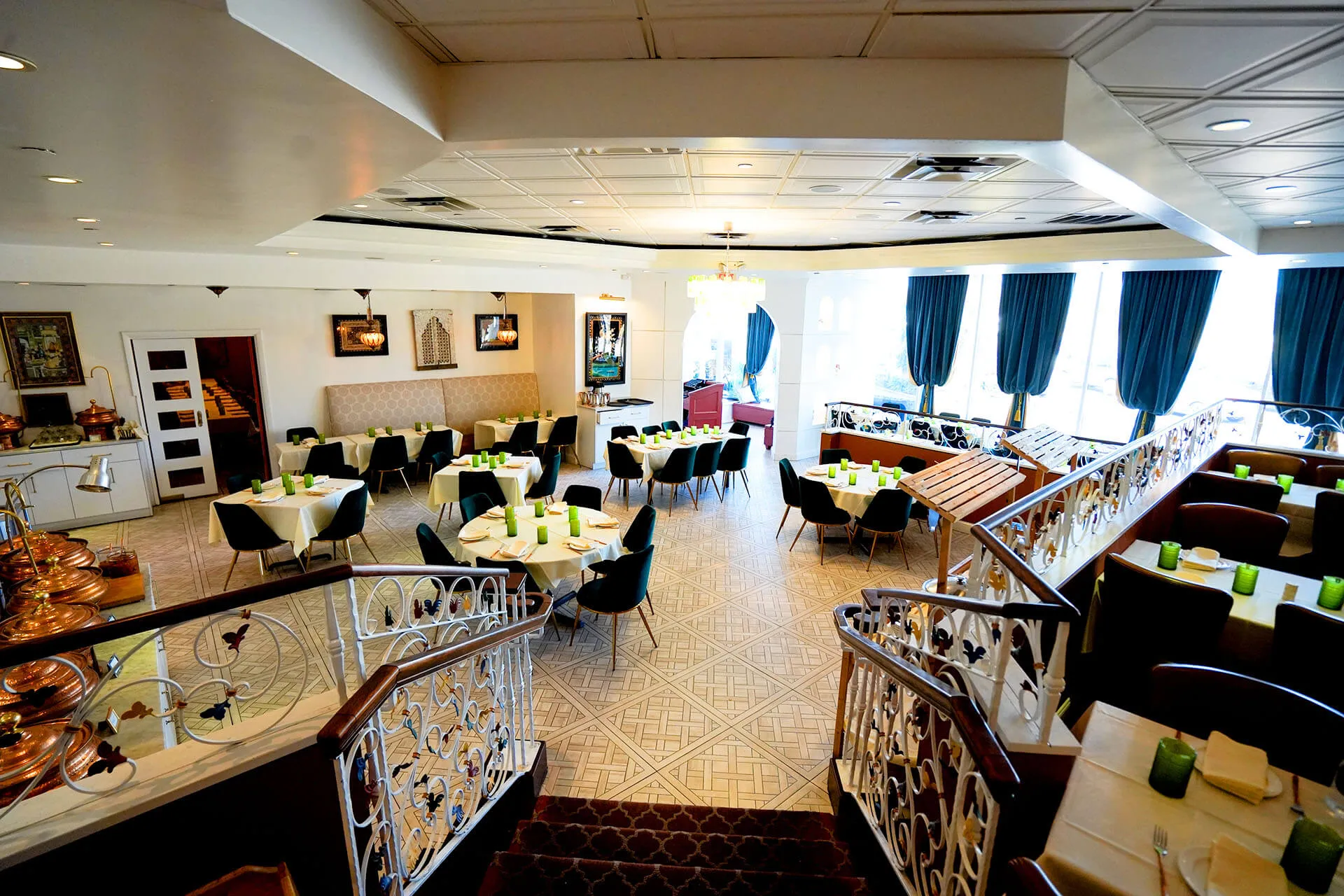

Dining traditions in India are deeply connected to culture, region, and daily lifestyle. Meals are often served in a specific sequence, with combinations designed to balance flavors, textures, and nutrition. However, a typical New Jersey Indian restaurant menu usually looks very different from the structured dining style commonly followed in India. Restaurants across New Jersey adapt their menus to match customer expectations, dining habits, and modern restaurant trends, creating a unique blend of authenticity and practicality that appeals to a wider audience.
Traditional Indian Meals Follow a Structured Pattern
In many Indian households, meals are served in an organized format rather than as separate restaurant-style courses. A complete meal may include bread, rice, lentils, vegetables, yogurt, pickles, and desserts served together or in a specific order. Regional traditions also influence how food is eaten and presented.
Restaurants in New Jersey often simplify this structure because many customers prefer flexible ordering options. Diners may choose only appetizers, breads, or curries instead of full traditional meals. This adjustment makes menus easier to navigate for customers from different cultural backgrounds.
American Dining Habits Influence Menu Design
Restaurant owners in New Jersey must adapt to local dining expectations. Many customers are accustomed to ordering individual entrées, appetizers, and desserts separately instead of eating a complete thali-style meal. Because of this, restaurants organize menus in a way that feels familiar to American diners. This approach also allows guests to customize their meals more easily. Diners can mix dishes from different regions of India without following the traditional structure that might exist in Indian homes or local eateries abroad.
Menus Focus More on Popular Dishes
Many Indian restaurants outside India prioritize dishes that are widely recognized by customers. Items such as butter chicken, biryani, naan, and tikka dishes often receive more attention because they appeal to both Indian and non-Indian diners.
This focus changes the traditional meal structure significantly. Instead of serving meals built around balanced combinations, restaurants highlight dishes that are most likely to sell consistently. Many Indian restaurants New Jersey residents visit regularly design menus around customer demand rather than regional dining customs.
Restaurant Service Styles Are Different
Dining in India often involves slower, shared meals enjoyed with family members over longer periods of time. In contrast, restaurant dining in New Jersey is usually faster and more schedule-oriented. Customers may visit during lunch breaks, after work, or between daily activities.
To match these habits, restaurants organize menus for quick decision-making and efficient service. Separate appetizer and entrée sections help simplify ordering while reducing wait times for guests and kitchen staff alike. This faster dining style naturally changes how traditional Indian meals are presented in restaurants abroad.
Customer Preferences Shape Modern Menus
Restaurants constantly adapt based on customer feedback and changing food trends. Many diners today prefer lighter meals, customizable spice levels, or vegetarian and gluten-free options. These preferences influence menu design and often move restaurants further away from India’s traditional meal structures.
Some menu adjustments commonly seen include:
- Smaller portion combinations
- Fusion-style appetizers
- Build-your-own meal options
- Simplified regional selections
- Expanded vegetarian choices
These changes help restaurants appeal to broader audiences while maintaining familiar Indian flavors.
Regional Diversity Makes Standardization Difficult
India’s food culture varies greatly between regions, making it difficult for restaurants abroad to represent one authentic dining structure. Northern, Southern, Eastern, and Western Indian meals all follow different traditions and serving styles.
A successful New Jersey Indian restaurant often combines dishes from multiple regions into one menu. While this variety attracts more customers, it also removes the traditional meal sequencing that would normally exist within regional cuisine. Restaurants prioritize accessibility and variety over strict authenticity to better serve diverse communities. This blended menu style has become common throughout many Indian restaurants across the United States.
Explore Modern Indian Dining Experiences Today!
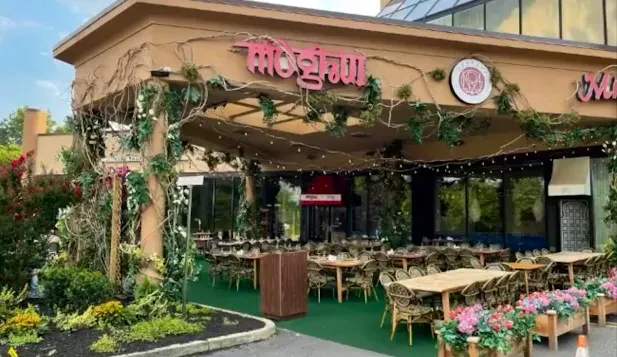
A modern Indian restaurant menu reflects both cultural tradition and local dining preferences. While these menus may not follow the structured meal patterns commonly seen in India, they successfully adapt Indian cuisine for broader audiences and faster-paced lifestyles. From customizable dishes to regionally inspired flavors, restaurants across New Jersey, such as Moghul Restaurant, continue creating dining experiences that balance authenticity with convenience. Visit local Indian restaurants today to explore how traditional cuisine continues evolving in creative and welcoming ways.
If you want to know about best indian food in nj, here you get full info.


























Sign in to leave a comment.