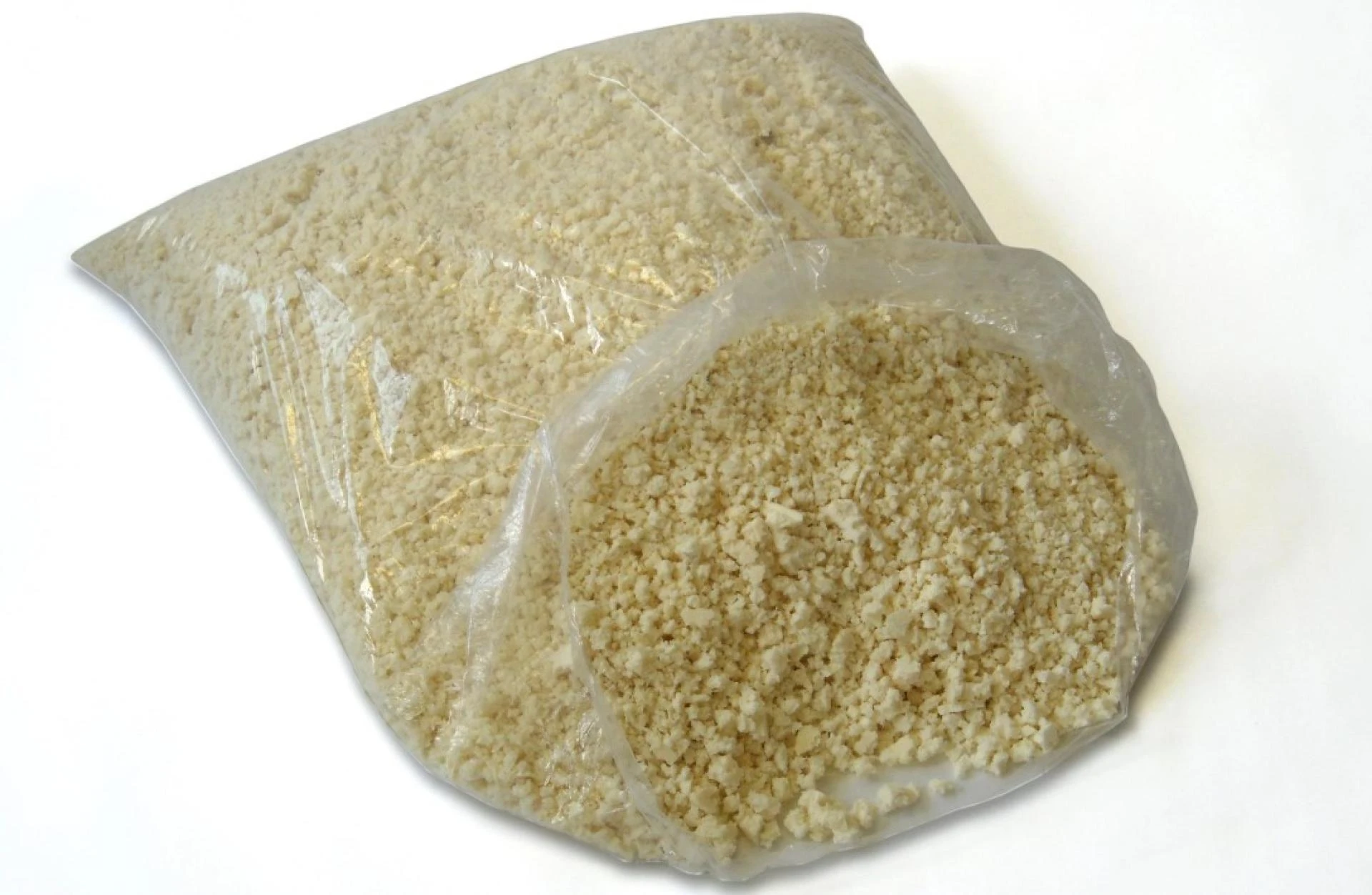

As more people embrace sustainable living, the demand for eco-friendly home décor is rapidly increasing. Among the many changes homeowners are making, one simple yet impactful choice is switching to organic bean bag filler.
Whether it’s a cozy bean bag chair in your living room or a lounging corner for reading, what’s inside your bean bag matters more than you think. The filler not only defines comfort but also impacts your health and the environment. Let’s explore why organic bean bag filler is becoming the preferred choice for conscious consumers and how it contributes to a sustainable lifestyle.
What Is Organic Bean Bag Filler?
A bean bag filler is the internal material that gives the bean bag its shape, comfort, and flexibility. While most traditional bean bags use synthetic materials like polystyrene beads or shredded foam, organic options use natural materials such as:
- Buckwheat hulls
- Kapok fiber
- Organic cotton
- Natural latex
- Hemp fiber
These fillers are biodegradable, renewable, and chemical-free — making them ideal for anyone who values health and sustainability.
The Problem with Conventional Bean Bag Fillers
Conventional bean bag fill materials like EPS (expanded polystyrene) are made from petroleum-based plastics. While they offer lightweight comfort, they come with several hidden downsides:
- Environmental harm: Non-biodegradable plastics can take hundreds of years to decompose.
- Toxicity: They can release volatile organic compounds (VOCs), affecting indoor air quality.
- Short lifespan: Synthetic fillers flatten quickly and need frequent replacement.
These issues make conventional bean bag fillers unsustainable in the long run — both for your wallet and the environment.
The Rise of Organic Bean Bag Fillers
Eco-conscious consumers are now shifting toward natural alternatives. Organic bean bag fillers are not only safer and longer-lasting but also align perfectly with sustainable home goals. They provide the same level of comfort — if not better — without harming the planet.
Let’s break down what makes them special.
Benefits of Organic Bean Bag Fillers
1. Environmentally Friendly
Organic materials like hemp and organic cotton are renewable resources that decompose naturally without polluting the environment. Choosing these fillers reduces waste and helps lower your carbon footprint.
2. Non-Toxic and Safe
Traditional fillers may emit chemicals, but organic fillers are naturally hypoallergenic and chemical-free. They’re safe for kids, pets, and anyone with allergies or respiratory concerns.
3. Long-Lasting Durability
Natural fibers like hemp are strong and durable, retaining their shape longer than plastic-based fillers. You won’t have to replace or refill your bean bag frequently, making it both cost-effective and eco-friendly.
4. Superior Comfort
Organic fillers like kapok fiber or buckwheat hulls adjust to your body’s shape, offering natural support and better airflow. They’re breathable, keeping your bean bag cool and comfortable all year round.
5. Stylish and Sustainable
Choosing an organic filler doesn’t mean compromising style. You can still enjoy trendy, comfortable bean bags while knowing that what’s inside supports sustainable living.
Popular Organic Bean Bag Fill Materials
Buckwheat Hulls
Known for their firm yet flexible feel, buckwheat hulls provide excellent support for posture and comfort. They’re also biodegradable and highly durable.
Kapok Fiber
This silky, natural fiber is lightweight, soft, and water-resistant. It feels similar to down feathers but is entirely plant-based.
Hemp Fiber
Hemp is one of the strongest natural fibers available. It’s resistant to mold, breathable, and perfect for eco-friendly bean bags.
Organic Cotton
Soft, comfortable, and chemical-free — cotton fillers are perfect for a cozy and safe indoor experience.
How to Maintain Organic Bean Bag Fillers
Taking care of your organic bean bag fill ensures that it lasts longer and remains comfortable:
- Fluff regularly: Shake or knead the bean bag to keep the filler evenly distributed.
- Avoid moisture: Keep it dry to prevent mold or odor.
- Use removable covers: Wash covers regularly to keep them clean.
- Refill when needed: Organic fillers settle naturally over time; adding a small amount occasionally maintains comfort.
These simple steps can make your bean bag last for years.
Why Organic Bean Bag Filler Is the Future
The world is moving toward eco-conscious choices — from clothing to furniture. Home décor trends now focus on products made with sustainable materials that don’t harm the environment.
Switching to organic bean bag filler aligns perfectly with this change. It’s not only about personal comfort but also about taking responsibility for the planet.
By choosing organic fillers, you contribute to:
- Reducing plastic waste
- Promoting sustainable farming
- Supporting toxin-free homes
It’s a small choice that makes a big difference.
Final Thoughts
Your bean bag is more than a seat — it’s a lifestyle statement. Choosing an organic bean bag filler reflects your commitment to sustainability, health, and comfort.
Unlike synthetic options that harm the environment, natural fillers like hemp, buckwheat, and kapok bring balance and peace of mind. They’re durable, biodegradable, and incredibly comfortable.
So, if you’re planning to upgrade your home comfort while caring for the planet, make the switch today. Let your bean bag fill be as natural and sustainable as your lifestyle.







Sign in to leave a comment.