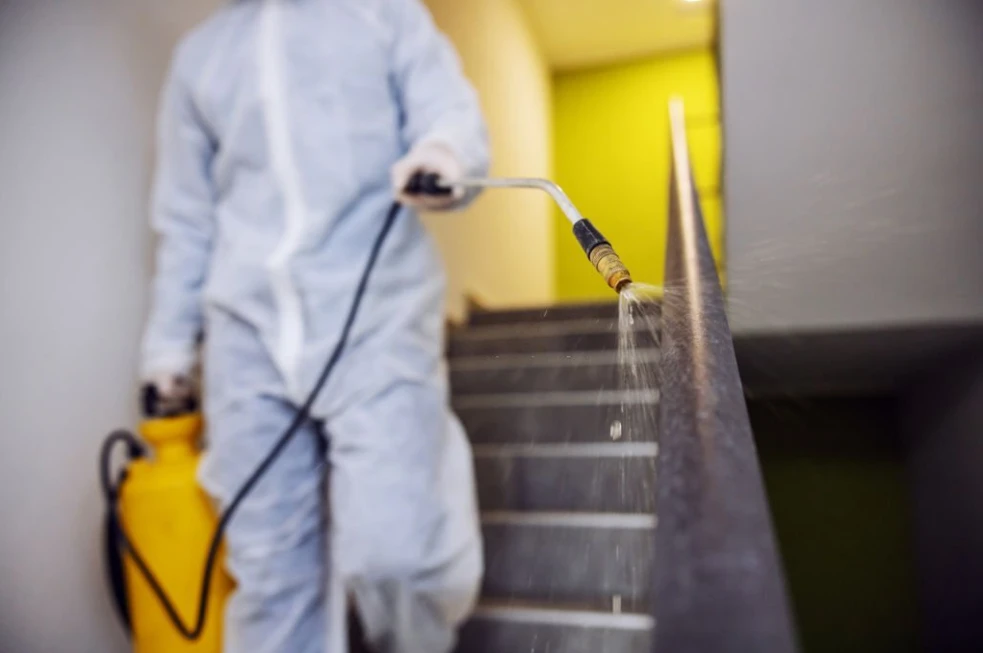

As the saying goes, "prevention is better than cure." This holds true for public health and safety as well. One of the most crucial aspects of maintaining a healthy and safe environment is pest control. Whether it's in our homes, workplaces, or public spaces, pests can pose serious threats to human health and well-being. From transmitting diseases to causing structural damage, these unwanted intruders must be kept at bay through effective pest management measures. In this blog post, Pest Control Daisy Hill delve into why pest control is essential for ensuring public health and safety - read on to find out more!
Introduction to Pest Control
Pest control is the management of species defined as pests. Pests are organisms that cause economic or health problems to humans, plants, or animals. Pest control methods include cultural, biological, and chemical controls.
Pests can cause a number of problems for humans, including the spread of disease, damage to crops and property, and even physical harm. In order to protect public health and safety, it is important to control pests.
There are a variety of pest control methods available, each with its own advantages and disadvantages. Cultural methods involve altering the environment to make it less hospitable for pests. Biological methods use natural predators or parasites to control pests. Chemical methods involve using pesticides to kill pests.
The best pest control strategy will vary depending on the type of pest and the specific situation. However, all pest control strategies should be designed to minimize risks to human health and safety.
The Impact of Pest Infestations on Public Health and Safety
Pests can have a major impact on public health and safety. They can spread diseases, contaminate food, and damage property. Pest infestations can also cause stress and anxiety.
Diseases
Pests can spread diseases that can make people sick. Some of these diseases include:
Salmonella – This disease is caused by bacteria that are found in the guts of some animals, including rats, mice, and cockroaches. The bacteria can get into food that people eat and make them sick. Symptoms of salmonella include diarrhea, vomiting, and fever.
E. coli – This disease is also caused by bacteria that are found in the guts of some animals, including rats, mice, and cockroaches. The bacteria can get into food that people eat and make them sick. Symptoms of E. coli include diarrhea, abdominal cramps, and fever.
Hantavirus – This disease is carried by rodents such as mice and rats. People can get hantavirus if they breathe in dust that has been contaminated with rodent urine or feces. Symptoms of hantavirus include fever, muscle aches, and respiratory problems. In severe cases, hantavirus can be fatal.
Lyme disease – This disease is carried by ticks. People can get Lyme disease if they are bitten by an infected tick. Symptoms of Lyme disease include fever, rash, headaches, and fatigue. Lyme disease can be difficult
Different Types of Pest Control Methods
Pest control is the process of managing, and often eradicating, insects, rodents and other pests. Pest control methods are used to prevent infestations, and to protect public health and property. Different types of pest control methods include:
Physical pest control: Physical pest control is the use of traps, barriers or other physical means to remove or eliminate pests. This can include using glue boards or sticky traps to catch mice and rats, blocking entry points into buildings to keep out insects, sealing cracks and crevices where pests may enter, and using nets or screens to keep birds away from fruit trees.
Chemical pest control: Chemical pest control involves the use of pesticides to kill or repel pests. Pesticides come in many forms, including aerosumables (baits and rodenticides), contact killers (insecticides), fumigants (gases), growth regulators (sterilants) and repellents (mothballs). Each type of pesticide is designed to target a specific type of pest, and must be used according to the manufacturer’s instructions to be effective. Improper use of pesticides can cause health risks to people and animals, so it’s important to always follow label directions.
Biological pest control: Biological pest control is the use of natural predators or parasites to control pests. For example, ladybugs eat aphids, mites and scale insects; was
Benefits of Hiring a Professional Pest Control Company
Pest control is essential for public health and safety because it helps to prevent the spread of disease and pests. Pests can transmit diseases to humans and animals, which can lead to serious illness or even death. In addition, pests can damage property, contaminate food, and cause other problems for people.
There are many benefits to hiring a professional pest control company. A professional company will have the knowledge and experience to safely and effectively eliminate pests from your home or business. They will also be able to provide you with tips on how to prevent pests from returning in the future.
How to Identify and Prevent Future Infestations
Pest control is essential for public health and safety for a variety of reasons. Pests can carry diseases that can be transmitted to humans, they can contaminate food supplies, and they can cause structural damage to homes and businesses. Pest control professionals work to identify and eliminate pests in order to protect the health and safety of the public.
There are a few things that you can do to help prevent future infestations:
1. Inspect your home or business regularly for signs of pests. Look for droppings, gnaw marks, or nesting materials.
2. Seal up any cracks or openings that pests could use to enter your home or business. Use caulk, weather stripping, or other materials to close off gaps around doors, windows, pipes, and other potential entry points.
3. Store food in sealed containers and keep your kitchen clean to reduce the chances of attracting pests.
4. If you do have an infestation, call a professional pest control company immediately to get rid of the problem before it gets worse.
Conclusion
Pest control is an essential part of public health and safety. Not only can pests cause significant damage to property, but they can also carry diseases that put people’s lives at risk. It is important for business owners and homeowners alike to take measures to prevent pest infestations by sealing off any potential entry points and using proper sanitation practices in order to keep their premises safe from potential risks caused by pests. Professional pest control services should always be consulted whenever a serious infestation occurs in order to ensure the best possible outcome.


























Sign in to leave a comment.