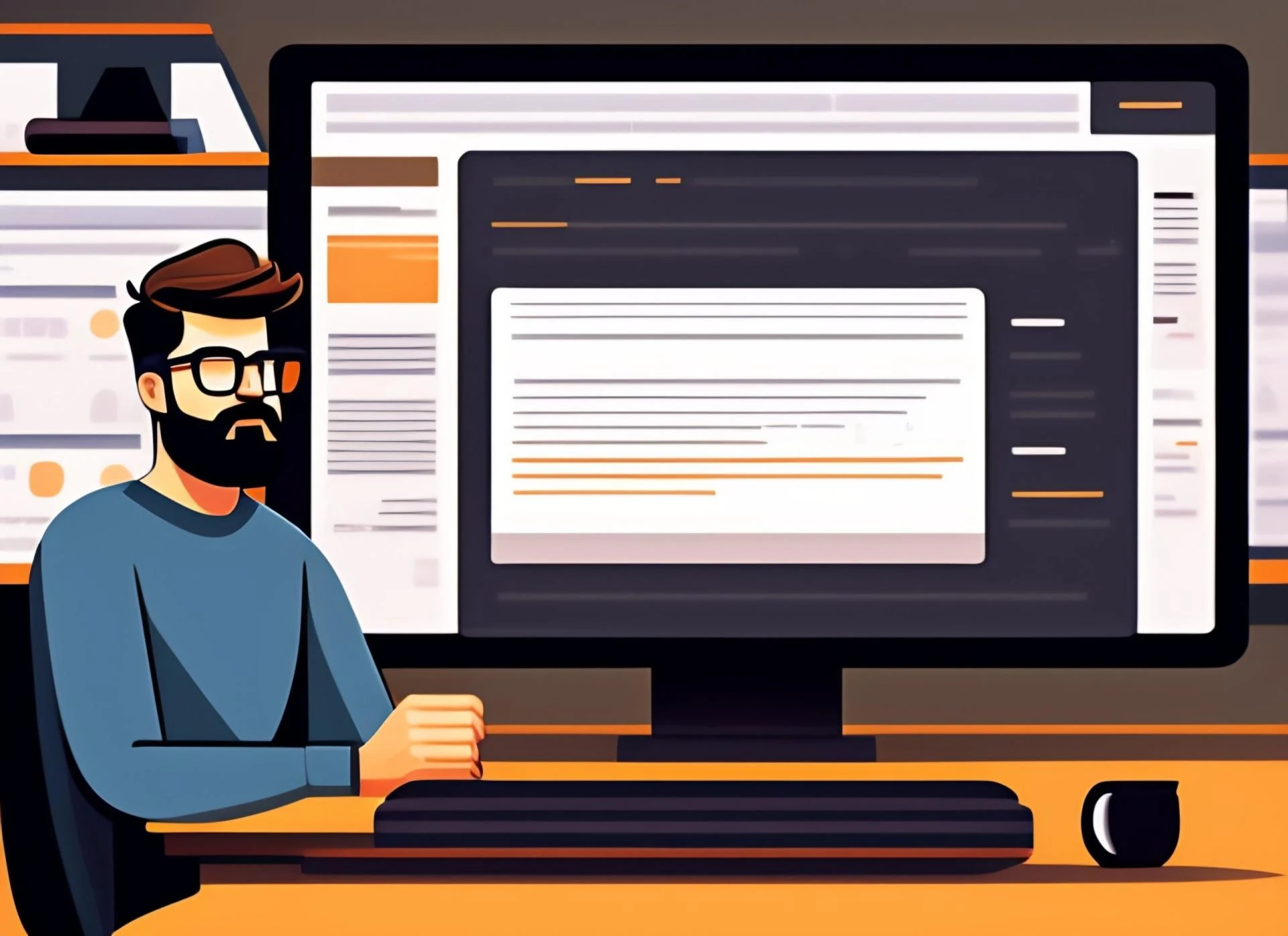

In the digital era, plagiarism in written works is a problem that is getting worse. With the vast availability of information and unlimited sources to access, it is becoming increasingly harder to create unique and original content. Finding a topic on the internet just takes a few minutes, and if a writer is not careful, they may unintentionally plagiarize even if it wasn't their aim. Thus, the use of a plagiarism checker is becoming more critical for every writer.
We'll delve further into the benefits of a plagiarism checker for every writer, why it's necessary, and how it functions in this article. We'll outline the reasons why using a plagiarism checker is not only crucial but also a useful investment for every writer, regardless of their level of expertise.
What is plagiarism?
Plagiarism is presenting someone else's work or ideas as your own without giving them proper attribution. It is considered as stealing someone’s intellectual property and is a violation of copyright laws. Whether deliberate or accidental, plagiarism can have negative effects. So, it's essential to detect it early on or avoid it altogether.
The importance of using a plagiarism checker
Every writer knows that plagiarism is a significant issue that can arise, whether intentionally or unintentionally. It is one of the most severe ethical dilemmas in the writing industry. Plagiarism can lead to academic, legal, and reputational consequences. Universities and websites have become more vigilant in catching and dealing with plagiarism, which serves as a deterrent for writers who create copied content.
To avoid such a situation, using an AI plagiarism checker is crucial. A plagiarism checker is a software that scans through written content and compares it to a vast database of published content on the internet. The software finds and highlights any content that may have been copied, originating from another source. A plagiarism checker tool can help every writer in the following ways:
Detect plagiarism in your work
An effective tool for identifying plagiarism in your work and confirming that your content is truly unique is a plagiarism checker. It checks for any similarities with existing content and gives the writer an indication of the level of originality. By using the plagiarism checker tool, a writer can identify unintentional plagiarism that they may have missed.
Maintain credibility and reputation
Maintaining a writer's reputation and integrity requires avoiding plagiarism. Unique and original content shows readers that the writer has taken the time and effort to create something fresh and informative. By presenting the writer as dishonest and unoriginal, plagiarism can harm a writer's reputation and trustworthiness. Using a plagiarism checker ensures the originality of the content, building readers' trust and showing the writer's commitment to providing accurate and unique content.
Save time and effort
Using a plagiarism detector saves writers time and effort by eliminating the need to manually check their content for similarities. A plagiarism detector can quickly scan a sizable database of previously published material, allowing writers to concentrate on their work with confidence.
Improve writing skills
Using a plagiarism checker can help writers improve their writing skills by highlighting any weak areas in their content. If many similarities are found, it could indicate that the writer needs to improve their research skills or paraphrasing techniques, increasing the quality and originality of their work.
Avoid legal consequences
Not only is plagiarism unethical, but it can also have legal repercussions. If a writer is caught plagiarizing, they could face legal penalties and damages claims. Therefore, using a plagiarism checker is crucial to avoid any legal issues that may arise from copied content.
How does a plagiarism checker work?
A plagiarism checker compares written content to a vast database of published content to find any similarities. The software first checks the content's language and structure to identify the writer's readability and sentence structure. It then checks the content against published content, identifying any phrases, sentences, or paragraphs that match.
The free plagiarism checker highlights any areas of content that match to the original source. It also shows the percentage of the total content that is original, allowing the writer to make any necessary changes or paraphrasing to increase the level of originality.
Conclusion
Plagiarism is an ethical and legal dilemma that every writer must avoid. Plagiarism can result in significant consequences for writers, damaging their reputation and trust with their readers. Therefore, using a plagiarism checker is becoming increasingly important.
Writing professionals may improve their writing skills, maintain their credibility and reputation, save time and effort, assure the originality of their work, and prevent legal repercussions by employing a plagiarism checker. No of their level of experience, every writer should utilize it to create original and genuine content.









Sign in to leave a comment.