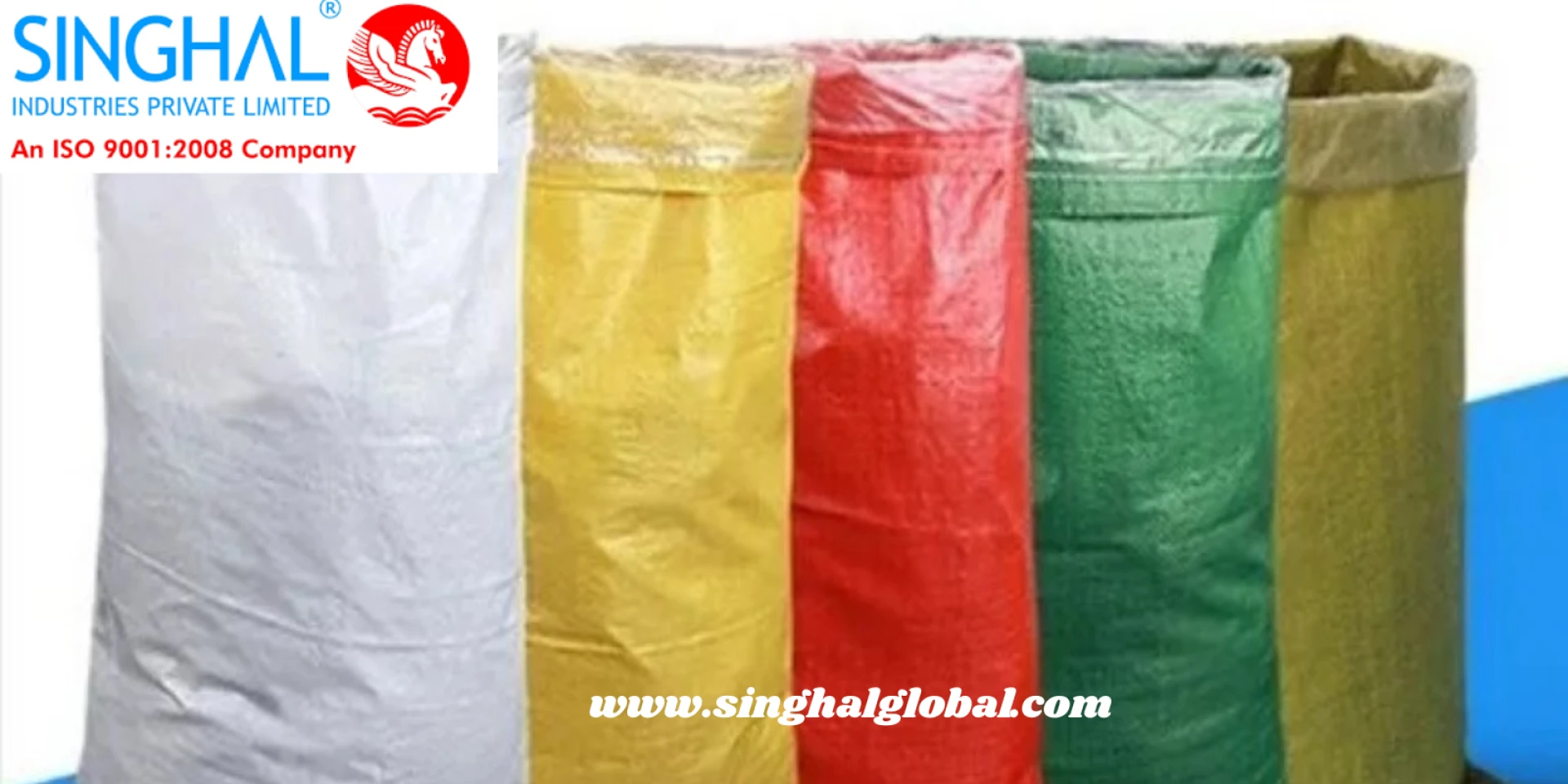
Walk into any warehouse, grain silo, port terminal, or chemical storage yard, and you’re bound to see something common everywhere—big, sturdy, often dusty sacks quietly doing their job. These are PP woven jumbo bags, also called PP woven FIBC bags, and they’ve become a must-have in practically every heavy-duty industry.
But how did these unassuming bulk bags earn their spot at the top of the packaging world? Simple. They’re tough, affordable, flexible, and made from one of the most reliable materials out there—polypropylene. Let’s break it down and see why polypropylene PP bags are still holding their own, even as newer packaging technologies try to grab the spotlight.
What Are Polypropylene PP Bags, Anyway?
Let’s start with the basics. Polypropylene (PP) is a type of thermoplastic polymer that’s lightweight, strong, moisture-resistant, and easy to mold. All of these properties make it perfect for manufacturing bags.
Now, instead of creating a solid sheet of plastic, manufacturers weave thin strips of polypropylene into a mesh-like fabric. That woven structure adds serious strength and makes the bag breathable, which is why it’s perfect for storing things like grains, fertilizers, or even powdered chemicals.
This method gives us PP woven bags. When these are scaled up for bulk storage—designed to carry hundreds or even thousands of kilos—they become PP woven FIBC bags or jumbo bags.
Meet the Giants: PP Woven FIBC Bags
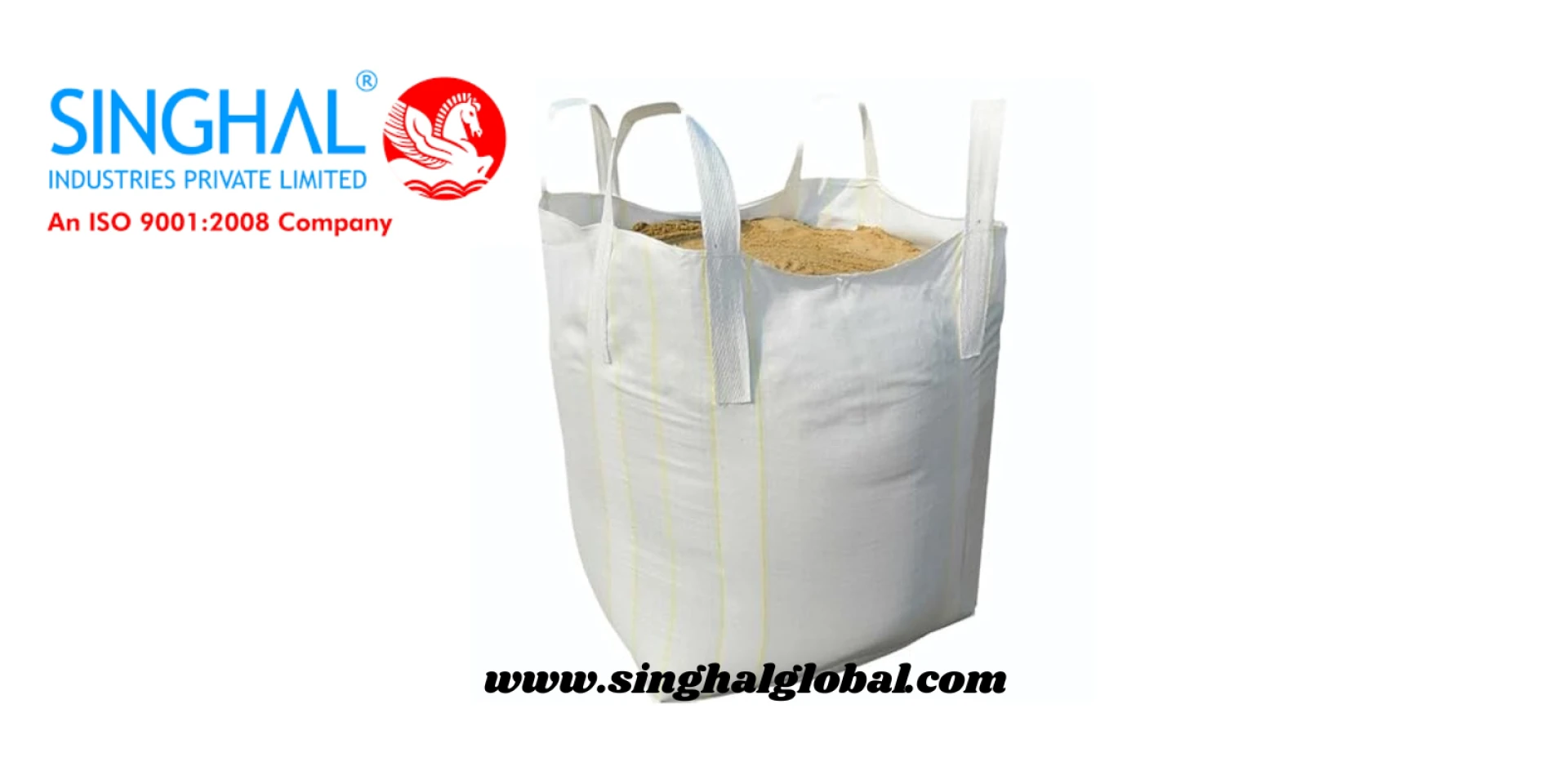
“FIBC” stands for Flexible Intermediate Bulk Container. That’s a mouthful, so most people just call them jumbo bags. These bags are usually cube-shaped, made from woven PP fabric, and built to hold 500 kg to 2000 kg of product.
You’ll often see them used in:
- Agriculture – Grains, seeds, and even vegetables.
- Construction – Cement, sand, gravel.
- Chemicals – Powders, resins, minerals.
- Recycling – Scraps, plastics, rubber.
- Food industry – Sugar, salt, starch, and more.
There are many designs—some have discharge spouts, others are open-top. Some bags are with baffles (so they hold shape better), and others are built with special anti-static or conductive layers for storing sensitive materials.
Why Industries Prefer PP Woven Jumbo Bags
The reason for their popularity is simple: these bags can take a beating and keep going. They’re often reused multiple times, saving businesses a ton on packaging costs. Plus, they’re easy to store when empty—they fold flat and don’t take up much space.
Some other big advantages:
- High strength-to-weight ratio
- They’re incredibly strong but don’t add much to the load weight.
- Customizable
- Sizes, colors, linings, loops, spouts—just about everything can be tailored.
- Stackable
- Their cubic shape makes stacking them on pallets or containers easier and safer.
- Water and UV-resistant options
- For outdoor storage, some come with UV protection and inner liners to keep moisture out.
- Cost-efficient
- Compared to rigid containers or drums, PP woven FIBC bags offer way more storage per dollar.
Why Polypropylene Still Win
You might ask—why not use cloth, paper, or metal containers instead?
Here’s the deal: polypropylene PP bags are just right for bulk use. They’re light enough to transport easily but durable enough to hold heavy products. They also resist mold, bacteria, and most chemicals.
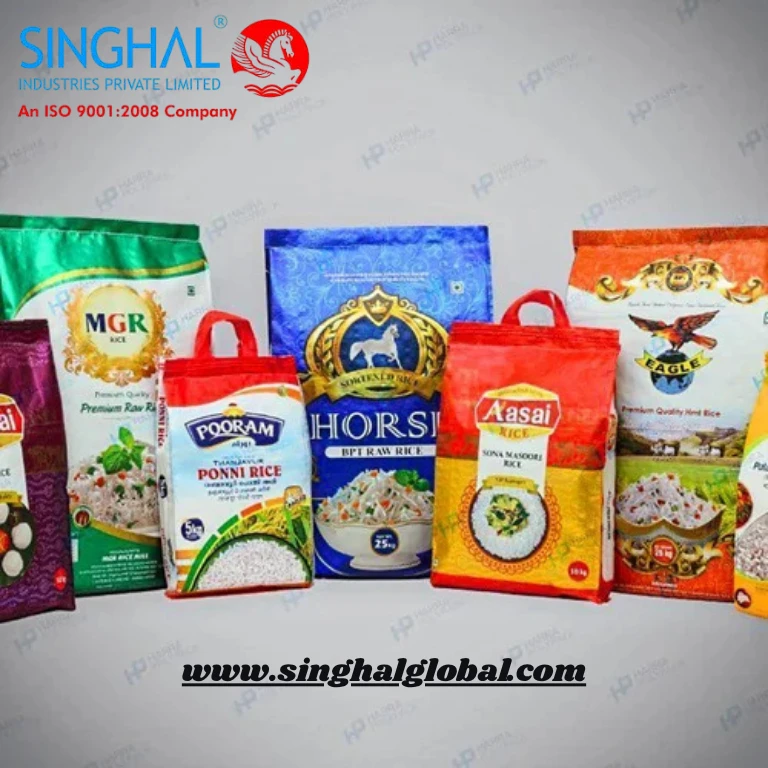
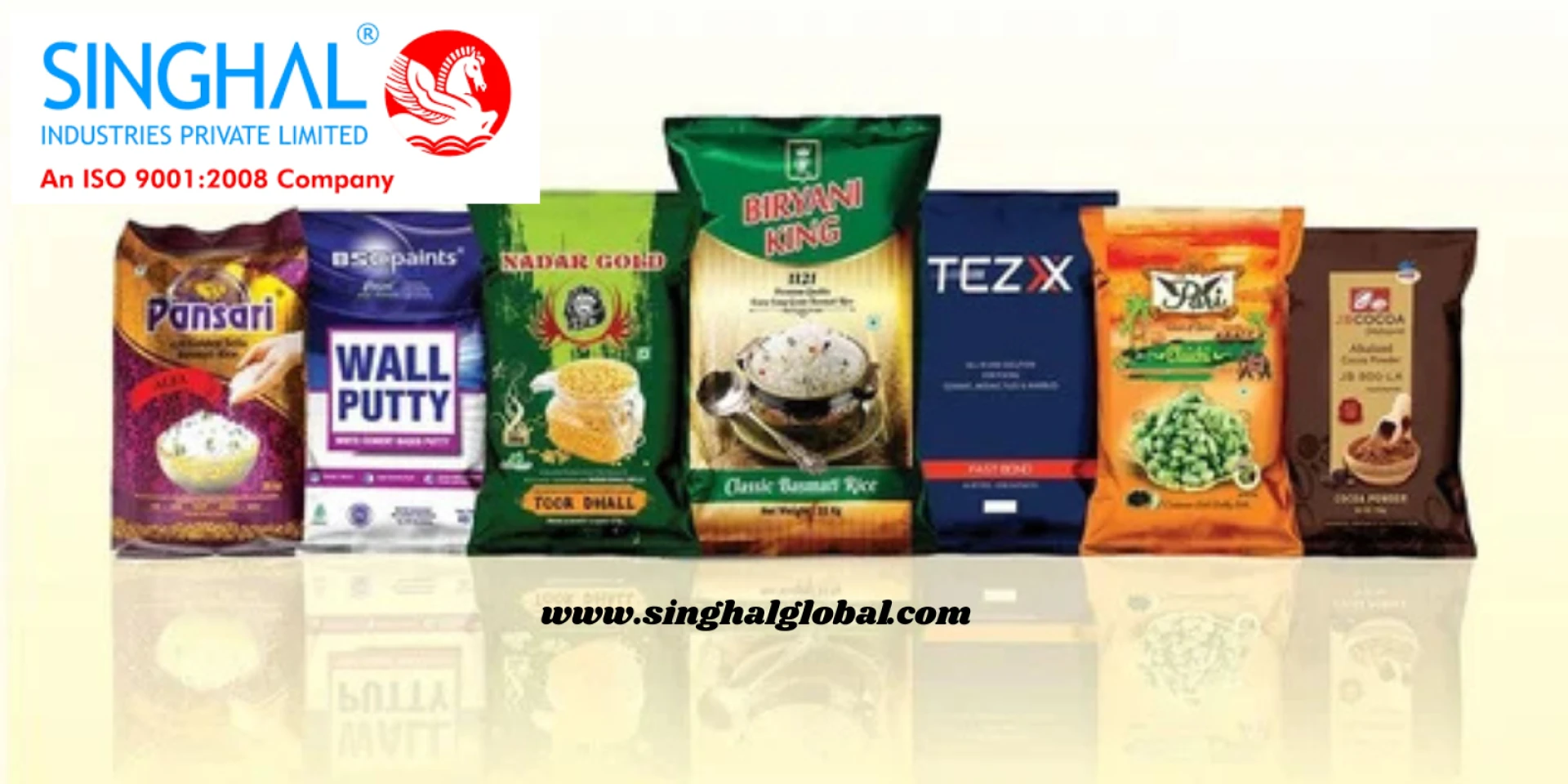
Also, in today’s world, where companies want branding on everything, PP woven fabric is easy to print on. Logos, safety instructions, handling symbols—you can print directly on the bag surface.
Sustainable and Reusable
Here’s something most people don’t know: PP woven jumbo bags are actually recyclable. In many industries, companies collect used bags, send them for cleaning and inspection, and reuse them multiple times. Some also get ground down and reprocessed into new bags or other plastic products.
So, while plastic often gets a bad name, polypropylene PP bags—especially when reused—can be part of a more sustainable packaging cycle.
Where Are These Bags Made?
India has become a key player in global PP bag manufacturing. Especially in regions like Gujarat and Maharashtra, you’ll find hundreds of manufacturers who’ve been producing and exporting PP woven FIBC bags for decades.
Whether you're running a fertilizer plant in Punjab or exporting chemicals from the Port of Mundra, sourcing your packaging from trusted Indian manufacturers often guarantees good pricing, consistent quality, and timely deliveries.
Choosing the Right Bag for Your Business
Not all PP woven jumbo bags are made equal. Before placing a bulk order, consider these points:
- Load capacity – Match the bag’s SWL (Safe Working Load) to your product weight.
- Bag design – U-panel, circular, baffle, or four-panel. Each has its pros.
- Liners – For powdered or moisture-sensitive materials, go with an inner liner.
- Loops – Two loops, four loops, cross-corner loops—based on how you plan to lift or stack.
- Printing – Add your logo or handling instructions if you’re shipping or selling.
Conclusion
Let’s not kid ourselves—these bags aren’t flashy. They won’t win design awards or make headlines. But they’re essential. From helping farmers store their harvests, to moving tons of minerals across countries, PP woven FIBC bags are quietly making the modern world run smoother.
If you’re in an industry that deals with bulk goods, switching to is a smart move PP woven bags price. They're strong, customizable, reusable, and designed to handle tough jobs without falling apart. And if you need something that can carry an actual ton, PP woven jumbo bags have got your back.
FAQ,S
Q1: How much weight can PP woven FIBC bags carry?
Most PP woven FIBC bags are rated for 500 kg to 2000 kg, depending on the design and fabric strength.
Q2: Are these bags reusable?
Yes. Many PP woven jumbo bags are made for multiple uses, especially when handled properly and cleaned between uses.
Q3: Can I print my company name or logo on polypropylene PP bags?
Definitely. Most manufacturers offer custom printing options for branding, safety info, or storage instructions.




























Sign in to leave a comment.