

The grocery industry is evolving rapidly as consumer behaviour shifts towards digital convenience. Shoppers now expect real-time inventory visibility, seamless online ordering, flexible delivery options, and secure digital payments. For supermarkets and independent grocery retailers, adapting to these expectations is no longer optional. Digital transformation has become essential for long-term competitiveness and operational efficiency.
However, traditional digital transformation projects often involve lengthy planning cycles, complex custom development, and significant financial investment. In contrast, pre-built grocery eCommerce websites are enabling retailers to modernise faster, with fewer risks and lower barriers to entry.
Faster Adoption of Digital Capabilities
One of the primary reasons pre-built solutions are accelerating digital transformation is speed. Developing a custom online grocery platform from scratch can take months, or even longer, depending on complexity. During that time, competitors may already be serving customers online.
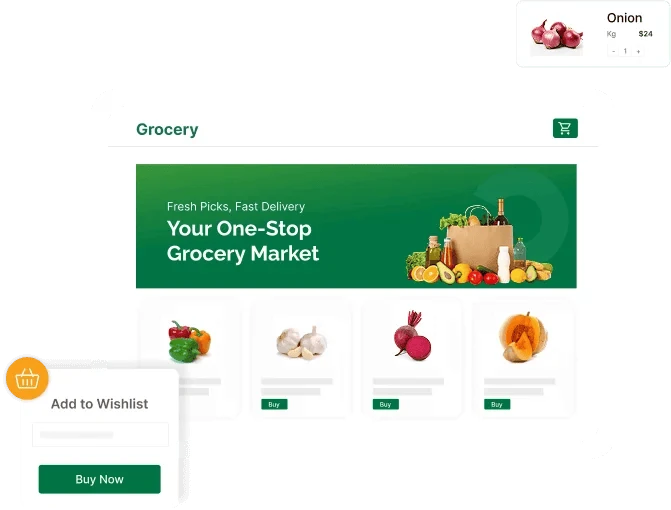
Pre-built grocery platforms come equipped with essential features such as product catalogues, payment gateway integration, order management systems, and delivery scheduling tools. Because these components are already developed and tested, retailers can deploy their digital stores far more quickly. This rapid implementation allows businesses to respond immediately to market demand rather than delaying transformation initiatives.
Lower Risk and Predictable Investment
Digital transformation can feel overwhelming for traditional grocery retailers. High development costs, technical uncertainties, and the risk of project delays often discourage investment.
Pre built grocery store software reduces these risks by offering proven frameworks tailored specifically to grocery operations. Instead of building complex systems from the ground up, retailers adopt a structured solution that has already been tested in real-world scenarios. This reduces unexpected technical issues and makes budgeting more predictable.
With clearer cost structures and shorter deployment timelines, grocery businesses can confidently plan their digital expansion without excessive financial strain.
Operational Efficiency and Automation
A major component of digital transformation is improving internal operations. Pre-built grocery eCommerce platforms typically integrate with inventory management systems, point-of-sale systems, and delivery management tools. This connectivity helps streamline processes such as stock updates, order processing, and fulfilment coordination.
Automation reduces manual workload and minimises human error. For example, real-time inventory synchronisation prevents customers from ordering out-of-stock products. Automated notifications keep customers informed about delivery timelines. These efficiencies enhance both operational control and customer satisfaction.
By embedding automation into daily operations, pre-built platforms contribute to sustainable digital transformation rather than temporary technological upgrades.
Scalability for Growing Businesses
Digital transformation is not just about going online; it is about building systems that support long-term growth. Pre-built grocery platforms are often designed with scalability in mind. They can accommodate expanding product catalogues, increasing customer traffic, and multi-location management.
Retailers can start with a single store and gradually expand to multiple branches without rebuilding their digital infrastructure. This flexibility ensures that digital transformation evolves alongside business growth, rather than becoming a limiting factor.
Enhanced Customer Experience
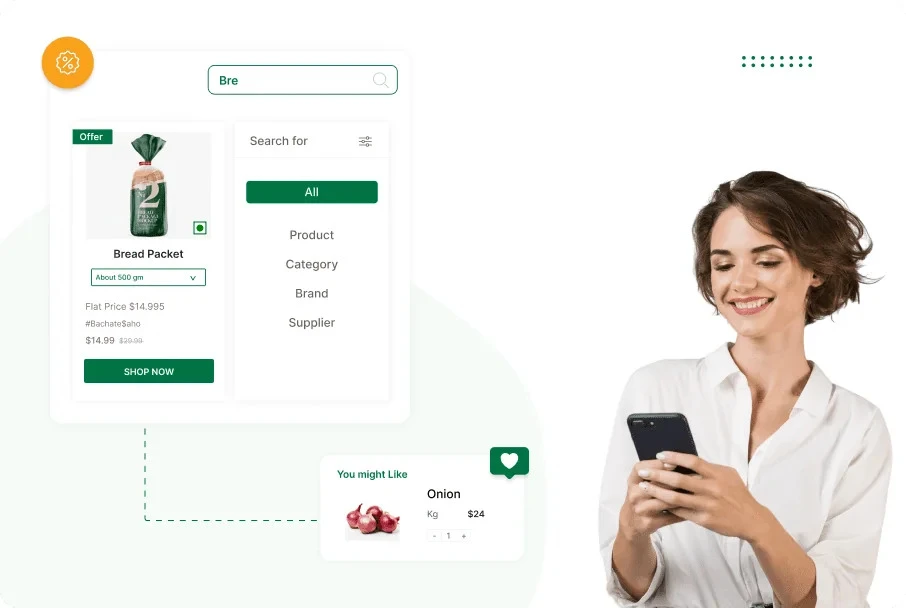
Customer experience is at the core of digital transformation. Modern shoppers expect intuitive navigation, quick search functionality, personalised offers, and secure checkout processes.
A readymade website for grocery store operations typically includes user-friendly design templates and structured workflows that optimise the shopping journey. Features such as saved shopping lists, repeat order options, and promotional banners enhance convenience. When customers experience frictionless transactions, loyalty increases.
By delivering consistent and seamless digital experiences, pre-built grocery platforms help retailers strengthen customer relationships in competitive markets.
Data-Driven Decision Making
Digital transformation also involves leveraging data for smarter decisions. Pre-built eCommerce systems often include built-in analytics dashboards that track customer behaviour, sales trends, and inventory performance.
These insights allow grocery retailers to:
- Identify high-demand products
- Optimise pricing strategies
- Forecast seasonal demand
- Improve marketing campaigns
Access to actionable data empowers retailers to move beyond intuition and make evidence-based decisions. This strategic advantage supports continuous improvement and long-term resilience.
Supporting Omnichannel Strategies
Modern grocery retailers operate across multiple channels, including in-store shopping, online ordering, and click-and-collect services. Pre-built eCommerce platforms can integrate these channels into a unified system.
Customers can browse online and choose home delivery or in-store pickup. Retailers maintain consistent pricing and inventory visibility across platforms. This omnichannel capability enhances flexibility while reinforcing brand consistency.
By connecting physical and digital operations, pre-built solutions enable a more cohesive transformation strategy.
Conclusion
Pre-built grocery eCommerce websites are playing a critical role in accelerating digital transformation within the grocery sector. By reducing development time, lowering risk, improving operational efficiency, and enhancing customer experience, they provide a practical pathway for retailers to modernise their businesses.
In an increasingly digital marketplace, adopting structured and scalable eCommerce solutions allows grocery retailers to remain competitive while building a strong foundation for future growth




























Sign in to leave a comment.