Addiction is a deeply personal struggle, yet it is also a widespread issue that affects families, workplaces, and entire communities. Overcoming it is not simply about stopping a habit—it’s about rebuilding a life. This is why professional guidance combined with strong community support plays such a critical role in achieving long-term recovery. Organizations like the NCADD San Fernando Valley are dedicated to helping individuals find a sustainable path forward through structured programs and compassionate care.
Understanding the Need for Structured Support
Many people believe that recovery can be achieved through sheer willpower. While determination is important, addiction often has underlying emotional, psychological, and social causes that require professional attention. Without proper support, individuals may struggle with relapse or feel overwhelmed by triggers in their environment.
Structured programs provide a roadmap for recovery. These include counseling, behavioral therapies, and skill-building sessions that help individuals understand their patterns and develop healthier coping mechanisms. Having a clear plan and expert guidance significantly improves the chances of long-term success.
The Role of Outpatient Programs in Modern Recovery
One of the most effective and flexible treatment options available today is outpatient care. This approach allows individuals to receive treatment while continuing to manage their daily responsibilities such as work, education, and family commitments.
Outpatient programs typically include one-on-one counseling, group therapy, and educational sessions focused on relapse prevention. These programs are designed to integrate recovery into everyday life, making it easier for individuals to apply what they learn in real-world situations. This balance helps build confidence and independence over time.
Community Support: A Powerful Influence
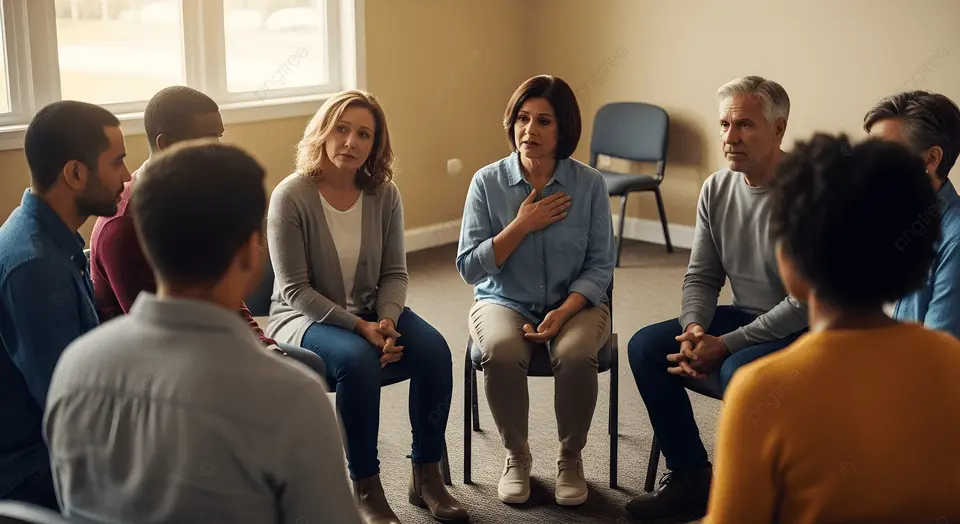
Recovery is rarely successful in isolation. Being part of a supportive community can make a significant difference in maintaining motivation and accountability. Group therapy sessions and peer support networks allow individuals to share their experiences, learn from others, and feel less alone in their journey.
Community-based organizations create safe spaces where people can connect, heal, and grow together. These environments foster encouragement and understanding, which are essential for rebuilding self-esteem and maintaining progress.
Prevention and Education for a Healthier Future
While treatment is essential, prevention is equally important. Education programs help individuals understand the risks associated with substance use and equip them with the knowledge to make informed decisions.
By working with schools, families, and local communities, organizations promote awareness and early intervention. Teaching young people about healthy coping strategies and decision-making skills can significantly reduce the likelihood of future addiction issues.
The Importance of Family Involvement
Addiction doesn’t only affect the individual—it impacts loved ones as well. Family members often experience emotional stress, confusion, and frustration. Including them in the recovery process can strengthen relationships and create a more supportive home environment.
Family counseling sessions help improve communication, rebuild trust, and provide guidance on how to support a loved one without enabling harmful behaviors. When families heal together, the chances of sustained recovery improve greatly.
Accessible Care Makes Recovery Possible
One of the biggest challenges many individuals face is accessing affordable treatment. Community-focused organizations aim to remove this barrier by offering cost-effective programs and flexible options. Making care accessible ensures that more people can take the first step toward recovery without hesitation.
Taking the First Step Toward Change
Recovery is a journey that requires courage, commitment, and support. The first step—seeking help—can often be the hardest, but it is also the most important. With the right resources, professional guidance, and a strong support system, lasting change is possible.
In the end, recovery is not just about overcoming addiction; it’s about rediscovering purpose, rebuilding relationships, and creating a healthier, more meaningful life. With the help of organizations like NCADD San Fernando Valley, individuals can find hope, healing, and a path toward a brighter future.



























Sign in to leave a comment.