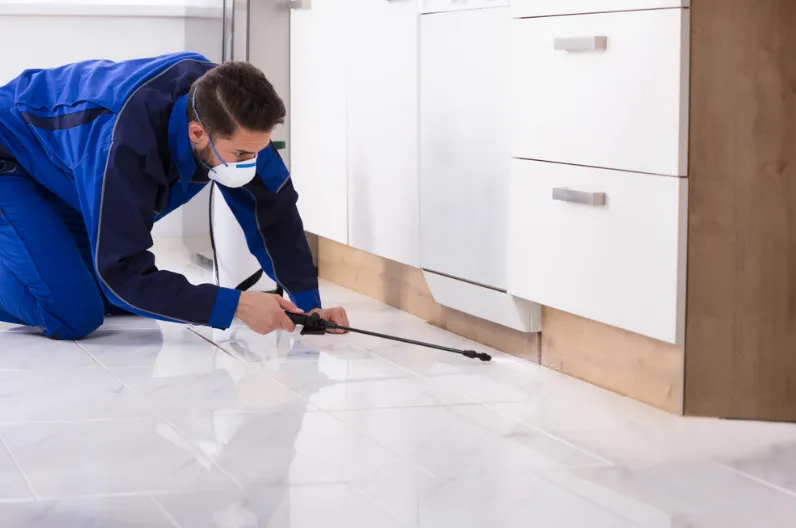

Pests can enter a home quietly, but they rarely stay unnoticed for long. Cockroaches in the kitchen, ants around food, termites damaging wooden structures, or rodents moving around at night can quickly become more than a minor inconvenience. While some homeowners try to handle pest problems with store-bought sprays and DIY solutions, professional home pest control services can provide a more thorough and practical approach.
Professional pest control is not simply about eliminating the pests you can see. It is also about identifying where they are coming from, addressing the underlying infestation, and taking steps to reduce the chances of the problem returning.
1. Professionals Can Identify the Source of the Problem
Seeing a few ants or cockroaches does not always mean that only a few pests are present. Many pests hide in areas that are difficult to access, including wall gaps, drains, crawl spaces, attics, basements, and behind appliances.
A professional pest control technician can inspect the property to identify potential nesting areas, entry points, food sources, moisture problems, and other conditions that may be attracting pests.
Finding the source is important because treating only the visible pests may provide temporary relief without addressing the actual infestation.
2. Pest Infestations Can Become Difficult to Manage
Many household pests reproduce quickly. A small problem can therefore become a larger infestation if it is ignored.
Cockroaches, ants, rodents, bed bugs, termites, and other pests can spread through different areas of a property. Once an infestation becomes established, eliminating it can require more time and repeated treatment.
Professional pest control services can help homeowners address pest problems before they become more difficult and expensive to manage.
3. Professional Treatment Can Be More Targeted
Different pests require different treatment methods. A solution that works for ants may not be appropriate for termites, rodents, or bed bugs.
Professional technicians can determine which pest is present and select a treatment approach based on the type and severity of the infestation. Targeted treatment can be more effective than using the same household product for every pest problem.
It is also important to follow product labels and professional instructions when pesticides are used. Incorrect application can create unnecessary risks for people, pets, and the environment.
4. Pest Control Helps Protect Your Property
Some pests can cause physical damage to a home. Termites, for example, can damage wooden components over time. Rodents may chew on insulation, wiring, and other materials, while certain insects can affect furniture, fabrics, and stored products.
Regular inspections and appropriate pest management can help identify these problems earlier and reduce the potential for extensive property damage.
For homeowners, prevention can be particularly valuable because repairing pest-related damage may cost considerably more than addressing an infestation at an early stage.
5. It Can Help Maintain a Cleaner Home Environment
Pests are often associated with areas where they can find food, water, shelter, or favorable conditions. Cockroaches and rodents, in particular, can contaminate surfaces and food through contact with their bodies, droppings, or other materials.
Professional pest management, combined with good household hygiene, food storage, waste management, and moisture control, can help create an environment that is less attractive to pests.
Pest control should therefore be viewed as one part of maintaining a clean and well-maintained home.
6. Professional Services Can Save Time
Trying to manage a recurring pest problem yourself can involve purchasing different products, repeatedly treating affected areas, and spending time searching for the source of the infestation.
Professional services can simplify the process by providing inspection, treatment, and follow-up recommendations as part of a structured approach.
This can be particularly useful when homeowners are dealing with persistent or difficult-to-identify infestations.
7. Preventive Pest Control Can Reduce Future Problems
Professional pest control does not always have to begin after a major infestation develops. Preventive pest management can also be useful, particularly for properties that have a history of recurring pest problems.
Technicians may identify potential entry points, moisture issues, cracks, gaps, or other conditions that could encourage pest activity. Homeowners can then take corrective steps to make the property less appealing to pests.
Simple measures such as sealing cracks, repairing leaks, keeping food in sealed containers, cleaning spills quickly, and maintaining outdoor areas can complement professional pest control.
8. Some Pest Problems Require Specialized Knowledge
Certain infestations can be particularly challenging to handle without proper knowledge. Termites, bed bugs, rodents, and some stinging insects may require specific inspection and treatment methods.
Misidentifying a pest can also lead to ineffective treatment. For example, treating signs of termites without determining the extent of the activity may not address the underlying problem.
A trained professional can help identify the pest and determine an appropriate course of action.
9. Professional Pest Control Can Provide Long-Term Solutions
One of the biggest advantages of professional pest control is the focus on more than immediate elimination.
A good pest management approach considers why pests are entering the property in the first place. This can include structural gaps, standing water, food sources, clutter, poor sanitation, vegetation close to the house, or other environmental conditions.
Addressing these contributing factors can help reduce recurring pest activity.
10. When Should You Consider Professional Pest Control?
You may want to contact a professional pest control service if you notice:
- Repeated sightings of cockroaches, ants, rodents, or other pests
- Droppings, nests, or unusual pest-related odors
- Damage to wood, furniture, wiring, or stored items
- Termite mud tubes or other signs of termite activity
- Bed bug signs around mattresses or furniture
- Pest activity returning after DIY treatment
- Pests appearing in multiple areas of the home
- Difficulty identifying where the infestation is coming from
Getting professional advice early can help determine whether you need treatment, monitoring, or simply preventive measures.
Conclusion
Professional home pest control services can play an important role in protecting a property from unwanted pests. Beyond eliminating visible insects or rodents, professional pest management can help identify the source of an infestation, protect parts of the property from potential damage, and reduce the likelihood of recurring problems.
However, professional treatment works best when combined with everyday prevention. Keeping the home clean, storing food properly, fixing leaks, removing standing water, sealing possible entry points, and maintaining outdoor areas can all help reduce pest activity.
If you are experiencing a persistent pest problem or are unsure about the right treatment, consulting a qualified pest control professional can help you understand.





























Sign in to leave a comment.