
Introduction:
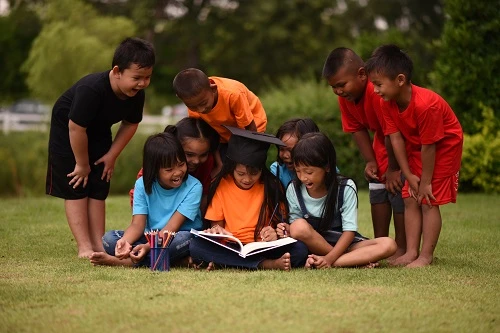
The idea of sustainable development has drawn a lot of attention in today's globe, which is continually expanding. To provide inclusive and high-quality education for all people, Sustainable Development Goal SDG 4 encourages possibilities for lifelong learning. Additionally, Social and Emotional Learning (SEL) has become recognized as a crucial aspect of education that supports people's overall growth. This blog examines how SDG 4 and SEL interact, emphasizing the critical part that high-quality education plays in achieving sustainable development.
Giving people the information and skills they need:
The foundation for sustainable growth is laid by high-quality education, which equips individuals with the information and abilities they require. Along with basic literacy and numeracy, it emphasizes creativity, critical thinking, and problem-solving. People gain the capacity to comprehend complex global concerns and contribute to their solutions via great education. No one should be left behind in the pursuit of inclusive, egalitarian, and high-quality education, according to SDG 4.
Building a sustainable workforce:
Creating a trained and qualified workforce that can drive sustainable growth is made possible in large part by education. Education allows people to adapt to shifting economic and technical environments by supplying pertinent and current information. A great education also encourages transferable skills like flexibility, teamwork, and communication, preparing students for a range of professional settings. A highly educated workforce is essential for innovation, productivity, and long-term economic success.
Promoting informed and responsible citizens:
Participation in informed and active action is essential for sustainable development. People who receive a high-quality education become more aware of their rights, obligations, and the wider world. It encourages social cohesiveness and peaceful cooperation by cultivating principles like empathy, respect, and tolerance. Integrating SEL into the classroom fosters emotional intelligence, empathy, and ethical decision-making, which helps students become responsible citizens of the world.
Taking on social issues:
Education catalyzes taking on important societal issues that impede sustainable development. It is essential in the fight against injustice, prejudice, and poverty. SDG 4 aspires to end the cycle of poverty and enable people to improve their lives through educating marginalized and vulnerable populations. In addition to improving health outcomes, education also advances gender equality and environmental awareness, empowering people to make wise decisions and contribute to a sustainable future.
Promoting lifelong learning:
To achieve sustainable development, SDG 4 emphasizes the significance of lifelong learning. Education is a continuous process of learning information, skills, and attitudes rather than being restricted to formal schooling. Continual personal and professional development, flexibility, and resilience are all boosted through lifelong learning. It helps people to accept new possibilities, stay up with technology changes, and make contributions to society throughout their lives.
Conclusion:
According to SDG 4, the foundation of sustainable development is high-quality education. It develops responsible citizenship, encourages social and economic advancement, and arms people with the information, abilities, and values necessary to address global concerns. By encouraging emotional intelligence and fostering holistic development, the incorporation of SEL strengthens the transformational power of education even more.

























Sign in to leave a comment.