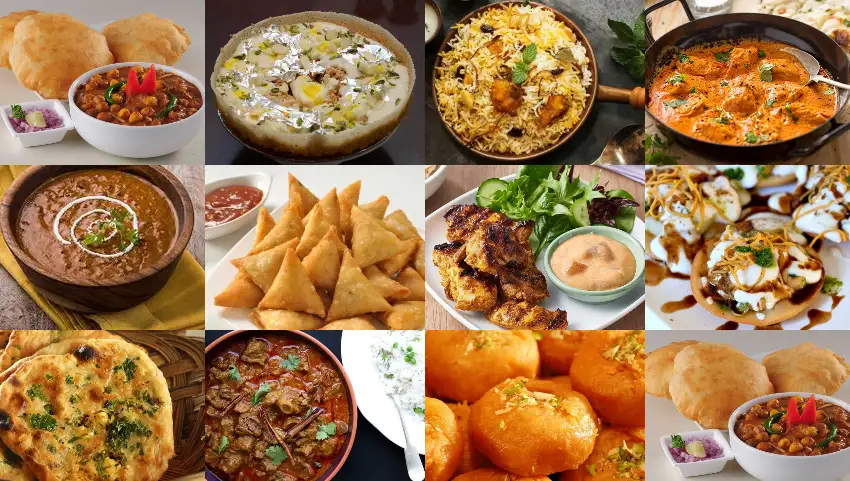
Rajasthan is more than a destination; it’s a sensory journey through colors, culture, and cuisine. From royal kitchens to rustic village thalis, every dish tells a story steeped in tradition and hospitality. When travelers embark on an india food tour, they often discover that Rajasthani cuisine is not just about flavors—it’s an experience that reflects the region’s rich history, resilience, and royal legacy.
The Heritage of Flavor: How Rajasthan’s Climate Shaped Its Cuisine
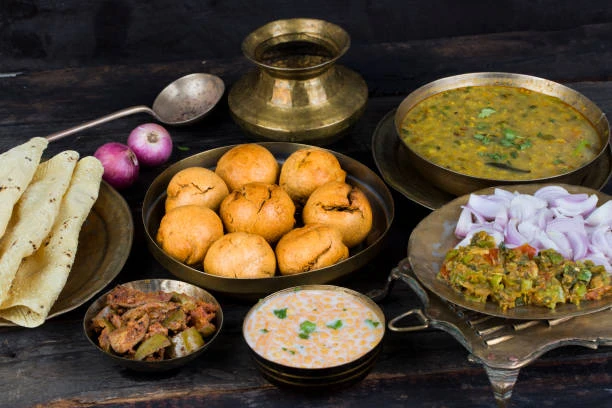
Rajasthan’s arid landscape and extreme climate have deeply influenced its food traditions. Ingredients are chosen for their ability to last long without refrigeration, leading to creative dishes that are both flavorful and practical. Dried lentils, gram flour, buttermilk, and ghee form the base of many iconic recipes. The absence of fresh greens in desert regions gave rise to delicacies like Ker Sangri, Gatte ki Sabzi, and Papad ki Sabzi, which perfectly represent the ingenuity of local cooks.
The cuisine’s distinctive spice profile—dominated by red chilies, cumin, coriander, and asafoetida—adds depth and aroma, transforming simple ingredients into bold and memorable dishes. Each bite speaks of the people’s ability to craft abundance out of scarcity, turning daily meals into an art form.
Royal Kitchens and Their Legacy
Rajasthan’s royal heritage is beautifully mirrored in its cuisine. Palaces once competed to create the most exquisite dishes, blending Mughal, Rajput, and Marwari influences into elaborate feasts. Dishes like Laal Maas (spicy red meat curry), Safed Maas (mild white curry), and Jungli Maas (a simple yet flavorful hunter’s dish) originated in royal kitchens, where chefs, known as Khansamas, guarded their recipes with pride.
These royal traditions live on through families, heritage hotels, and modern culinary experiences. When visitors join experiences such as a jaipur food walk tour, they don’t just taste food—they taste history. Each street corner, each stall has a connection to the royal or folk roots of Rajasthani flavors.
Street Food: The Soul of Rajasthan
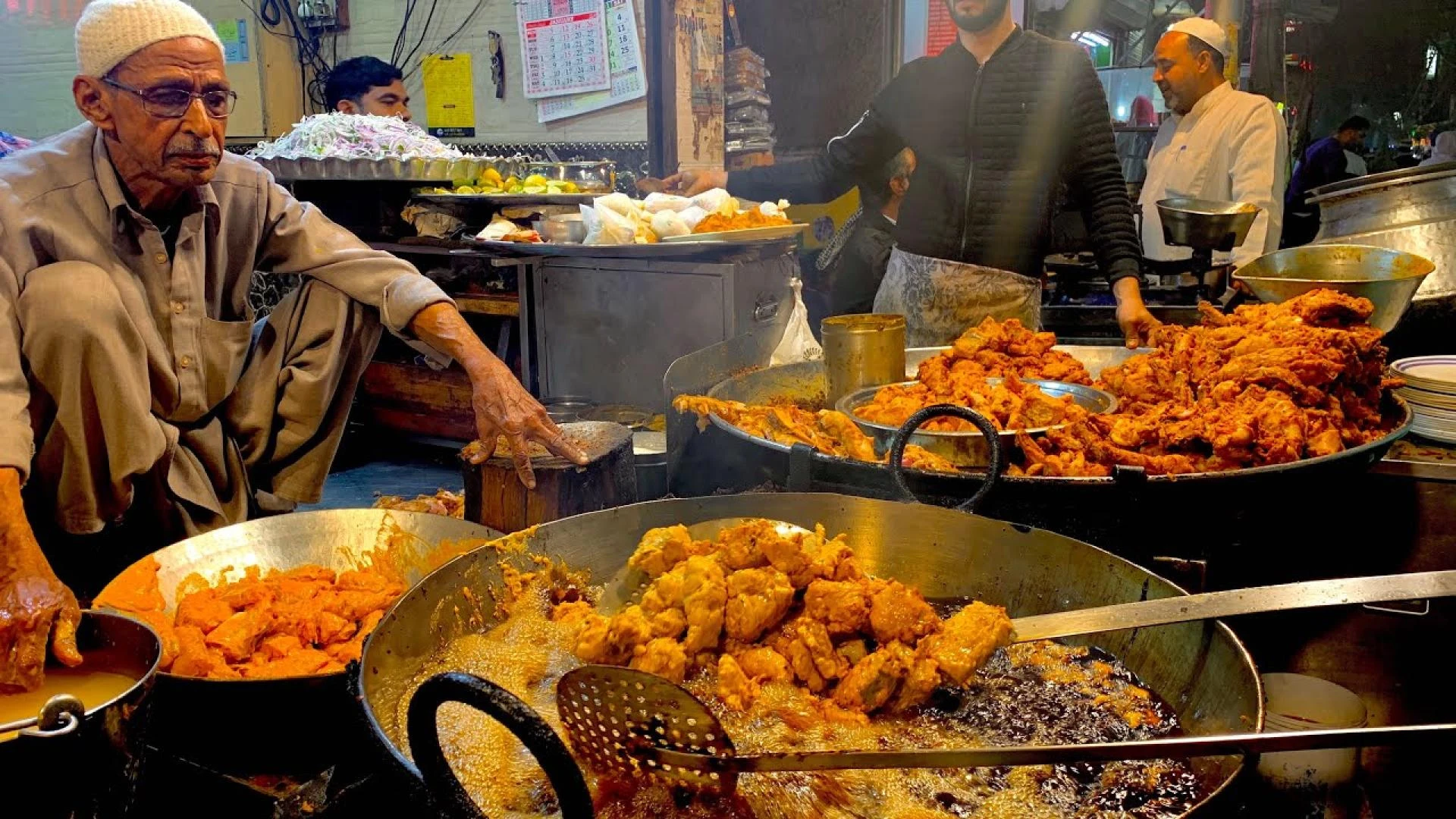
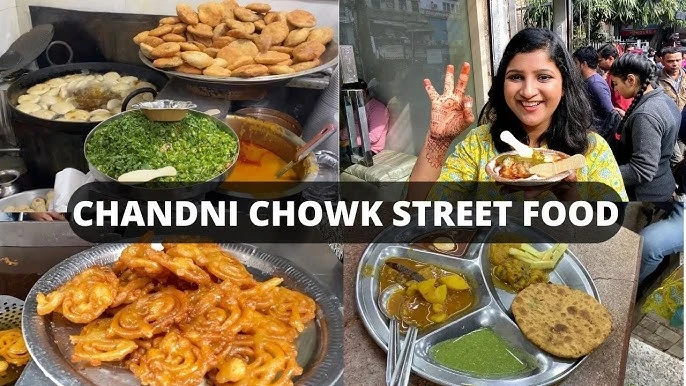
While royal dishes offer grandeur, Rajasthan’s street food provides authenticity and charm. From Pyaaz Kachori in Jaipur to Mirchi Bada in Jodhpur and Malpua in Pushkar, the street food scene captures the state’s culinary diversity. Vendors often follow recipes that have been passed down through generations, ensuring every bite maintains a sense of tradition and care.
The use of local ingredients such as gram flour, lentils, and clarified butter makes these dishes hearty and fulfilling. Each city has its signature flavor, creating an ever-changing food landscape. Exploring local bazaars and food lanes offers travelers an opportunity to connect directly with Rajasthani culture—where food is an expression of love and community.
The Art of Rajasthani Hospitality
In Rajasthan, hospitality is not just an act—it’s a philosophy. The phrase “Padharo Mhare Desh” (Welcome to my land) embodies the warmth that guests experience across the state. Food is central to this hospitality. Whether served in royal banquets or humble village homes, meals are offered with sincerity and joy.
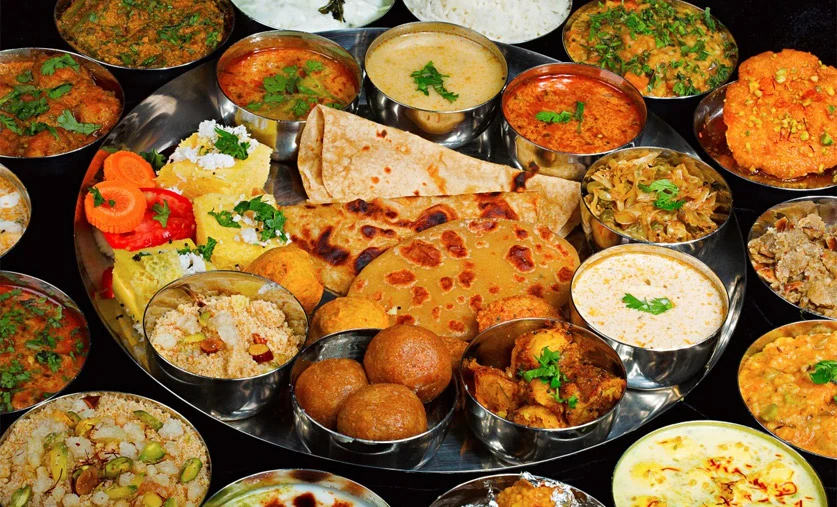
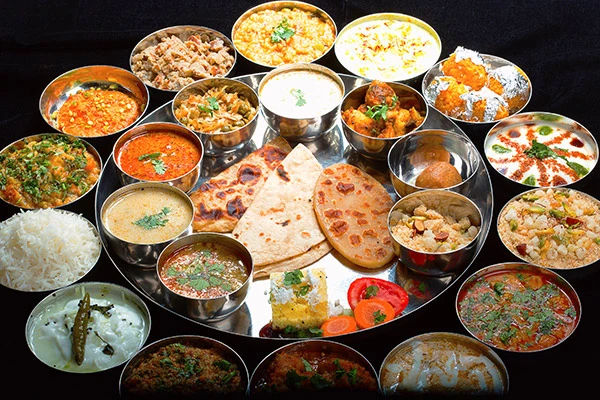
Traditional thalis—featuring multiple small servings of curries, breads, and sweets—symbolize abundance and generosity. Each component is thoughtfully prepared to create a balanced culinary experience that delights both the palate and the spirit. This cultural emphasis on sharing food makes Rajasthani cuisine a heartwarming experience for travelers.
Exploring Rajasthani Cuisine Through Culinary Tours
Food tourism in Rajasthan has grown immensely as travelers seek immersive cultural experiences. Culinary tours combine sightseeing with gastronomy, allowing visitors to learn the history, ingredients, and techniques behind each dish. By joining a jodhpur food walk tour, for instance, travelers explore hidden food gems—from spicy snacks to royal sweets—while interacting with local artisans and cooks who preserve age-old recipes.
These experiences foster appreciation for authenticity and craftsmanship. They go beyond mere tasting; they connect travelers with the human stories behind the food. Watching a vendor prepare Makhaniya Lassi or Sev Tamatar Sabzi gives travelers insight into how everyday life in Rajasthan revolves around food and community.
Signature Dishes You Can’t Miss
- Dal Baati Churma: A timeless trio combining lentils, baked wheat balls, and crushed sweetened crumbs. It’s both hearty and comforting.
- Gatte ki Sabzi: Made from gram flour dumplings simmered in yogurt-based curry, showcasing the region’s inventive vegetarian tradition.
- Ker Sangri: A desert delicacy of dried berries and beans cooked with spices—a true symbol of Rajasthan’s resourceful cooking.
- Laal Maas: Fiery mutton curry that embodies the bold flavors of Rajput warriors’ kitchens.
- Mohan Maas: A mild royal dish with tender meat cooked in milk and cream, representing culinary finesse.
- Ghevar: A delicate sweet soaked in sugar syrup, often enjoyed during festivals like Teej and Raksha Bandhan.
Each dish reflects the balance between flavor, texture, and heritage—proof that Rajasthani cuisine is more than sustenance; it’s storytelling on a plate.
Why Rajasthani Cuisine Creates Lasting Memories
What makes Rajasthani cuisine unforgettable is the way it engages all senses. The vibrant colors of saffron, the aroma of roasting spices, and the rhythmic sounds of sizzling ghee transport diners into a world where tradition meets artistry. The dishes embody endurance, innovation, and love—values deeply embedded in Rajasthan’s cultural fabric.
Moreover, every meal tells a story—of deserts and palaces, of warriors and farmers, of mothers passing recipes to daughters. Whether one is savoring street snacks or royal curries, the experience leaves a lasting emotional imprint.
For travelers seeking authenticity and connection, Rajasthani cuisine offers both. It’s not just food; it’s a journey through time, culture, and flavor—an experience that lingers long after the meal is over.



























Sign in to leave a comment.