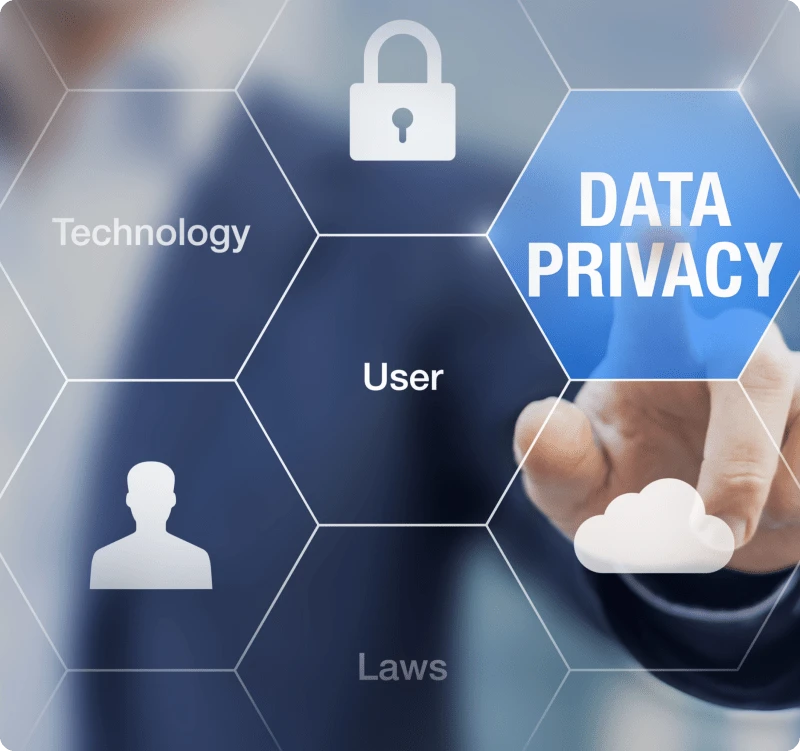

As data privacy becomes a global concern, businesses of all sizes are under immense pressure to safeguard the sensitive information they handle. Whether it's customer data, internal records, or legal documents, any oversight in handling confidential information can lead to serious consequences—ranging from legal penalties to loss of reputation. That’s where redaction and anonymisation come into play.
Understanding Redaction: More Than Just Black Boxes
When most people think of redaction, they picture blacked-out sections in documents. But redaction today is far more advanced. It’s a precise process of identifying and removing sensitive data elements before documents are shared or published. This can include names, Social Security numbers, addresses, financial details, and even metadata.
For organizations handling large volumes of sensitive documents, using manual methods can be time-consuming and error-prone. This is why many turn to professional solutions offering the best redaction services, combining automated tools with human oversight for accuracy.
The Power of Anonymisation in Data Analysis
Anonymisation refers to the process of stripping personal identifiers from datasets, ensuring that individuals cannot be identified, either directly or indirectly. This method is particularly valuable for businesses involved in research, machine learning, or any data-driven strategy that doesn’t require personal identities.
By using anonymisation services, organizations can unlock insights from data while remaining compliant with privacy regulations like GDPR or HIPAA. This allows companies to innovate, analyze trends, and optimize services without putting individuals’ privacy at risk.
Legal and Regulatory Requirements You Can’t Ignore
In many industries, redaction and anonymisation aren't just good practices—they are legal requirements. Data privacy laws around the world demand strict handling of personal and sensitive information. From financial firms to healthcare providers and tech startups, everyone is expected to implement appropriate data protection measures.
Failure to redact or anonymize data properly can lead to hefty fines and legal actions. More importantly, it can erode customer trust, which is hard to rebuild once lost.
Use Cases Across Industries
Redaction and anonymisation are used in a variety of sectors:
- Legal: To protect client confidentiality in case files and court documents.
- Healthcare: To anonymize patient data for research and reports.
- Finance: To redact account numbers and transaction details from statements.
- Education: To anonymize student data for compliance and analysis.
Each of these fields relies on tailored solutions to meet their unique data protection needs.
Choosing the Right Partner for Redaction and Anonymisation
Not all service providers are created equal. When searching for a vendor, it’s essential to evaluate their technology, compliance knowledge, and track record. A good provider should offer secure platforms, support multiple file types, and provide both automated and manual options.
Using the best document redaction services helps ensure that your files are processed with precision and care. Whether it’s for court filings, employee records, or medical documentation, accuracy and security are non-negotiable.
Benefits That Go Beyond Compliance
While the main goal of redaction and anonymisation is to stay compliant and secure, there are additional advantages:
- Improved Data Management: Cleaner data means better organization and easier access.
- Enhanced Trust: Clients and stakeholders are more likely to do business with companies that prioritize data privacy.
- Reduced Risk: Preventing data leaks saves time, money, and reputational damage.
These processes contribute to a more resilient and responsible business environment.
Final Thoughts
In a world where data is the new currency, protecting it must be a top priority. Redaction and anonymisation provide effective methods to ensure that sensitive information doesn’t fall into the wrong hands.
By adopting modern solutions and working with experts in the field, businesses can build a strong data privacy framework. Whether you’re redacting legal documents or anonymizing user behavior data, now is the time to act—before a breach forces you to.





























Sign in to leave a comment.