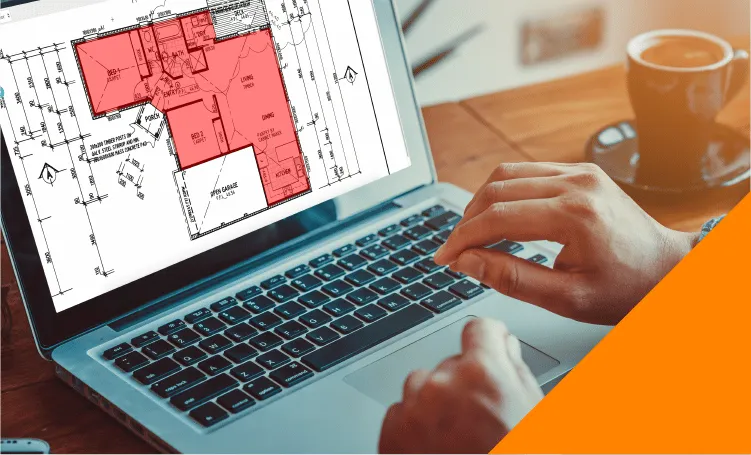

In construction, numbers drive nearly every decision. From the moment a project is conceived, questions about cost, material quantity, and labor requirements shape the entire plan. Many teams try to answer these questions internally, using past experience or rough calculations to keep things moving quickly. While this approach may feel efficient in the short term, it often creates far bigger problems down the road. Relying on trained professionals to handle these calculations consistently produces better outcomes than depending on estimates pieced together informally.
The Appeal and the Risk of Rough Calculations
Rough calculations are tempting because they are fast and require little upfront investment. A project manager might look at a previous build of similar size and assume costs will land in a comparable range. While this method can offer a general sense of scale, it rarely reflects the specific conditions of a new project. Site access, material availability, labor market shifts, and design variations all influence costs in ways that generic comparisons cannot capture.
The risk with this approach is that small inaccuracies compound quickly. A rough estimate that is off by even a modest percentage can translate into significant financial exposure once applied across an entire project. What starts as a convenient shortcut often turns into a costly miscalculation once construction is already underway and changes become far more expensive to make.
Why Expertise Changes the Outcome
Professionals who specialize in project calculations bring more than just numerical accuracy. They bring context. They understand how material prices fluctuate across regions, how labor availability affects timelines, and how seemingly minor design details can significantly influence overall cost. This contextual knowledge is difficult to replicate through informal estimation, no matter how experienced an internal team may be.
Working with cost estimating services allows project teams to base decisions on data rather than assumptions. These services analyze detailed plans and produce comprehensive breakdowns covering materials, labor, equipment, and often contingency planning as well. Instead of relying on a single rough number, teams gain a structured financial picture that reflects the actual scope of the project, giving stakeholders far greater confidence when moving forward.
The Cost of Getting It Wrong
It is worth considering what happens when rough calculations turn out to be inaccurate. Underestimating costs can lead to funding shortfalls midway through a project, forcing teams to pause work while additional financing is secured. Overestimating costs can make a project appear financially unviable, potentially causing it to be abandoned or delayed unnecessarily. Either outcome creates disruption, wasted time, and strained relationships between owners, contractors, and lenders.
These consequences highlight why accuracy matters so much at the earliest stages of planning. A project built on unreliable numbers is essentially built on an unstable foundation, no matter how strong the physical construction itself might be. Financial stability and structural stability go hand in hand, and one cannot fully succeed without the other.
How Professional Estimating Services Add Long Term Value
Beyond producing accurate numbers, professional estimating services often help project teams avoid mistakes before they happen. Experienced estimators frequently catch design inconsistencies, missing scope items, or unrealistic timelines during the review process, issues that might otherwise go unnoticed until construction is already underway. Catching these problems early saves both time and money, since corrections made on paper are far cheaper than corrections made mid build.
This proactive value is one of the biggest advantages of working with trained professionals rather than relying on internal guesswork. Rough calculations tend to focus narrowly on cost totals, while experienced estimators look at the project holistically, considering how different elements interact and where risks are most likely to emerge.
Building Trust Through Reliable Numbers
Accurate estimating does not just benefit the internal project team, it also strengthens relationships with outside stakeholders. Lenders are far more willing to approve financing when cost projections are backed by professional analysis rather than internal assumptions. Property owners feel more confident moving forward when they understand exactly where their money is going. Contractors can plan procurement and labor scheduling with far greater precision when working from dependable numbers.
This trust becomes especially valuable on larger or more complex projects, where financial mistakes carry heavier consequences. When every stakeholder can rely on the same accurate data, communication improves, decision making becomes faster, and the overall project experience becomes noticeably smoother.
Making the Shift From Guesswork to Precision
Choosing to work with professionals rather than relying on rough calculations is not about distrust in internal teams. It is about recognizing that specialized expertise consistently produces more reliable outcomes, particularly in an industry where financial precision has such a direct impact on project success. Teams that make this shift often find that the upfront investment in professional support pays for itself many times over by avoiding costly errors later in the process.
Final Thoughts
Rough calculations may offer a quick starting point, but they rarely hold up against the complexity of real construction projects. Relying on trained experts to handle cost projections leads to more accurate budgets, fewer surprises, and stronger trust among everyone involved. In an industry where financial precision often determines project success, choosing expertise over guesswork is one of the smartest decisions a project team can make.

























Sign in to leave a comment.